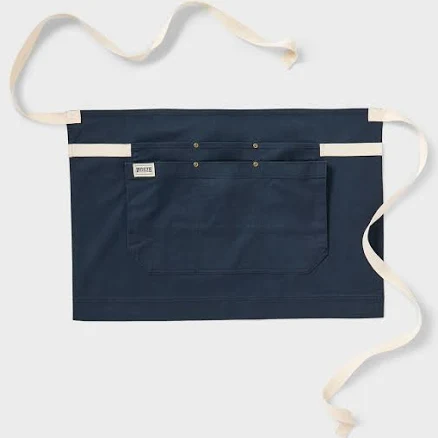
Duluth Trading Company Makers Waist Apron
Lower-risk utility apron; standard canvas, no waterproofing or stain treatments.
Duluth Trading's waist apron is cotton canvas without disclosed water-repellent or stain-resistant finishes that would introduce PFAS. The brand provides no PFAS claims.
Still want this one anyway? Check the price on Amazon. We’d swap it.
Material
cotton canvas with standard stitching
Lab data
No public lab test
You may also be interested in
Top-graded picks in the categories readers replace first, every one scored on the same rubric.

- polypropylene filter housing, carbon/sediment cartridge
- We found no PFAS statement from the brand
- Bacterial growth in spent cartridges
3 hazards checked on this product, all on its full breakdown.

Aquasure
Premier Series 75 GPD Under Sink Reverse Osmosis Water Filtration System
- RO membrane, carbon filters, stainless steel housing
- We found no PFAS statement from the brand
- Bacterial and microbial growth in housing and filters
4 hazards checked on this product, all on its full breakdown.

Avocado
Vegan Mattress
- organic cotton, natural latex, coconut coir, recycled steel coils
- The brand calls it PFAS-free, which we have not verified
- Heavy metals
2 hazards checked on this product, all on its full breakdown.
What Duluth Trading Company Makers Waist Apron is made of, ingredients and materials
This apron is constructed from cotton canvas, a tightly woven natural fiber that requires no chemical water-repellent coatings or stain treatments to function. Cotton canvas is inherently low-chemical because it relies on mechanical weave density rather than applied polymers or fluorinated compounds for durability. The standard stitching (likely polyester thread) is a minor component with established safety records in apparel. No glazes, ceramic coatings, or synthetic textile finishes are typical for work aprons of this type.
What’s concerning
Category baseline
The starting point for this type of product, before anything specific to this product is counted.
No PFAS disclosure
No public statement from the brand about PFAS in this product.
Azo dyes and synthetic colorants
Cotton canvas is typically dyed with standard industrial dyes; no specific information on azo dye content for this Duluth model is publicly available. Pre-wash is a prudent precaution to reduce any loose dye residue.
Formaldehyde / VOCs
Cotton canvas may be treated with formaldehyde-based resins to improve wrinkle resistance or color fastness during manufacturing. Duluth does not disclose finishing processes. Off-gassing typically diminishes significantly after initial washing.
Source, ATSDR ↗Mold and bacterial growth on untreated canvas
Untreated cotton canvas has no antimicrobial coating and will support mold and bacterial growth if stored wet or in high-humidity conditions. This is a maintenance issue rather than a manufacturing hazard but relevant to long-term safety and usability.
What’s reassuring
Base material not linked to PFAS
The main material recorded for this product is not one associated with PFAS.
Heavy metals
No recalls or documented contamination of this product with lead, cadmium, or chromium in dyes or inks have been reported. Standard cotton canvas dyeing processes used by mainstream manufacturers generally avoid heavy metal dyes, though verification requires direct testing.
Source, FDA ↗Polyester thread degradation and leaching
Stitching thread is likely polyester and carries no known direct chemical hazard in work apron use. Polyester thread does not leach phthalates or other chemicals under normal wear and washing conditions.
How is this PFAS grade calculated?
The brand's record and disclosure
Duluth Trading Company does not publicly disclose detailed chemical or safety testing for this product category, nor do they hold third-party textile certifications (OEKO-TEX, GOTS) for the Makers Waist Apron line. The brand markets durability and functionality rather than toxicological transparency. No recalls or documented safety controversies specific to this apron model are on record. Their silence on PFAS and other chemical treatments is typical of mainstream workwear manufacturers but represents a missed opportunity for differentiation.
How it compares in its category
Work aprons in this price and material range (untreated or minimally treated canvas) generally carry lower chemical risk than water-resistant or stain-treated alternatives, which often contain PFAS or other durable finishes. Cotton canvas aprons have lower concern for flame retardants or antimony compared to nylon or polyester-blend versions that may carry these chemicals. Duluth's version is comparable to competitors like Carhartt or dickies canvas aprons, all sharing the same baseline material safety profile with similar disclosure gaps.
If you buy it
Wash before first use to remove any residual dyes or finishes from manufacturing. Standard machine washing on warm water is appropriate; no special care is required. Inspect stitching and canvas integrity annually, particularly stress points around pockets and ties, and replace if fraying or tears develop. Store in a dry space to prevent mold growth on canvas during long-term storage.
What is not known about PFAS in this product?
- Basis
- Model estimate, 75% confidence, not a lab result
- Lab test
- None on record for this exact product
- Brand statement
- Duluth Trading has made a specific claim
Formulations change between production runs, so check the current label. How we grade.
More work aprons grades
How we score, every product runs through the same public 0-100 rubric based on materials, coatings, brand disclosure, lab findings, and recalls. See the full methodology → Spotted a mistake? Report an error.