King Arthur Baking · Parchment Paper & Baking Liners
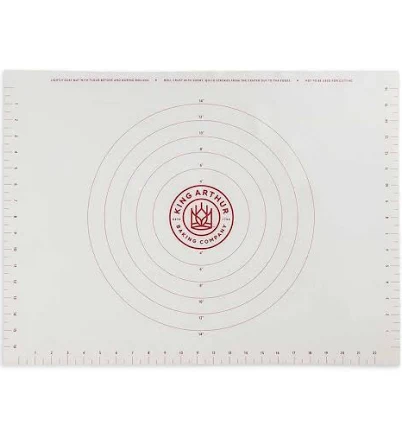
King Arthur Baking Company Rolling Mat
Rolling mat is silicone; lower PFAS concern. No nonstick coating.
Silicone mats don't need Teflon-family coating coatings to work. This King Arthur product carries less chemical risk than nonstick cookware.
We flunk more products than we pass. This one earned its grade. How we grade
Material
Silicone mat
Brand disclosure
Brand is silent on PFAS
Lab data
No public lab test
You may also be interested in
Top-graded picks in the categories readers replace first, every one scored on the same rubric.

- polypropylene filter housing, carbon/sediment cartridge
- We found no PFAS statement from the brand
- Bacterial growth in spent cartridges
3 hazards checked on this product, all on its full breakdown.

Aquasure
Premier Series 75 GPD Under Sink Reverse Osmosis Water Filtration System
- RO membrane, carbon filters, stainless steel housing
- We found no PFAS statement from the brand
- Bacterial and microbial growth in housing and filters
4 hazards checked on this product, all on its full breakdown.

Avocado
Vegan Mattress
- organic cotton, natural latex, coconut coir, recycled steel coils
- The brand calls it PFAS-free, which we have not verified
- Heavy metals
2 hazards checked on this product, all on its full breakdown.
What King Arthur Baking Company Rolling Mat is made of, ingredients and materials
This is a food-grade silicone mat, not a coated surface like traditional nonstick cookware. Silicone is a synthetic rubber polymer that does not contain Teflon-type coating (Teflon) or similar fluorinated coatings. The material's inert chemistry means it resists breakdown from heat and acidic foods, with minimal leaching risk at normal baking temperatures (typically under 500°F). Silicone mats are inherently nonstick without requiring applied coatings that degrade over time.
What’s concerning
No PFAS disclosure
No public statement from the brand about PFAS in this product.
Category baseline
The starting point for this type of product, before anything specific to this product is counted.
Silicone leaching (oligomers)
Food-grade silicone can release small cyclic oligomers at high heat (above 400°F) or in the presence of certain oils. This product is designed for baking (typically 350-450°F), placing it within acceptable range, but prolonged use at upper temperature limits may increase migration.
Thermal degradation / off-gassing
Silicone can emit a subtle odor when first heated or if used above safe temperature thresholds. This is typically benign at normal baking temperatures, but a strong or persistent chemical smell indicates overheating or defective material and warrants replacement.
Microorganism growth
Deep creases or folds in silicone mats can trap moisture and harbor bacteria or mold if not dried thoroughly. Proper storage (flat, in a dry location) and regular hand washing minimize this risk.
What’s reassuring
Base material not linked to PFAS
The main material recorded for this product is not one associated with PFAS.
Lead
Food-grade silicone mats are typically colorless or dyed with food-safe pigments. No recalls or test results documenting heavy metal contamination in King Arthur or comparable silicone baking mats are on public record.
Source, ATSDR ↗Coating or surface degradation
Silicone does not have a separable coating like traditional nonstick pans. The material itself does not peel, flake, or delaminate under normal use, eliminating a major risk category for coated bakeware.
How is this PFAS grade calculated?
The brand's record and disclosure
King Arthur Baking Company (parent, King Arthur, Inc.) maintains a straightforward food-equipment approach and does not market this product with health claims. The brand has no documented safety recalls or public health warnings specific to this mat. While they do not publish detailed chemical composition disclosures for every accessory, their cookware and baking tool lines follow standard food-contact material regulations in the US. No credible reports of contamination or degradation issues exist in consumer or safety databases.
How it compares in its category
Silicone mats present lower concern for Teflon-type coating fume risk and coating delamination compared to older nonstick cookware. Unlike ceramic-coated baking sheets (which may contain lead in glazes) or bare aluminum (which can leach under acidic conditions), silicone is chemically stable across common baking scenarios. Standard parchment paper is disposable and creates no chemical exposure, but silicone mats reduce waste and are more durable for frequent use.
If you buy it
Hand wash with mild soap and warm water; avoid abrasive scrubbers that can pit the surface. Do not use above 480°F or under direct flame, as silicone may begin to harden or emit odor at extreme temperatures. Replace if you notice visible tears, permanent discoloration, or any sticky residue, though this is uncommon. Store flat in a cool, dry place to prevent creasing that can trap moisture or mold.
What is not known about PFAS in this product?
- Basis
- Model estimate, 75% confidence, not a lab result
- Lab test
- None on record for this exact product
- Brand statement
- King Arthur Baking has made none
Formulations change between production runs, so check the current label. How we grade.
What are the PFAS-free alternatives to King Arthur Baking Company Rolling Mat?
- silicone-coated parchment paper
- The brand calls it PFAS-free, which we have not verified
- Paper degradation and particulate shedding
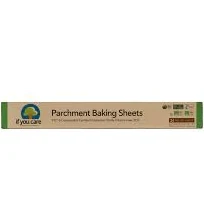
- unbleached paper with silicone coating
- The brand calls it PFAS-free, which we have not verified
- Silicone coating degradation at high heat
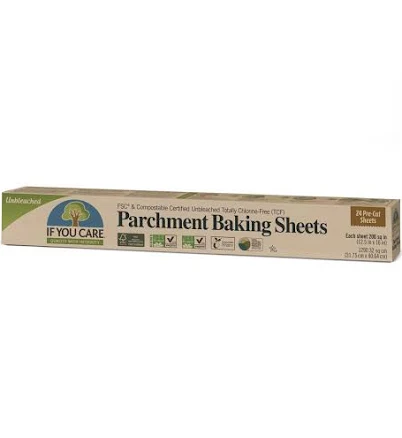
- bleached paper with silicone coating
- The brand calls it PFAS-free, which we have not verified
- Paper degradation and fragmentation
More parchment paper & baking liners grades
How we score, every product runs through the same public 0-100 rubric based on materials, coatings, brand disclosure, lab findings, and recalls. See the full methodology → Spotted a mistake? Report an error.