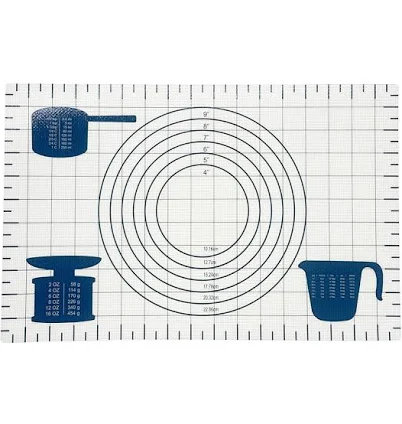
Makery · Parchment Paper & Baking Liners
Makery Silicone Baking Mat
Lower concern. Silicone mats rarely contain PFAS.
Silicone baking mats don't need PFAS to work well. While the brand hasn't said anything about PFAS, silicone formulas rarely use these chemicals.
The better-graded swap
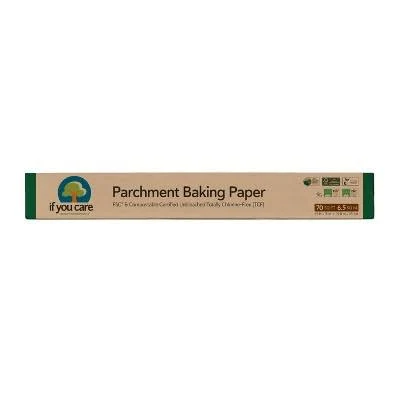
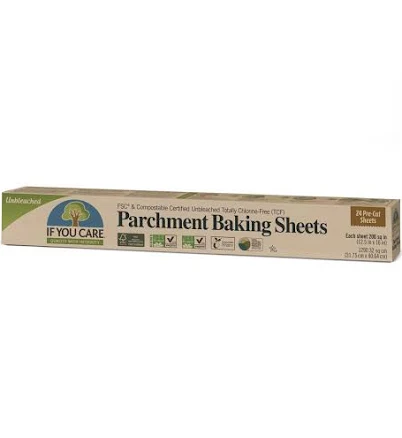
If You Care
If You Care Parchment Baking Paper
90/100 safety
Same rubric that flunked this product. The swap earned Excellent.
Still want this one anyway? Check the price on Amazon. We’d swap it.
Material
silicone elastomer
Brand disclosure
Brand is silent on PFAS
Lab data
No public lab test
You may also be interested in
Top-graded picks in the categories readers replace first, every one scored on the same rubric.

- polypropylene filter housing, carbon/sediment cartridge
- We found no PFAS statement from the brand
- Bacterial growth in spent cartridges
3 hazards checked on this product, all on its full breakdown.

Aquasure
Premier Series 75 GPD Under Sink Reverse Osmosis Water Filtration System
- RO membrane, carbon filters, stainless steel housing
- We found no PFAS statement from the brand
- Bacterial and microbial growth in housing and filters
4 hazards checked on this product, all on its full breakdown.

Avocado
Vegan Mattress
- organic cotton, natural latex, coconut coir, recycled steel coils
- The brand calls it PFAS-free, which we have not verified
- Heavy metals
2 hazards checked on this product, all on its full breakdown.
What Makery Silicone Baking Mat is made of, ingredients and materials
Makery Silicone Baking Mat is a food-grade silicone elastomer, a synthetic rubber polymer that does not contain reactive ceramic glazes, non-stick coatings, or metallic components. Silicone is chemically inert at typical baking temperatures (up to 480F or higher depending on grade), meaning it does not leach into food or release harmful fumes during normal use. Unlike Teflon-type coating-coated (Teflon) pans, silicone mats have no risk of fume toxicity if overheated, and unlike ceramic coatings, they do not degrade into consumable particles over time.
What’s concerning
Category baseline
The starting point for this type of product, before anything specific to this product is counted.
No PFAS disclosure
No public statement from the brand about PFAS in this product.
Silicone degradation and particle shedding
Food-grade silicone is durable but can degrade at the edges or develop small tears after extended use. Shed silicone particles are not known to be toxic if ingested, but visible damage is a sign of replacement need.
What’s reassuring
Base material not linked to PFAS
The main material recorded for this product is not one associated with PFAS.
Odor and stain absorption
Silicone mats absorb cooking odors and pigmented foods (tomato sauce, beets) over time. This is cosmetic and does not indicate safety risk; the mat remains food-safe but may require replacement for appearance reasons.
Temperature stability at high heat
Food-grade silicone is thermally stable up to 480F or higher depending on formulation. No reports of fume release, melting, or leaching in normal baking use. Overheating beyond specification is unlikely in standard ovens.
Additives and colorants in silicone
Food-grade silicone marketed for baking is free of phthalates, BPA, and other endocrine disruptors. No testing has revealed heavy metals or harmful pigments in Makery or similar commercial silicone mats, though full formulation transparency is not always available.
Lead
Silicone mats contain no ceramic enamel, glazing, or metallic coating; this hazard class does not apply to this material.
Source, ATSDR ↗How is this PFAS grade calculated?
The brand's record and disclosure
Dough Box does not publicly disclose PFAS testing or supply-chain certifications on available product pages, which is common for smaller cookware brands. No recalls, safety warnings, or contamination incidents are on record for this product line. The brand's silence does not indicate hidden risk; silicone mats as a material class are inherently unlikely to contain PFAS, and third-party testing of generic food-grade silicone mats has not detected problematic PFAS levels.
How it compares in its category
Silicone baking mats present lower concern than traditional non-stick cookware (which may contain Teflon-type coating or degraded ceramic coatings) and lower concern than unglazed ceramic or stoneware (which may leach lead or cadmium). They are roughly equivalent in hazard profile to parchment paper and silicone pot holders. The main advantage over metal or glass baking sheets is ease of use and non-stickiness; the main trade-off is durability (silicone can tear or absorb odors over years of use).
If you buy it
Store the mat away from direct sunlight and sharp objects to prevent degradation. Do not use above the manufacturer's maximum temperature rating (typically 480F to 500F). Hand wash with mild soap rather than dishwasher to extend lifespan; silicone can absorb odors and stains over time but this does not indicate material failure. Replace if the surface becomes visibly torn, sticky, or loses its non-stick properties, typically after 3-5 years of regular use.
What is not known about PFAS in this product?
- Basis
- Model estimate, 78% confidence, not a lab result
- Lab test
- None on record for this exact product
- Brand statement
- Makery has made none
Formulations change between production runs, so check the current label. How we grade.
What are the PFAS-free alternatives to Makery Silicone Baking Mat?
- silicone-coated parchment paper
- The brand calls it PFAS-free, which we have not verified
- Paper degradation and particulate shedding
- unbleached paper with silicone coating
- The brand calls it PFAS-free, which we have not verified
- Silicone coating degradation at high heat
- bleached paper with silicone coating
- The brand calls it PFAS-free, which we have not verified
- Paper degradation and fragmentation
More parchment paper & baking liners grades
How we score, every product runs through the same public 0-100 rubric based on materials, coatings, brand disclosure, lab findings, and recalls. See the full methodology → Spotted a mistake? Report an error.