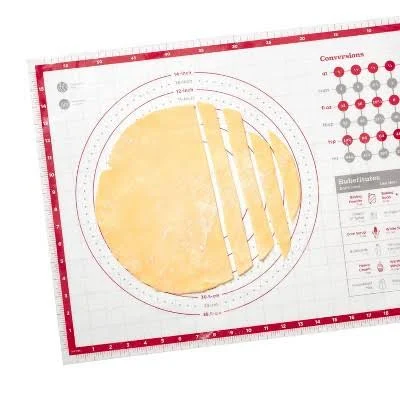
OXO · Parchment Paper & Baking Liners
OXO Pastry Mat
Silicone with no coating described, and no PFAS statement from the brand.
The product information we reviewed describes silicone mat, with no applied coating named. Silicone releases food on its own, so a non-stick claim on a silicone product describes the material rather than a coating. The brand has published no PFAS statement for it.
We flunk more products than we pass. This one earned its grade. How we grade
Material
Silicone mat
Lab data
No public lab test
You may also be interested in
Top-graded picks in the categories readers replace first, every one scored on the same rubric.

- polypropylene filter housing, carbon/sediment cartridge
- We found no PFAS statement from the brand
- Bacterial growth in spent cartridges
3 hazards checked on this product, all on its full breakdown.

Aquasure
Premier Series 75 GPD Under Sink Reverse Osmosis Water Filtration System
- RO membrane, carbon filters, stainless steel housing
- We found no PFAS statement from the brand
- Bacterial and microbial growth in housing and filters
4 hazards checked on this product, all on its full breakdown.

Avocado
Vegan Mattress
- organic cotton, natural latex, coconut coir, recycled steel coils
- The brand calls it PFAS-free, which we have not verified
- Heavy metals
2 hazards checked on this product, all on its full breakdown.
What OXO Pastry Mat is made of, ingredients and materials
The OXO Pastry Mat is a food-grade silicone sheet, a synthetic rubber polymer cured at high temperature to form a flexible, non-stick surface. Silicone is chemically inert at normal baking temperatures (up to 400-500°F depending on the mat's specification) and does not leach monomers or degradation products into food under standard use. Unlike older plastic mats or coated papers, silicone has no plasticizers, BPA, or phthalates, it's a cross-linked polymer that remains stable.
What’s concerning
Category baseline
The starting point for this type of product, before anything specific to this product is counted.
No PFAS disclosure
No public statement from the brand about PFAS in this product.
Silicone degradation and shedding
Prolonged heat exposure or physical damage can cause silicone to become sticky or shed small particles. This is rare under normal baking use but becomes more likely after 3-5 years of heavy use or if the mat is exposed to temperatures above its rating.
Mold or bacterial growth (if stored wet)
Silicone's porous surface can trap moisture if not thoroughly dried before storage, creating conditions for mold. This is a maintenance issue, not a chemical hazard, but can affect food safety if not addressed.
What’s reassuring
Base material not linked to PFAS
The main material recorded for this product is not one associated with PFAS.
BPA & bisphenols
Food-grade silicone is free of BPA and phthalates by formulation. No recalls or studies document leaching from OXO silicone baking mats under normal use conditions.
Source, FDA ↗Heavy metals
OXO mats are typically sold in neutral colors (tan, gray, or clear silicone) with minimal colorant additives. No data indicates heavy metal accumulation in food-contact silicone from OXO products.
Source, FDA ↗Thermal stability and fume release
Silicone is chemically stable at typical baking temperatures and does not emit volatile organic compounds (VOCs) or toxic fumes. Teflon-type coating-related fume risk (associated with Teflon cookware) does not apply to silicone mats.
How is this PFAS grade calculated?
The brand's record and disclosure
OXO is a private label owned by Groupe SEB (parent of All-Clad, T-fal, and other cookware brands) with a long track record of kitchen safety compliance across US and EU markets. The brand does not publish specific PFAS statements on baking mats, though it has faced no documented recalls related to chemical leaching from silicone kitchen tools. OXO products generally carry FDA compliance certification for food contact, which covers silicone formulations but does not guarantee PFAS-free status.
How it compares in its category
Silicone mats are preferred over parchment paper in safety terms because they eliminate chlorine bleaching byproducts and avoid the coating additives found in some commercial parchment. They also outlast single-use papers by years. Reusable silicone mats (like OXO's) show lower concern than non-stick cookware with Teflon-type coating (Teflon) because silicone is stable at baking temps and shedding is not a material linked to PFAS concerns. The main trade-off is initial cost and lifespan limits due to eventual wear.
If you buy it
Hand wash or use a dishwasher on a gentle cycle; avoid scouring pads that degrade the surface. Do not exceed the manufacturer's stated heat limit (typically 400-500°F); ensure your oven matches. Replace when the mat becomes sticky, stained, or begins to peel at edges. Store flat or rolled loosely to avoid creasing. Avoid cutting or heavy utensils that puncture the silicone, as small pieces could theoretically enter food.
What is not known about PFAS in this product?
- Basis
- Model estimate, 35% confidence, not a lab result
- Lab test
- None on record for this exact product
- Brand statement
- OXO has made a specific claim
Formulations change between production runs, so check the current label. How we grade.
What are the PFAS-free alternatives to OXO Pastry Mat?
- silicone-coated parchment paper
- The brand calls it PFAS-free, which we have not verified
- Paper degradation and particulate shedding
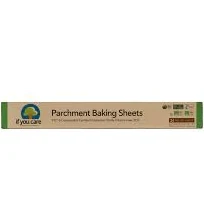
- unbleached paper with silicone coating
- The brand calls it PFAS-free, which we have not verified
- Silicone coating degradation at high heat
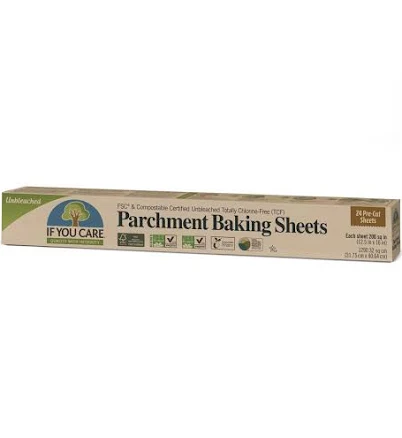
- bleached paper with silicone coating
- The brand calls it PFAS-free, which we have not verified
- Paper degradation and fragmentation
More parchment paper & baking liners grades
How we score, every product runs through the same public 0-100 rubric based on materials, coatings, brand disclosure, lab findings, and recalls. See the full methodology → Spotted a mistake? Report an error.