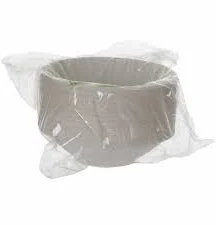
Eco-Products · Compostable Bowls
Eco-Products Molded Fiber Bowls
Low-medium PFAS risk; molded fiber naturally avoids PFAS absent hidden coatings.
Molded fiber bowls from recycled paper pulp carry low PFAS risk compared to coated products. Brand doesn't disclose PFAS testing or claims publicly.
We flunk more products than we pass. This one earned its grade. How we grade
Material
molded fiber (recycled paper/pulp)
Brand disclosure
Brand is silent on PFAS
Lab data
No public lab test
You may also be interested in
Top-graded picks in the categories readers replace first, every one scored on the same rubric.

Aqua Pure
3M Aqua-Pure AP802B Whole House Filter Housing
- polypropylene filter housing, carbon/sediment cartridge
- We found no PFAS statement from the brand
- Bacterial growth in spent cartridges
3 hazards checked on this product. See all of them.

Aquasure
Premier Series 75 GPD Under Sink Reverse Osmosis Water Filtration System
- RO membrane, carbon filters, stainless steel housing
- We found no PFAS statement from the brand
- Bacterial and microbial growth in housing and filters
4 hazards checked on this product. See all of them.

Avocado
Vegan Mattress
- organic cotton, natural latex, coconut coir, recycled steel coils
- The brand calls it PFAS-free, which we have not verified
- Heavy metals
2 hazards checked on this product. See all of them.
What Eco-Products Molded Fiber Bowls is made of, ingredients and materials
Eco-Products Molded Fiber Bowls are made from recycled paper and pulp pressed into shape, with no plastic resin or synthetic binders as the primary structure. The fiber matrix itself does not leach BPA, phthalates, or heavy metals because it contains none of these compounds. Molded fiber is fundamentally a cellulose-based material, meaning chemical migration into food is extremely limited compared to plastic or ceramic alternatives. The main exposure route would be residual contaminants from the recycled feedstock or coatings applied for water resistance, not the base material.
What’s concerning
Category baseline
The starting point for this type of product, before anything specific to this product is counted.
No PFAS disclosure
No public statement from the brand about PFAS in this product.
Residual contaminants from recycled fiber feedstock
Molded fiber is made from post-consumer or post-industrial recycled paper, which may contain trace contaminants (inks, adhesives, mineral residues) from previous use. Food contact regulations require feedstock to be cleaned, but no independent testing results for this specific product line are publicly available.
Water-resistant coatings and their additives
Molded fiber bowls typically require a coating (often wax, polymer, or resin-based) to prevent liquid absorption and disintegration during use. Eco-Products has not publicly disclosed the specific coating chemistry or whether PFAS-free formulations are used, creating a minor transparency gap.
Mold and microbial growth if stored wet
Cellulose-based materials can support mold and bacterial growth if exposed to moisture for extended periods before use or after partial breakdown. Proper dry storage and timely composting mitigate this risk.
Structural degradation releasing fine particles
Over time or with exposure to oil-based foods, the coating may degrade and the fiber may shed small particles into food. This is not a chemical toxicity issue but a physical contamination concern, especially if bowls are reused beyond single-use design intent.
What’s reassuring
Base material not linked to PFAS
The main material recorded for this product is not one associated with PFAS.
Formaldehyde / VOCs
No public record indicates Eco-Products uses formaldehyde-releasing adhesives in this product line. Molded fiber can be made with non-formaldehyde starch or natural binders, and the brand's environmental positioning suggests avoidance of such chemicals, but independent verification is not available.
Source, ATSDR ↗The full breakdown
The brand's record and disclosure
Eco-Products markets itself as an environmentally focused brand and has pursued certifications including compostability standards (BPI, EN 13432), but the company has been publicly silent on PFAS testing and coating transparency for this product line. No major recalls or safety controversies specific to these bowls are on record. The lack of detailed ingredient disclosure or independent PFAS testing is a transparency gap, but does not necessarily indicate presence of the chemicals; it reflects an industry-wide trend of minimal disclosure for foodware made from non-plastic bases.
How it compares in its category
Molded fiber bowls are among the lowest-risk disposable foodware options by material class, sitting below plastic (#5 PP, #6 PS) and comparable to uncoated paper in baseline chemical safety. They pose significantly less leaching risk than ceramic bowls with glazes or enamel coatings, which may contain lead or cadmium. Glass and stainless steel remain chemically inert alternatives, but molded fiber avoids the thermal shock and weight penalties of those materials while maintaining compostability.
If you buy it
Use these bowls for cold and room-temperature foods; while molded fiber can handle warm (not boiling) contents, prolonged exposure to oil-based or very hot foods may compromise structural integrity and any water-resistant coating. Replace bowls if the fiber becomes visibly torn, soft, or develops odors, as this suggests decomposition has begun and coating integrity may be compromised. Store in a cool, dry place to prevent premature moisture absorption and mold growth. For best compostability, dispose in industrial compost facilities rather than home bins.
What we don’t know
- Basis
- Model estimate, 72% confidence, not a lab result
- Lab test
- None on record for this exact product
- Brand statement
- Eco-Products has made none
Formulations change between production runs, so check the current label. How we grade.
Better-graded alternatives in Compostable Bowls
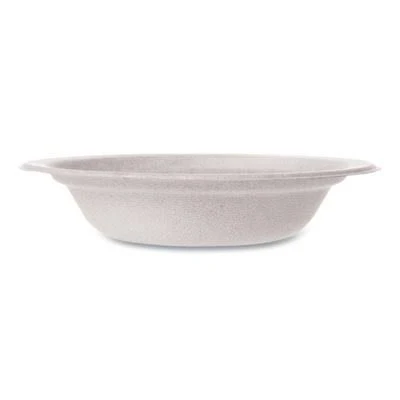
Bridge-Gate 12 oz. White Bagasse Bowl (1000 per Case)
- bagasse (sugarcane fiber), uncoated
- A third party reports verifying it as PFAS-free
- Mold or microbial growth during storage or use
3 hazards checked on this product. See all of them.
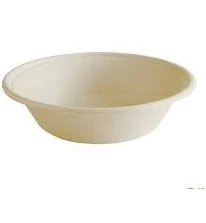
ECO-SYSTEMS Kraft Molded Fiber Bowl
- Kraft molded fiber (uncoated or minimal treatment)
- A third party reports verifying it as PFAS-free
- Moisture absorption and microbial growth
3 hazards checked on this product. See all of them.
More compostable bowls grades
How we score, every product runs through the same public 0-100 rubric based on materials, coatings, brand disclosure, lab findings, and recalls. See the full methodology → Spotted a mistake? Report an error.