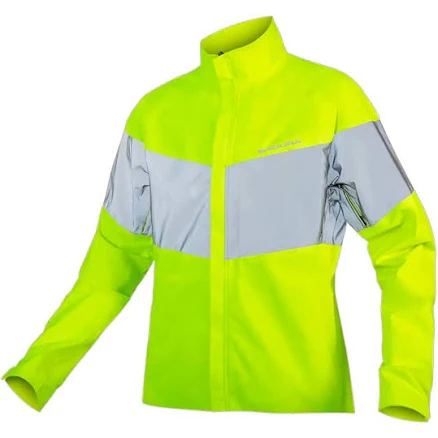
Endura Urban Luminite EN1150 Waterproof Jacket
Skip until brand discloses water-repellent coating chemistry or pursues PFAS-free cert.
Endura does not publicly disclose PFAS status or water-repellent coating treatment chemistry for this jacket. Waterproof outdoor apparel typically uses PFAS-based coatings unless explicitly stated otherwise.
Still want this one anyway? Check the price on Amazon. We’d swap it.
Material
polyamide/nylon with water-repellent coating waterproof coating
Brand disclosure
Brand is silent on PFAS
Lab data
No public lab test
What Endura Urban Luminite EN1150 Waterproof is made of, ingredients and materials
The EN1150 is constructed from polyamide (nylon) with a water-repellent coating (water-repellent coating) finish applied to the outer layer. water-repellent coating coatings are the primary PFAS exposure vector in waterproof clothing; traditional formulations rely on fluorinated compounds that persist in the environment and body. The polyamide base itself is stable and not a primary hazard, but the finishing chemistry is opaque from Endura's public statements.
What’s concerning
Waterproof / stain-resistant treatment
Water-repellent coating treatments have historically used PFAS.
Category baseline
The starting point for this type of product, before anything specific to this product is counted.
No PFAS disclosure
No public statement from the brand about PFAS in this product.
Formaldehyde / VOCs
Polyamide textiles often use formaldehyde-based cross-linking resins in dyes and finishes for colorfastness. Endura does not disclose resin type. Risk is greatest during initial wears before off-gassing; proper washing reduces exposure.
Source, ATSDR ↗Azo dyes (colorants)
Nylon apparel commonly uses azo dyes for color. Certain azo dyes can break down into aromatic amines under sweat and UV exposure. No specific azo restrictions documented for Endura; standard industry practice applies.
water-repellent coating wear and shedding
Fluorinated water-repellent coating sheds microparticles with wear and laundering. Inhalation risk is minimal in use; primary concern is environmental bioaccumulation. Separate washing and low-frequency laundering mitigate household exposure.
What’s reassuring
Antimony in polyester (not applicable here)
This jacket is polyamide, not polyester, so antimony catalyst contamination does not apply.
Flame retardants
No flame retardant treatments are typical or documented for this performance outdoor jacket category. Not a relevant hazard class for EN1150.
Source, EPA ↗The full breakdown
The brand's record and disclosure
Endura has not published detailed water-repellent coating chemistry or committed to alternatives with lower PFAS concern as of available records. The brand does not appear on third-party PFAS certification lists (such as Bluesign or GOTS PFAS tracking). This silence is notable in an industry where competitors (e.g., Patagonia, Arc'teryx) have begun disclosing or phasing out legacy fluorinated water repellents. Lack of transparency makes independent safety assessment difficult.
How it compares in its category
Most mainstream waterproof jackets in this price segment use conventional fluorinated water-repellent coating; Endura is typical rather than leading or lagging. Alternatives certified PFAS-free (Paragon, some Arc'teryx lines) command premium pricing. Budget waterproof jackets often omit water-repellent coating entirely or use lower-performance coatings. The EN1150 sits in the middle, proven waterproofing with unverified chemistry.
If you buy it
Wash separately from other clothing (water-repellent coating shedding) in cool water and dry flat or low heat to preserve coating without accelerating degradation. Do not machine dry at high temperature, as this can degrade the polyamide and potentially volatilize residual coating chemicals. Expect water-repellent coating performance to degrade after 3-5 years of use; replacement presents lower concern than attempting home re-coating with aftermarket products. Avoid prolonged skin contact with wet jacket if you have sensitive skin or chemical sensitivities.
What we don’t know
- Basis
- Model estimate, 35% confidence, not a lab result
- Lab test
- None on record for this exact product
- Brand statement
- Endura has made none
Formulations change between production runs, so check the current label. How we grade.
Better-graded alternatives in Cycling Rain Jackets
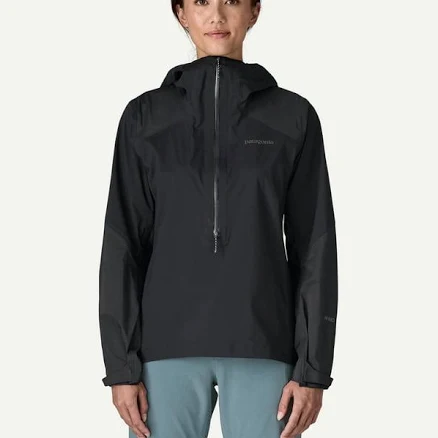
Patagonia
Women's Dirt Roamer Storm Jacket
- polyester shell with water-repellent coating finish
- The brand calls it PFAS-free, which we have not verified
- Azo dyes and color fastness
4 hazards checked on this product. See all of them.
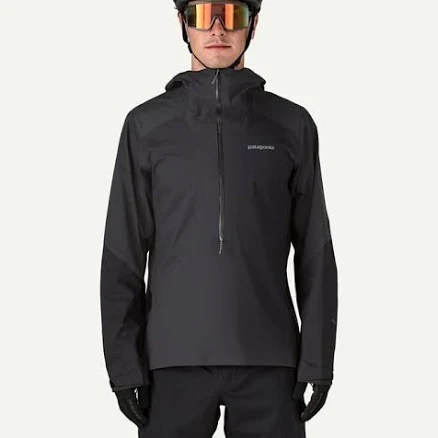
Patagonia
Men's Dirt Roamer Storm Jacket
- nylon/polyester with water-repellent coating water treatment
- The brand calls it PFAS-free, which we have not verified
- PFAS
3 hazards checked on this product. See all of them.
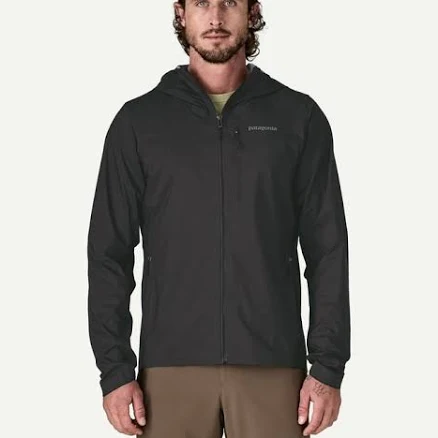
Patagonia
Men's Trail Craft Jacket
- Nylon with water-repellent coating water-repellent coating finish
- The brand calls it PFAS-free, which we have not verified
- water-repellent coating chemistry opacity (fluorinated vs. non-fluorinated)
3 hazards checked on this product. See all of them.
More cycling rain jackets grades
How we score, every product runs through the same public 0-100 rubric based on materials, coatings, brand disclosure, lab findings, and recalls. See the full methodology → Spotted a mistake? Report an error.