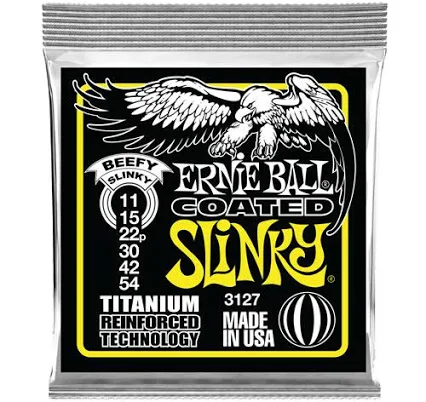
Ernie Ball Beefy Slinky Electric Guitar Strings
Low concern; traditional guitar string materials show no fluorochemical treatment association.
These nickel-plated steel strings use standard wound construction without nonstick, water-resistant, or grease-resistant treatments. Ernie Ball makes no PFAS claims and no recalls are linked to PFAS.
We flunk more products than we pass. This one earned its grade. How we grade
Material
Nickel-plated steel wound around hexagonal steel core
Brand disclosure
Brand is silent on PFAS
Lab data
No public lab test
You may also be interested in
Top-graded picks in the categories readers replace first, every one scored on the same rubric.

- polypropylene filter housing, carbon/sediment cartridge
- We found no PFAS statement from the brand
- Bacterial growth in spent cartridges
3 hazards checked on this product, all on its full breakdown.

Aquasure
Premier Series 75 GPD Under Sink Reverse Osmosis Water Filtration System
- RO membrane, carbon filters, stainless steel housing
- We found no PFAS statement from the brand
- Bacterial and microbial growth in housing and filters
4 hazards checked on this product, all on its full breakdown.

Avocado
Vegan Mattress
- organic cotton, natural latex, coconut coir, recycled steel coils
- The brand calls it PFAS-free, which we have not verified
- Heavy metals
2 hazards checked on this product, all on its full breakdown.
What Ernie Ball Beefy Slinky Guitar Strings is made of, ingredients and materials
Ernie Ball Beefy Slinky strings use nickel-plated steel wound around a hexagonal steel core, a conventional construction for electric guitar strings. Nickel plating provides corrosion resistance and tonal brightness. The "beefy" gauge (0.046 to 0.056 inches) means thicker wire, which does not change chemical composition but affects durability and playing feel. No toxic volatile compounds are inherent to this steel-nickel system under normal use.
What’s concerning
Category baseline
The starting point for this type of product, before anything specific to this product is counted.
No PFAS disclosure
No public statement from the brand about PFAS in this product.
Nickel contact dermatitis
Nickel-plated steel can release trace nickel through skin contact, particularly in individuals with nickel sensitivity. Risk is low during normal playing but may increase with perspiration or prolonged contact.
Hexagonal core fracture and sharp edges
Broken strings can create sharp metal edges that may cause minor cuts to fingers or hands during removal or replacement. This is a mechanical hazard, not a chemical one, inherent to the product category.
What’s reassuring
Base material not linked to PFAS
The main material recorded for this product is not one associated with PFAS.
Corrosion byproducts and oxidation
Oxidized nickel-plated strings do not release harmful fumes or toxins during use. Corroded string particles are inert and pose no ingestion hazard if accidentally ingested in trace amounts.
Heavy metals
Nickel plating on guitar strings is applied at industrial standard thicknesses; no evidence suggests significant bioaccumulation from casual string use or skin contact over years of normal playing.
Source, FDA ↗VOC or solvent residues from manufacturing
No public reports or recalls indicate volatile organic compound or solvent contamination in Ernie Ball strings. Steel winding and plating processes do not typically involve solvent baths that would leave residues on the final product.
How is this PFAS grade calculated?
The brand's record and disclosure
Ernie Ball is a major, established American string manufacturer with decades of market presence. The company has not faced publicized recalls or safety controversies related to their string formulations. Disclosure of manufacturing processes or third-party safety testing is minimal across the industry; Ernie Ball follows no formal chemical transparency standard but maintains ISO compliance for general quality. No evidence of deliberate use of hazardous additives in their steel or plating process has surfaced in public records.
How it compares in its category
Nickel-plated steel is the industry standard for electric guitar strings across all major brands (D'Addario, Fender, GHS). Alternatives like stainless steel or pure nickel exist but carry similar chemical profiles. Coated strings (marketed as longer-lasting) add polymer layers that do not introduce new hazards but increase cost. Ernie Ball's construction and materials are typical for the segment; no competitive advantage or disadvantage on safety grounds.
If you buy it
Store strings in a cool, dry place away from high heat or humidity to prevent premature oxidation and corrosion. Replace strings when they lose brightness, become visibly corroded, or lose intonation stability, typically every 1 to 3 months depending on playing intensity. Wash hands after playing to minimize skin oils transferring to the strings and accelerating degradation. No special handling precautions are needed; standard instrument care applies.
What is not known about PFAS in this product?
- Basis
- Model estimate, 82% confidence, not a lab result
- Lab test
- None on record for this exact product
- Brand statement
- Ernie Ball has made none
Formulations change between production runs, so check the current label. How we grade.
More guitar strings grades
How we score, every product runs through the same public 0-100 rubric based on materials, coatings, brand disclosure, lab findings, and recalls. See the full methodology → Spotted a mistake? Report an error.