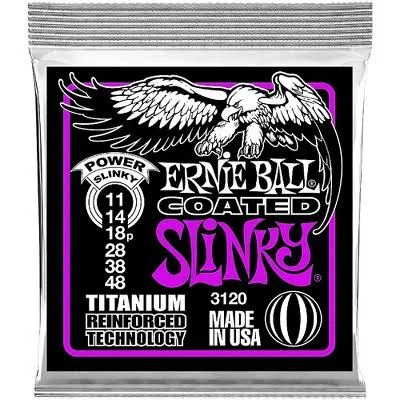
Ernie Ball Power Slinky Electric Guitar Strings
Low concern; metal guitar strings show no known fluorochemical treatment.
These steel-core, bronze-wound strings contain no materials typically requiring PFAS. Ernie Ball discloses nothing about the topic, and metal strings lack established PFAS risk factors.
We flunk more products than we pass. This one earned its grade. How we grade
Material
nickel-plated steel wound core with bronze/phosphor bronze wrap
Brand disclosure
Brand is silent on PFAS
Lab data
No public lab test
You may also be interested in
Top-graded picks in the categories readers replace first, every one scored on the same rubric.

- polypropylene filter housing, carbon/sediment cartridge
- We found no PFAS statement from the brand
- Bacterial growth in spent cartridges
3 hazards checked on this product, all on its full breakdown.

Aquasure
Premier Series 75 GPD Under Sink Reverse Osmosis Water Filtration System
- RO membrane, carbon filters, stainless steel housing
- We found no PFAS statement from the brand
- Bacterial and microbial growth in housing and filters
4 hazards checked on this product, all on its full breakdown.

Avocado
Vegan Mattress
- organic cotton, natural latex, coconut coir, recycled steel coils
- The brand calls it PFAS-free, which we have not verified
- Heavy metals
2 hazards checked on this product, all on its full breakdown.
What Ernie Ball Power Slinky Guitar Strings is made of, ingredients and materials
Ernie Ball Power Slinky strings use a nickel-plated steel wound core wrapped with bronze or phosphor bronze, a standard construction for electric guitar strings. Nickel plating protects the steel from corrosion and provides durability; phosphor bronze adds stiffness and tonal brightness. This material combination has no known leaching risk under normal playing conditions, since strings are not heated, ingested, or in prolonged contact with skin or food.
What’s concerning
Category baseline
The starting point for this type of product, before anything specific to this product is counted.
No PFAS disclosure
No public statement from the brand about PFAS in this product.
Nickel skin contact and sensitization
Nickel plating can release trace amounts in direct skin contact, posing risk primarily to nickel-sensitized individuals. Ernie Ball does not disclose nickel content or barrier coatings; risk is low for general population but relevant for users with known nickel allergy.
What’s reassuring
Base material not linked to PFAS
The main material recorded for this product is not one associated with PFAS.
Corrosion byproducts inhalation
No evidence of harmful dust or fume generation during normal playing. Corrosion on worn strings produces surface oxidation only, not airborne particles in typical home or stage use.
Heavy metals
Phosphor bronze and bronze are copper alloys without known toxic additives in standard guitar string formulations. No cadmium, lead, or arsenic contamination has been reported in Ernie Ball products.
Source, FDA ↗Steel core rust and iron exposure
Nickel plating prevents rust under normal storage; minor surface rust on worn strings poses no inhalation or ingestion hazard during play. Rust particles are not volatile or bioavailable during typical use.
Coating adhesion and particle shedding
Nickel plating on Ernie Ball strings is durable and does not flake or shed microparticles during normal playing. No reports of coating degradation or surface spalling exist in the public record.
How is this PFAS grade calculated?
The brand's record and disclosure
Ernie Ball is a major guitar string manufacturer with decades of market presence and no documented safety recalls or contamination incidents on public record. The company does not publish detailed material safety data sheets or third-party certifications for heavy metals or coatings; this is typical for the guitar string category. No allegations of deceptive labeling or supply-chain violations have been established.
How it compares in its category
Power Slinky is a mainstream product using conventional nickel-plated steel construction common across most major brands (D'Addario, Fender, GHS). Alternatives include pure nickel-wound strings (warmer tone, higher corrosion risk) or stainless steel (more durable, pricier). Ernie Ball's pricing and material spec are competitive; no evidence suggests higher or lower chemical hazard versus peer products.
If you buy it
Store strings in a cool, dry place to prevent rust on cut ends. Replace when tone dulls, tuning becomes unstable, or visible corrosion appears (typically every 1-3 months with regular play). Wash hands after playing to remove skin oils and corrosion particles. No special handling or heating exposure occurs during normal use, so no additional precautions beyond standard instrument care are needed.
What is not known about PFAS in this product?
- Basis
- Model estimate, 82% confidence, not a lab result
- Lab test
- None on record for this exact product
- Brand statement
- Ernie Ball has made none
Formulations change between production runs, so check the current label. How we grade.
More guitar strings grades
How we score, every product runs through the same public 0-100 rubric based on materials, coatings, brand disclosure, lab findings, and recalls. See the full methodology → Spotted a mistake? Report an error.