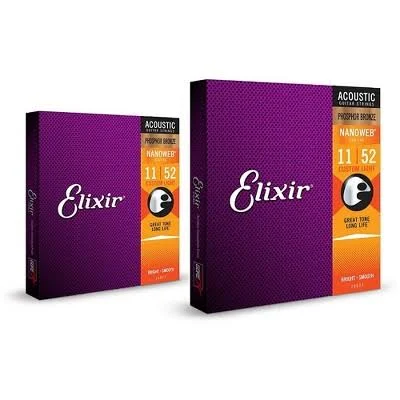
Elixir Phosphor Acoustic Guitar Strings
Avoid until brand discloses coating chemistry; Elixir's proprietary finish lacks transparency.
Elixir's Phosphor Acoustic strings use branded anti-corrosion coating, but the company doesn't disclose its chemical composition or PFAS status. Coating opacity makes PFAS risk assessment impossible without third-party testing.
The better-graded swap
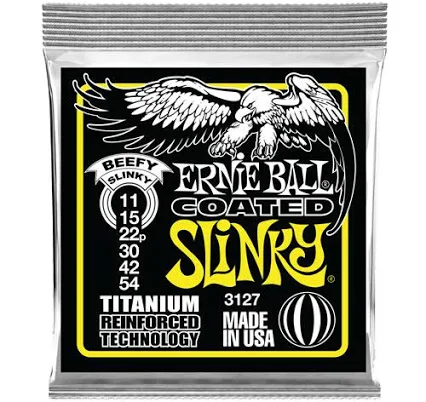
Ernie Ball
Ernie Ball Beefy Slinky Electric Guitar Strings
85/100 safety
Same rubric that flunked this product. The swap earned Excellent.
Still want this one anyway? Check the price on Amazon. We’d swap it.
Material
Phosphor bronze wound steel strings with proprietary Elixir coating
Brand disclosure
Brand is silent on PFAS
Lab data
No public lab test
You may also be interested in
Top-graded picks in the categories readers replace first, every one scored on the same rubric.

- polypropylene filter housing, carbon/sediment cartridge
- We found no PFAS statement from the brand
- Bacterial growth in spent cartridges
3 hazards checked on this product, all on its full breakdown.

Aquasure
Premier Series 75 GPD Under Sink Reverse Osmosis Water Filtration System
- RO membrane, carbon filters, stainless steel housing
- We found no PFAS statement from the brand
- Bacterial and microbial growth in housing and filters
4 hazards checked on this product, all on its full breakdown.

Avocado
Vegan Mattress
- organic cotton, natural latex, coconut coir, recycled steel coils
- The brand calls it PFAS-free, which we have not verified
- Heavy metals
2 hazards checked on this product, all on its full breakdown.
What Elixir Phosphor Acoustic Guitar Strings is made of, ingredients and materials
Elixir Phosphor strings use a steel core wound with phosphor bronze, then wrapped in Elixir's proprietary polymer coating. The coating extends string life by reducing corrosion and finger wear, but its exact chemistry is not publicly disclosed. Phosphor bronze itself is a stable, non-toxic alloy; the risk lies entirely in the applied finish and whether it contains PFAS or other polymer additives.
What’s concerning
Category baseline
The starting point for this type of product, before anything specific to this product is counted.
No PFAS disclosure
No public statement from the brand about PFAS in this product.
Unknown / proprietary coating
A coating is recorded with no disclosed chemistry.
Proprietary polymer coating composition unknown
Elixir does not publicly disclose the full chemical makeup of its string coating, leaving potential for undisclosed PFAS, plasticizers, or other additives. No independent testing results are publicly available.
Coating degradation and particulate ingestion
If the coating flakes with age or high humidity, fragments could enter the mouth during play. The toxicity of inhaled or ingested coating particles is unknown due to lack of disclosure.
What’s reassuring
Heavy metals
Phosphor bronze is a well-established alloy used in marine and electrical applications. No lead, cadmium, or other regulated heavy metals are standard to phosphor bronze formulation.
Source, FDA ↗Steel core corrosion or oxidation
The steel core is sealed by the coating, making direct corrosion unlikely during normal use. No widespread reports of rust or oxide transfer to hands or mouth.
Allergen or skin sensitization from coating
No documented cases of dermatitis or allergic reactions linked to Elixir string coatings, but without ingredient transparency, risk cannot be fully ruled out for sensitized individuals.
How is this PFAS grade calculated?
The brand's record and disclosure
Elixir (owned by W.L. Gore) has not published detailed ingredient lists or polymer composition for its string coatings, despite being a market leader since the 1990s. The brand has not sought third-party certifications (e.g., OEKO-TEX, Bluesign) that would verify coating safety. No recalls or complaints specific to coating toxicity have been widely documented, but silence on chemistry is a transparency red flag.
How it compares in its category
Elixir is premium-priced and known for durability; uncoated phosphor bronze strings are cheaper and have fully transparent material composition. Some competing brands (e.g., Martin Darling, D'Addario) also use proprietary coatings but are slightly more forthcoming in marketing materials. Elixir's coating advantage is longevity, not safety; many players prefer uncoated strings to avoid unknown polymer exposure.
If you buy it
Store strings in a cool, dry place away from direct sunlight to preserve coating integrity. No special care is needed during play; normal hand hygiene and instrument maintenance suffice. If the coating visibly flakes or degrades, discontinue use and replace. Given coating opacity, consider requesting product safety data from Elixir or switching to uncoated alternatives if concerned about undisclosed additives.
What is not known about PFAS in this product?
- Basis
- Model estimate, 45% confidence, not a lab result
- Lab test
- None on record for this exact product
- Brand statement
- Elixir has made none
Formulations change between production runs, so check the current label. How we grade.
What are the PFAS-free alternatives to Elixir Phosphor Acoustic Guitar Strings?
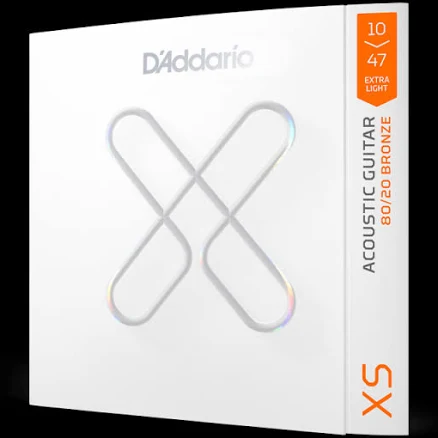
- 80/20 Bronze (copper-tin alloy) with phosphor-bronze coating
- We found no PFAS statement from the brand
- Coating degradation and particulate release
2 hazards checked on this product, all on its full breakdown.
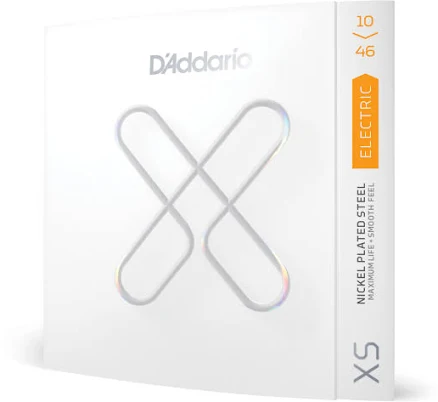
- Nickel-plated steel core with nickel-brass wound exterior
- We found no PFAS statement from the brand
- Nickel skin contact sensitivity
2 hazards checked on this product, all on its full breakdown.
- Nickel-plated steel wound around hexagonal steel core
- We found no PFAS statement from the brand
- Nickel contact dermatitis
2 hazards checked on this product, all on its full breakdown.
More guitar strings grades
How we score, every product runs through the same public 0-100 rubric based on materials, coatings, brand disclosure, lab findings, and recalls. See the full methodology → Spotted a mistake? Report an error.