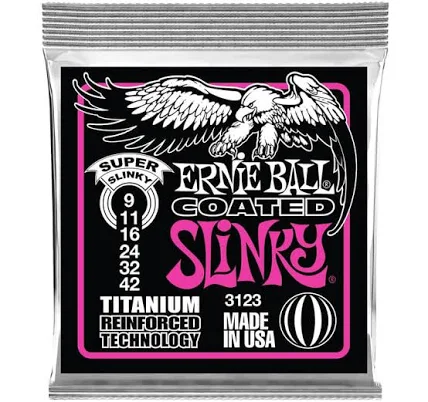
Ernie Ball 3123 Coated Super Slinky Electric Guitar Strings
Unclear coating chemistry; PFAS risk cannot be confirmed for guitar strings.
A proprietary polymer coating extends string life, but Ernie Ball withholds coating details and any PFAS information. Guitar strings are low-contact products with minimal typical PFAS exposure versus cookware or apparel.
The better-graded swap
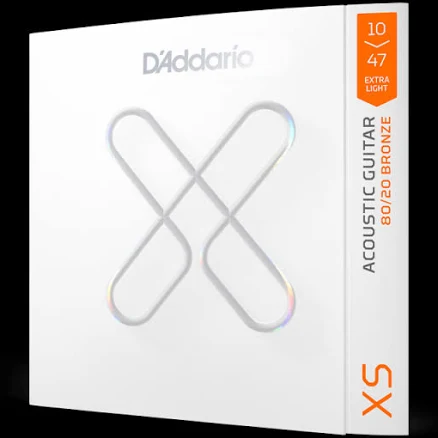
D'Addario
D'Addario Acoustic Guitar Strings XS 80/20 Bronze Coated
85/100 safety
Same rubric that flunked this product. The swap earned Excellent.
Still want this one anyway? Check the price on Amazon. We’d swap it.
Material
Nickel-plated steel core with proprietary polymer coating
Brand disclosure
Brand is silent on PFAS
Lab data
No public lab test
You may also be interested in
Top-graded picks in the categories readers replace first, every one scored on the same rubric.

- polypropylene filter housing, carbon/sediment cartridge
- We found no PFAS statement from the brand
- Bacterial growth in spent cartridges
3 hazards checked on this product, all on its full breakdown.

Aquasure
Premier Series 75 GPD Under Sink Reverse Osmosis Water Filtration System
- RO membrane, carbon filters, stainless steel housing
- We found no PFAS statement from the brand
- Bacterial and microbial growth in housing and filters
4 hazards checked on this product, all on its full breakdown.

Avocado
Vegan Mattress
- organic cotton, natural latex, coconut coir, recycled steel coils
- The brand calls it PFAS-free, which we have not verified
- Heavy metals
2 hazards checked on this product, all on its full breakdown.
What Ernie Ball 3123 Coated Guitar Strings is made of, ingredients and materials
Ernie Ball 3123 strings use a nickel-plated steel core wound with a proprietary polymer coating designed to extend playability life and reduce finger noise. The coating chemistry is proprietary and not publicly disclosed, which means the specific polymer type (polyurethane, polyester, acrylic, or other) cannot be independently verified. Nickel-plated steel is a standard material in electric guitar strings and poses minimal dermal or ingestion risk during normal playing, though nickel sensitivity in players with contact dermatitis is theoretically possible but rare.
What’s concerning
Category baseline
The starting point for this type of product, before anything specific to this product is counted.
No PFAS disclosure
No public statement from the brand about PFAS in this product.
Unknown / proprietary coating
A coating is recorded with no disclosed chemistry.
Nickel contact dermatitis
Nickel-plated strings can trigger contact dermatitis in users with nickel sensitivity, though prevalence among musicians is low. Direct skin contact during play is the primary exposure route.
PFAS
The specific polymer coating formulation is not disclosed. Unknown additives (plasticizers, cross-linkers, antimicrobials) in the coating could pose minor inhalation or dermal risk if coating degrades, but no reports of adverse effects exist for this product.
Source, ATSDR ↗What’s reassuring
Coating degradation and particulate shedding
Coated strings are designed to resist wear, and no studies document harmful particulate release during normal playing. If coating flakes with age, small polymer particles may contact skin or be inhaled, but this is not an established hazard class for guitar strings.
Heavy metals
The nickel-plated steel core is not formulated to release lead, cadmium, or other regulated metals during normal use. Nickel plating is a standard guitar string material with no known leaching hazard into skin or saliva during play.
Source, FDA ↗How is this PFAS grade calculated?
The brand's record and disclosure
Ernie Ball does not publicly disclose the chemical composition of its proprietary string coatings or provide material safety data sheets accessible to consumers. The brand has no known environmental certifications (e.g., ISO 14001) or third-party toxicology assessments for string products. No recalls, safety warnings, or regulatory actions specifically targeting Ernie Ball strings have been documented in public records. The lack of transparency on coating chemistry is typical across the guitar string industry but limits independent hazard verification.
How it compares in its category
Coated strings (Ernie Ball, D'Addario, Elixir) generally carry similar undisclosed coating chemistry risks as this product. Uncoated strings (plain steel or bronze) avoid proprietary polymer exposure but wear faster and require more frequent replacement. Ernie Ball is a market leader with long consumer use history and no documented safety incidents, suggesting a baseline safety profile comparable to or better than lesser-known brands. The coating durability claim (longer lifespan than uncoated) means fewer string replacements, reducing cumulative chemical exposure over time.
If you buy it
Store strings in a cool, dry place away from humidity and saltwater environments, as moisture can degrade the coating and expose the nickel-plated core. Wash hands after playing if you have known nickel sensitivity or dermatitis. Replace strings when they lose intonation stability, show visible rust or coating flaking, or fail to maintain tuning, typically every 1 to 3 months depending on playing frequency. Avoid prolonged contact with skin for users with nickel allergy; otherwise, normal playing poses negligible hazard.
What is not known about PFAS in this product?
- Basis
- Model estimate, 45% confidence, not a lab result
- Lab test
- None on record for this exact product
- Brand statement
- Ernie Ball has made none
Formulations change between production runs, so check the current label. How we grade.
What are the PFAS-free alternatives to Ernie Ball 3123 Coated Super Slinky Electric Guitar Strings?
- 80/20 Bronze (copper-tin alloy) with phosphor-bronze coating
- We found no PFAS statement from the brand
- Coating degradation and particulate release
2 hazards checked on this product, all on its full breakdown.
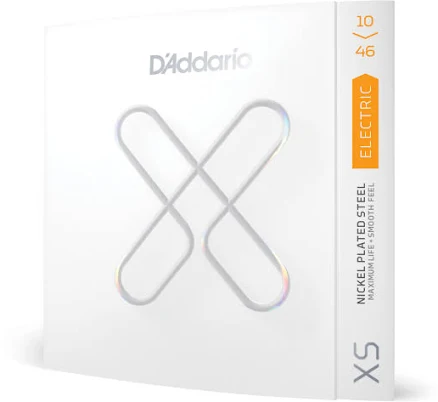
- Nickel-plated steel core with nickel-brass wound exterior
- We found no PFAS statement from the brand
- Nickel skin contact sensitivity
2 hazards checked on this product, all on its full breakdown.
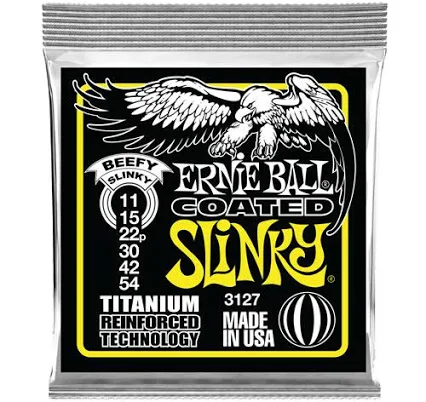
- Nickel-plated steel wound around hexagonal steel core
- We found no PFAS statement from the brand
- Nickel contact dermatitis
2 hazards checked on this product, all on its full breakdown.
More guitar strings grades
How we score, every product runs through the same public 0-100 rubric based on materials, coatings, brand disclosure, lab findings, and recalls. See the full methodology → Spotted a mistake? Report an error.