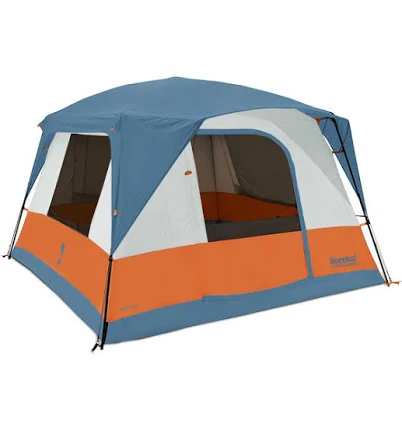
Eureka! · Camping Tents & Tarps
Eureka! Copper Canyon LX Class Tent
water-repellent coating chemistry not disclosed, waterproofing historically linked to PFAS.
The Copper Canyon LX tent has a polyester ripstop fabric with a water-repellent coating of unspecified chemistry. Eureka! has no PFAS statement on record. water-repellent coating treatments have historically used PFAS-based Teflon-family coating, and the brand does not disclose this product's coating type.
Still want this one anyway? Check the price on Amazon. We’d swap it.
Material
Polyester ripstop fabric with water-repellent coating (water-repellent coating) coating, type unspecified
Brand disclosure
Brand is silent on PFAS
Lab data
No public lab test
What Eureka! Copper Canyon LX Class Tent is made of, ingredients and materials
The Copper Canyon LX uses polyester ripstop fabric, a tightly woven synthetic that resists tearing and is inherently water-resistant to some degree. The water-repellent coating (water-repellent coating) coating applied to the exterior is what makes it shed water effectively, but Eureka! does not specify whether this coating contains PFAS-based chemistry (common in the industry) or alternative chemistries. Polyester itself is chemically stable under normal camping conditions and does not leach hazardous substances into skin or food.
What’s concerning
Category baseline
The starting point for this type of product, before anything specific to this product is counted.
No PFAS disclosure
No public statement from the brand about PFAS in this product.
Waterproof / stain-resistant treatment
Water-repellent coating treatments have historically used PFAS.
PFAS
Eureka! does not disclose whether the water-repellent coating is PFAS-based. Most polyester tent coatings in this category historically use PFAS for durability; this is a significant knowledge gap rather than a confirmed hazard, but warrants inquiry before purchase if PFAS avoidance is a priority.
Source, ATSDR ↗Volatile organic compound (VOC) off-gassing from new fabric and coating
New polyester ripstop tents often emit mild odors from sizing agents and coating solvents during the first few uses. This is typically brief, non-toxic at low levels, and resolves within days in outdoor air; no long-term health risk is established for normal camping use.
Microplastics
Polyester ripstop can shed microfibers over time, especially if rubbed heavily or machine washed. In a tent context, shedding is minimal and poses no direct health risk, though accumulation in washing water is an environmental concern if the tent is ever laundered.
Source, EPA ↗water-repellent coating degradation and reapplication exposure
Recoating tents with aftermarket water-repellent coating products (aerosol or liquid) in poorly ventilated spaces can create temporary inhalation risk.
Mildew and mold from improper storage
If stored wet or in sealed containers, polyester tents can develop mildew, which produces allergenic spores. This is a use-care hazard, not an inherent material hazard; proper drying and breathable storage prevent it entirely.
The full breakdown
The brand's record and disclosure
Eureka! is a legacy outdoor brand owned by Johnson Outdoors and has no published history of third-party testing, PFAS disclosure, or certification for non-toxic materials. The company has not publicly committed to phasing out PFAS in tent coatings or responded to industry pressure on the issue. This silence is typical of mid-market tent makers but leaves buyers unable to verify what waterproofing chemistry is used.
How it compares in its category
Most mainstream tent brands (including REI Co-op, Big Agnes, and Coleman) use similarly vague water-repellent coating specifications; fewer disclose PFAS presence, and very few offer PFAS-free alternatives at this price point. High-end brands like Hyperlite Mountain Gear have begun marketing PFAS-free tents, but they command premium pricing. The Copper Canyon LX is typical for the mass-market segment in transparency and chemical disclosure.
If you buy it
Ensure the tent is set up and broken in (first wet weather) in a well-ventilated outdoor space to off-gas any residual volatile compounds. Reapply water-repellent coating annually or when water beads up less effectively; use commercially available non-PFAS water-repellent coating products (like Nikwax) for maintenance if PFAS avoidance matters to you. Store dry and in a breathable bag to prevent mildew and material degradation. Do not heat-treat or machine wash, as this can damage the coating and fabric.
What we don’t know
- Basis
- Model estimate, 35% confidence, not a lab result
- Lab test
- None on record for this exact product
- Brand statement
- Eureka! has made none
Formulations change between production runs, so check the current label. How we grade.
More camping tents & tarps grades
How we score, every product runs through the same public 0-100 rubric based on materials, coatings, brand disclosure, lab findings, and recalls. See the full methodology → Spotted a mistake? Report an error.