Eureka! · Camping Tents & Tarps
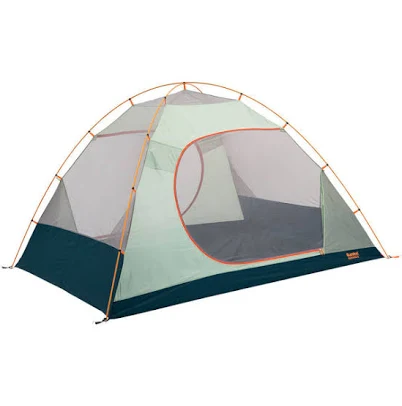
Eureka Kohana 6 Person Tent
Skip until the brand discloses water-repellent coating chemistry or offers a PFAS-free option.
This 6-person tent uses polyester with a water-repellent coating, but the brand won't say whether it contains PFAS or uses alternatives. Outdoor gear frequently relies on fluorine-based water-repellent coating.
Still want this one anyway? Check the price on Amazon. We’d swap it.
Material
polyester tent fabric with water-repellent coating waterproof coating (unspecified chemistry)
Brand disclosure
Brand is silent on PFAS
Lab data
No public lab test
What Eureka Kohana 6 Person Tent is made of, ingredients and materials
The Eureka Kohana 6 uses polyester fabric as its primary material, which is inherently stable and does not off-gas formaldehyde or volatile organics under normal camping conditions. The critical unknown is the water-repellent coating (water-repellent coating) coating applied to the polyester. Eureka does not publicly disclose whether this coating contains PFAS (PFAS "forever chemicals"), which are common in water-repellent textiles but persist in the environment and bioaccumulate. Polyester itself poses no established acute chemical hazard when intact, but degradation from UV and wear can eventually release microfibers.
What’s concerning
Category baseline
The starting point for this type of product, before anything specific to this product is counted.
No PFAS disclosure
No public statement from the brand about PFAS in this product.
Waterproof / stain-resistant treatment
Water-repellent coating treatments have historically used PFAS.
PFAS
Eureka does not disclose water-repellent coating chemistry. Most polyester tent coatings historically use C6 or C8 PFAS compounds for water repellency. Contact with skin and inhalation of coating aerosols during setup are minimal risks; primary concern is product life-cycle and environmental persistence if coating is fluorinated.
Source, ATSDR ↗Microplastic shedding from polyester
Extended UV exposure and mechanical wear (folding, compression during storage, abrasion in backpack) can degrade polyester fibers. No data on shedding rates for this specific tent, but polyester textiles do release microfibers over years of use. Risk is environmental, not direct health hazard during camping.
Mold and bacterial growth if stored wet
Polyester does not itself promote mold, but trapped moisture in packed or stored tents creates conditions for mildew and mold colonies. Wet storage can also degrade water-repellent coating effectiveness. No specific recalls for this model; risk is avoidable with proper drying and ventilation.
What’s reassuring
Formaldehyde / VOCs
Polyester tents occasionally use formaldehyde-based resins in thread or seam tape. Eureka does not list this as a concern for the Kohana 6, and no complaints or testing results are on record. Off-gassing risk from this source is minimal under typical outdoor use.
Source, ATSDR ↗Aluminum poles corrosion or contact
Tent poles are typically anodized aluminum and do not leach under normal conditions. The Kohana 6 does not feature internal metal contacts with skin or food, so aluminum hazard is not relevant.
The full breakdown
The brand's record and disclosure
Eureka (a Johnson Outdoors brand) has not published detailed water-repellent coating chemistry or PFAS-free commitments for its tent lines as of available public records. The company maintains no visible PFAS transparency initiative or third-party certification (such as bluesign or OEKO-TEX) for this product. No recalls or safety warnings specific to chemical hazards have been issued for the Kohana 6. The silence on coating chemistry is the primary concern, as competitors increasingly disclose or eliminate PFAS-based treatments.
How it compares in its category
Most mainstream recreational tents (Coleman, REI Co-op, Big Agnes) use similar polyester with non-disclosed water-repellent coating coatings, so the Kohana 6 is typical in this respect. Higher-end brands (e.g., Nemo, Hilleberg) increasingly offer PFAS-free or disclosed options. Budget tents rarely disclose, and premium backcountry tents sometimes use silnylon (nylon with silicone) which avoids fluorocarbon coatings but is heavier. The Kohana 6 sits in the mid-market recreation tier where PFAS-free options are now appearing but not standard.
If you buy it
Store dry and well-ventilated to prevent mold growth and off-gassing in a closed bag. Do not expose to direct heat or fire, as polyester softens above 150°C and the coating may degrade. Wash only with mild soap and water if necessary; avoid chlorine bleach or solvents that can degrade the water-repellent coating and potentially mobilize coatings residues. Inspect seams and fabric annually for tears or UV damage; replace if microfiber shedding becomes visible or structural integrity is compromised.
What we don’t know
- Basis
- Model estimate, 35% confidence, not a lab result
- Lab test
- None on record for this exact product
- Brand statement
- Eureka! has made none
Formulations change between production runs, so check the current label. How we grade.
More camping tents & tarps grades
How we score, every product runs through the same public 0-100 rubric based on materials, coatings, brand disclosure, lab findings, and recalls. See the full methodology → Spotted a mistake? Report an error.