Eureka! · Camping Tents & Tarps
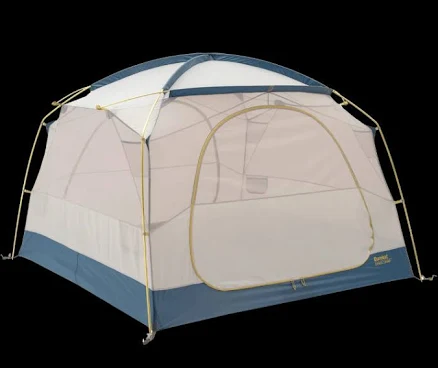
Eureka Space Camp 6 Person Tent
Skip until Eureka! reveals water-repellent coating chemistry or certifies PFAS-free.
Budget polyester tent treated for water repellency with undisclosed water-repellent coating chemistry. Eureka! makes no public disclosure, and many camping tents still use PFAS-based water-repellent coating treatments without verification.
Still want this one anyway? Check the price on Amazon. We’d swap it.
Material
Polyester fabric with water-repellent coating (water-repellent coating) coating
Brand disclosure
Brand is silent on PFAS
Lab data
No public lab test
What Eureka Space Camp 6 Person Tent is made of, ingredients and materials
The Space Camp 6 uses polyester fabric with a water-repellent coating (water-repellent coating) coating. Polyester itself is chemically stable during normal use and does not leach plasticizers or BPA under typical camping conditions. The concern is the water-repellent coating, manufacturers use either fluorinated compounds (often PFAS-based) or non-fluorinated alternatives, and Eureka! has not publicly disclosed which chemistry applies to this model. Without transparency, you cannot rule out PFAS exposure through water runoff or fabric contact.
What’s concerning
Category baseline
The starting point for this type of product, before anything specific to this product is counted.
No PFAS disclosure
No public statement from the brand about PFAS in this product.
Waterproof / stain-resistant treatment
Water-repellent coating treatments have historically used PFAS.
water-repellent coating volatilization and inhalation
Polyester tent coatings can off-gas during the first few uses, especially if sealed in storage. If fluorinated, off-gassing poses minor respiratory irritant risk in poorly ventilated spaces; risk is negligible in typical camping (outdoor, well-ventilated) but relevant if tent is set up indoors for storage or play.
Coating degradation and microparticle shedding
Water-repellent coating coatings degrade over 2-5 years with UV exposure and flexing. Peeling or flaking coating can be inhaled during handling or shed into water runoff collected near the tent; polyester fiber itself is not toxic, but coating residues shed in this manner are not characterized for this specific product.
What’s reassuring
Formaldehyde / VOCs
Polyester fabric used in tents typically does not require formaldehyde-based finishing resins (unlike cotton apparel), and Eureka! does not market this as a flame-retardant tent. No public record of formaldehyde or organophosphate flame retardants in this model.
Source, ATSDR ↗Heavy metals
Eureka! polyester fabrics are not known to use restricted azo dyes or heavy metal pigments in colorants. The fabric is externally coated, not dyed, reducing risk. No recalls or testing data on file for this hazard in this product.
Source, FDA ↗Aluminum or metal hardware leaching
Tent poles are typically aluminum alloy or fiberglass; zippers and frame connectors may be brass or stainless steel. Standard camping use does not create conditions (acidity, heat, moisture chemistry) that leach these metals into drinking water. Not a meaningful hazard for this product category.
The full breakdown
The brand's record and disclosure
Eureka! is owned by Johnson Outdoor (a subsidiary of Johnson Worldwide) and has not issued a public statement regarding PFAS use in tent water-repellent coating coatings or a commitment to PFAS-free formulations. The company does not advertise certifications for non-fluorinated water-repellent coating or independent testing of coating chemistry. This silence is notable because competitors like REI Co-op and some Kelty models now market PFAS-free options, making non-disclosure a competitive disadvantage rather than industry standard.
How it compares in its category
Budget to mid-range family tents typically use polyester with water-repellent coating coatings; Eureka! is a mainstream choice in this segment. Competitors include Coleman, Ozark Trail, and REI Co-op. REI Co-op explicitly certifies PFAS-free on some models; Coleman and Ozark Trail similarly do not disclose. Eureka!'s lack of disclosure puts it in the murky middle, no red flag for chemical presence beyond water-repellent coating, but no reassurance either, which is increasingly expected at the $150-250 price point.
If you buy it
Rinse the tent during setup and allow it to dry thoroughly in sun and air to off-gas any volatile coating residues. Avoid eating or drinking directly from the tent interior, and do not store food inside without a barrier layer. Inspect seams and coating annually for peeling or degradation; if the water-repellent coating delaminates visibly, replace the tent rather than recoat with unknown products. Launder the tent only with mild soap and cool water; hot water and commercial fabric treatments may accelerate coating breakdown.
What we don’t know
- Basis
- Model estimate, 45% confidence, not a lab result
- Lab test
- None on record for this exact product
- Brand statement
- Eureka! has made none
Formulations change between production runs, so check the current label. How we grade.
More camping tents & tarps grades
How we score, every product runs through the same public 0-100 rubric based on materials, coatings, brand disclosure, lab findings, and recalls. See the full methodology → Spotted a mistake? Report an error.