Eureka! · Camping Tents & Tarps
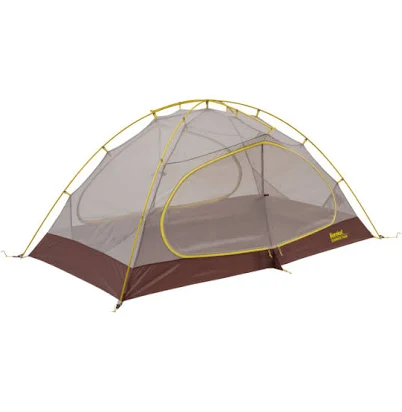
Eureka Summer Pass 3 Tent
Waterproof coating chemistry not disclosed, limiting PFAS concern assessment.
The Summer Pass 3 has polyester fabric with a waterproof coating of unspecified composition. Eureka! has no PFAS statement on record. water-repellent coating treatments have historically used PFAS, but the brand has not disclosed this tent's coating chemistry.
Still want this one anyway? Check the price on Amazon. We’d swap it.
Material
Polyester fabric with waterproof coating (composition unspecified)
Brand disclosure
Brand is silent on PFAS
Lab data
No public lab test
What Eureka Summer Pass 3 Tent is made of, ingredients and materials
The Eureka Summer Pass 3 uses polyester fabric with an applied waterproof coating whose chemical composition is not publicly disclosed. This is the critical gap, waterproof treatments on outdoor textiles are frequently formulated with PFAS (fluorinated compounds) to achieve durability and water repellency. Without Eureka's specification, you cannot confirm whether this tent uses PFAS-based or PFAS-free coating. Polyester itself is stable under normal use, but the coating's integrity and off-gassing profile depend entirely on that unknown formulation.
What’s concerning
Category baseline
The starting point for this type of product, before anything specific to this product is counted.
No PFAS disclosure
No public statement from the brand about PFAS in this product.
Waterproof / stain-resistant treatment
Water-repellent coating treatments have historically used PFAS.
PFAS
Composition of this tent's waterproof coating is undisclosed. Polyester tent coatings commonly rely on PFAS-based water-repellent coating (water-repellent coating) formulations. Without disclosure, assume possible PFAS presence unless manufacturer confirms alternative.
Source, ATSDR ↗Coating off-gassing and volatile organic compounds (VOCs)
New polyester-coated textiles may off-gas odorous compounds from the waterproof treatment during initial use and in warm conditions. This is typically temporary and not acutely hazardous but may indicate coating composition uncertainty.
Coating degradation and leaching over time
Polyester tent coatings degrade with UV exposure, heat, and mechanical wear. As coating breaks down, microparticles of the coating material and any residual treatment chemicals can shed into camping environment. This is documented across the tent category but severity depends on the unknown coating formulation.
Seam sealant or adhesive composition
Tent seams are sealed with adhesives whose composition is rarely disclosed. These may contain solvents or other chemicals that off-gas, particularly in new tents or warm conditions. Quality and safety depend on manufacturer specification, not provided here.
What’s reassuring
Flame retardants
No public records indicate Eureka uses prohibited azo dyes or added flame retardants in this model. Standard polyester fabric itself does not require either; this is a low-risk category for this brand unless additives are disclosed.
Source, EPA ↗The full breakdown
The brand's record and disclosure
Eureka! has not publicly committed to PFAS-free manufacturing or disclosed the specific waterproof treatment used in this model. The brand's silence on fluorochemical use is typical of many outdoor gear manufacturers but represents a transparency gap. No major recalls or safety controversies specific to Eureka tents are documented in public records. However, the lack of proactive disclosure is a red flag in a product category where PFAS-containing coatings remain industry standard.
How it compares in its category
Most budget and mid-range three-season tents use polyester with conventional (often PFAS-based) waterproof coatings. Eureka occupies this mainstream market position. Premium alternatives from brands like MSR or Hyperlite increasingly offer PFAS-free or disclosed-safe coatings, but at higher cost. The Summer Pass 3 is competitively priced, which often correlates with older, less transparent coating chemistries in this category.
If you buy it
Avoid exposing the tent to direct heat sources or high temperatures that could degrade the waterproof coating and potentially release volatiles. Inspect the fabric and seams annually for cracking or peeling; degraded coating is a sign to retire the tent. Store in a cool, dry place and ensure thorough drying before packing to prevent mold and coating deterioration. If you are concerned about PFAS exposure, contact Eureka directly requesting the name and composition of the waterproof treatment, and consider waiting for a transparent response before purchase.
What we don’t know
- Basis
- Model estimate, 35% confidence, not a lab result
- Lab test
- None on record for this exact product
- Brand statement
- Eureka! has made none
Formulations change between production runs, so check the current label. How we grade.
More camping tents & tarps grades
How we score, every product runs through the same public 0-100 rubric based on materials, coatings, brand disclosure, lab findings, and recalls. See the full methodology → Spotted a mistake? Report an error.