Eureka! · Camping Tents & Tarps
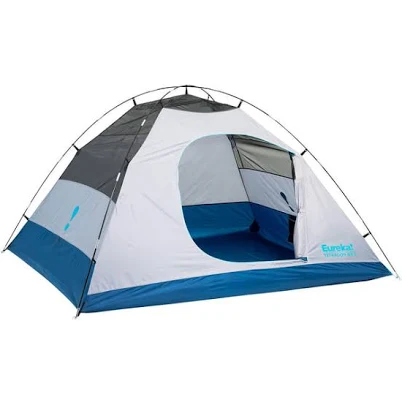
Eureka Tetragon NX 5 Person Tent
Moderate concern, tent waterproofing likely uses water-repellent coating, but the brand discloses nothing.
Camping tents typically get water-repellent coating coatings on polyester, historically PFAS-based but increasingly varied. The brand provides nothing about PFAS or legacy treatments.
Still want this one anyway? Check the price on Amazon. We’d swap it.
Material
polyester fabric with waterproof coating (type unspecified)
Brand disclosure
Brand is silent on PFAS
Lab data
No public lab test
What Eureka Tetragon NX 5 Person Tent is made of, ingredients and materials
The Eureka Tetragon NX 5 uses polyester fabric with a waterproof coating whose chemistry is not publicly specified by the brand. Polyester itself is chemically stable and non-leaching under normal use. However, the waterproofing finish is almost certainly a water-repellent coating (water-repellent coating) treatment, and without disclosure, you cannot rule out PFAS-based chemistry (PFC coatings) or newer fluorine-free alternatives. Over time, physical wear and UV exposure degrade any coating, potentially releasing microparticles.
What’s concerning
Category baseline
The starting point for this type of product, before anything specific to this product is counted.
No PFAS disclosure
No public statement from the brand about PFAS in this product.
Waterproof / stain-resistant treatment
Water-repellent coating treatments have historically used PFAS.
PFAS
Water-repellent coating finishes on polyester camping tents commonly used PFC-based chemistry historically; Eureka! does not disclose whether this product uses PFAS or PFAS-free alternatives. Skin contact during setup and tent occupancy could expose users, particularly children.
Source, ATSDR ↗Coating degradation and microparticle shedding
Waterproof coatings degrade with UV exposure, flexing, and age. Peeling or chalky residue on tent fabric or sleeping surfaces indicates coating breakdown; no testing data is available for this model specifically, but microplastics and coating particles may be inhaled or ingested during extended camping trips.
Mold and bacterial growth if stored damp
Any tent left wet or stored in humid conditions can develop mold and mildew, which produce respiratory irritants and allergens. This is a maintenance issue, not a manufacturing defect, but hygiene is critical for tent-based camping, especially with children or immunocompromised users.
What’s reassuring
Formaldehyde / VOCs
Polyester fabric used in tents is not typically treated with formaldehyde-based resins as are some apparel textiles. No recalls or complaints regarding formaldehyde off-gassing from this product line are on record.
Source, ATSDR ↗Heavy metals
Eureka! does not disclose dye chemistry or pigment sources. No safety warnings or test results for this specific model have been published; the pale coloring typical of camping tents suggests lower pigment load, but this is not verified.
Source, FDA ↗The full breakdown
The brand's record and disclosure
Eureka! does not publicly disclose the chemistry of its tent coatings or commit to PFAS-free standards, placing it in the silent majority of camping brands on this issue. No recalls or safety warnings specific to this model are on record. The brand has not pursued third-party certifications (such as OEKO-TEX or bluesign) that would signal proactive chemical vetting. This lack of transparency makes it impossible to rule out legacy PFAS use in their water-repellent coating formulations.
How it compares in its category
Most mainstream camping tents (Coleman, REI Co-op, Big Agnes) share the same disclosure gap around waterproof coatings. Brands like Hyperlite Mountain Gear and some REI house brands have begun marketing PFAS-free or PFC-free fabrics, but these are premium-priced and not yet industry standard. The Eureka Tetragon NX 5 is typical of mid-market tents in offering no chemical transparency; it is neither worse nor better in this regard than direct competitors in its price range.
If you buy it
Avoid prolonged direct skin contact with the tent interior and floor, especially for infants or pregnant users, as a precaution against any coating residues. Do not heat the tent or store it in hot vehicles for extended periods, as this can accelerate coating breakdown. Inspect the fabric regularly for peeling, cracking, or white residue; if the coating delaminates noticeably after 3-5 years, the waterproof protection is spent and recoating or replacement is warranted. Clean with mild soap and water only; avoid solvents or high-pressure washing, which accelerate coating wear.
What we don’t know
- Basis
- Model estimate, 42% confidence, not a lab result
- Lab test
- None on record for this exact product
- Brand statement
- Eureka! has made none
Formulations change between production runs, so check the current label. How we grade.
More camping tents & tarps grades
How we score, every product runs through the same public 0-100 rubric based on materials, coatings, brand disclosure, lab findings, and recalls. See the full methodology → Spotted a mistake? Report an error.