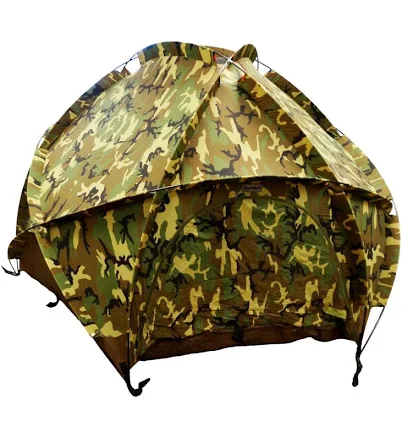
Eureka! · Camping Tents & Tarps
Extreme Cold Weather Tent (Eureka Military)
Skip until the brand discloses coating chemistry or switches to PFAS-free water-repellent coating.
Military-grade extreme cold tents use water-repellent coatings for harsh moisture. The brand won't say whether their water-repellent coating uses PFAS compounds like C6 or C8 or PFAS-free choices.
Still want this one anyway? Check the price on Amazon. We’d swap it.
Material
Nylon/polyester tent fabric with water-repellent coating (water-repellent coating) coating
Brand disclosure
Brand is silent on PFAS
Lab data
No public lab test
What Extreme Cold Weather Tent (Eureka is made of, ingredients and materials
This tent uses nylon and polyester fabrics with a water-repellent coating (water-repellent coating) coating to shed water without pooling. water-repellent coating coatings are typically applied via fluorinated compounds, though chemistry varies by manufacturer. Eureka! has not publicly disclosed whether their water-repellent coating formulation contains PFAS or PFAS-free alternatives. The nylon and polyester substrates themselves are stable polymers with low leaching risk under normal camping use, but the coating's composition is the unknown variable.
What’s concerning
Category baseline
The starting point for this type of product, before anything specific to this product is counted.
No PFAS disclosure
No public statement from the brand about PFAS in this product.
Waterproof / stain-resistant treatment
Water-repellent coating treatments have historically used PFAS.
PFAS
Eureka! has not disclosed whether the water-repellent coating contains PFAS or PFAS-free alternatives. Fluorinated water-repellent coating is standard in this product class, so PFAS presence is plausible but not confirmed by public testing or brand statement.
Source, ATSDR ↗Off-gassing of volatile organic compounds (VOC)
New nylon and polyester tents can emit minor VOCs (solvents, plasticizers) during cure and storage. This is temporary and resolves within days to weeks of airing out; no chronic toxicity is expected, but strong initial smell is common.
What’s reassuring
Nylon/polyester fiber shedding (microfiber)
Camping tents do not typically shed microfibers at meaningful rates during normal use, and microplastics from tent fabric are not a recognized hazard in outdoor recreation literature. Potential concern is limited to extreme abrasion or laundering, neither typical for tents.
Formaldehyde / VOCs
No formaldehyde-based durable press or wrinkle-resist finishes are standard in nylon or polyester tent fabrics. Military-spec tents do not typically receive such treatments, and none are reported for Eureka! products.
Source, ATSDR ↗Heavy metals
Tent fabrics for extreme cold weather applications are typically dyed with solution-dye or disperse-dye processes in polyester, which are low-risk. No reported incidents or recalls of heavy metal dyes in Eureka! tents.
Source, FDA ↗The full breakdown
The brand's record and disclosure
Eureka! (Johnson Outdoor Products subsidiary) has not published material safety data sheets, water-repellent coating chemistry, or details about PFAS presence in this product line. The brand has no known public controversies regarding tent chemical safety, but silence on water-repellent coating specifics is the industry norm rather than transparency. No third-party certifications (such as bluesign or OEKO-TEX) are advertised for this military-spec product.
How it compares in its category
Most three-season and winter camping tents use fluorinated water-repellent coating coatings because they are durable and cost-effective; few brands disclose chemistry. Premium alternatives like Big Agnes or Black Diamond occasionally highlight non-fluorinated or PFAS-free water-repellent coating, but Eureka!'s positioning as a military-grade supplier suggests performance over transparency. Extreme cold weather tents are rarely marketed with environmental or chemical safety certifications in this segment.
If you buy it
Air out the tent in open air before first use to off-gas any residual manufacturing odors. Do not store it wet or in direct heat above 60C, as extreme temperatures may degrade the water-repellent coating and could theoretically mobilize any coating residues. Inspect seams and fabric annually for UV or water damage; once water-repellent coating performance visibly declines, recoating with a third-party alternative that does not rely on PFAS chemistry (such as silicone-based products) is possible. Avoid breathing directly on fabric during setup if you notice strong chemical odors, though this is not a normal hazard for properly cured tents.
What we don’t know
- Basis
- Model estimate, 45% confidence, not a lab result
- Lab test
- None on record for this exact product
- Brand statement
- Eureka! has made none
Formulations change between production runs, so check the current label. How we grade.
More camping tents & tarps grades
How we score, every product runs through the same public 0-100 rubric based on materials, coatings, brand disclosure, lab findings, and recalls. See the full methodology → Spotted a mistake? Report an error.