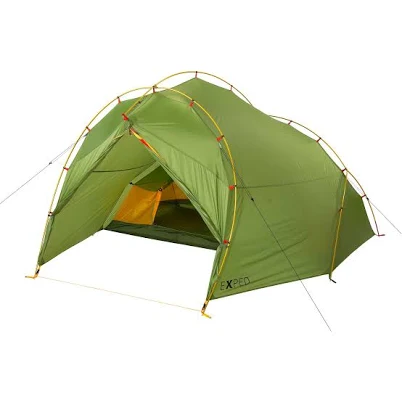
Exped Outer Space III
water-repellent coating apparel; Exped does not disclose PFAS or treatment chemistry.
Exped Outer Space III is a waterproof jacket using unspecified water-repellent coating treatment. No public PFAS disclosure or testing data available; treatment type remains unclear.
Still want this one anyway? Check the price on Amazon. We’d swap it.
Material
Polyester with water-repellent coating treatment (type unspecified)
Brand disclosure
Brand is silent on PFAS
Lab data
No public lab test
You may also be interested in
Top-graded picks in the categories readers replace first, every one scored on the same rubric.

Aqua Pure
3M Aqua-Pure AP802B Whole House Filter Housing
- polypropylene filter housing, carbon/sediment cartridge
- We found no PFAS statement from the brand
- Bacterial growth in spent cartridges
3 hazards checked on this product. See all of them.

Aquasure
Premier Series 75 GPD Under Sink Reverse Osmosis Water Filtration System
- RO membrane, carbon filters, stainless steel housing
- We found no PFAS statement from the brand
- Bacterial and microbial growth in housing and filters
4 hazards checked on this product. See all of them.

Avocado
Vegan Mattress
- organic cotton, natural latex, coconut coir, recycled steel coils
- The brand calls it PFAS-free, which we have not verified
- Heavy metals
2 hazards checked on this product. See all of them.
What Exped Outer Space III is made of, ingredients and materials
The Outer Space III is polyester with a water-repellent coating (water-repellent coating) finish. Polyester itself is chemically stable during normal wear, but the water-repellent coating treatment is the variable, manufacturers typically apply fluorinated or silicone-based water repellents to achieve that finish. Exped does not publicly disclose which chemistry they use, making it impossible to assess whether this jacket contains legacy PFOA/PFOS or newer PFAS alternatives. The fabric will shed microfibers with washing and wear, though this is not unique to this brand.
What’s concerning
Waterproof / stain-resistant treatment
Water-repellent coating treatments have historically used PFAS.
Category baseline
The starting point for this type of product, before anything specific to this product is counted.
No PFAS disclosure
No public statement from the brand about PFAS in this product.
Antimony in polyester (catalyst residue)
Polyester is synthesized using antimony trioxide as a catalyst; trace residues may remain in fabric. Levels in finished apparel are generally considered lower concern for skin contact, but precise content in this product is not published by Exped.
Formaldehyde / VOCs
Water-repellent coating finishes sometimes use formaldehyde-releasing resins to bond treatments to fabric. Exped does not specify their finish chemistry. Modern water-repellent coating formulations often avoid formaldehyde, but without disclosure, this cannot be ruled out.
Source, ATSDR ↗Microfiber shedding on washing
All polyester textiles shed synthetic fibers during laundering. This jacket will release microfibers; cumulative shedding over the life of the garment is significant. Frequency and intensity of washing directly control this hazard.
PFAS
Exped's silent stance on water-repellent coating formulation means consumers cannot verify whether this product contains traditional PFAS (PFOA/PFOS), newer short-chain PFAS, or fluorine-free alternatives. This opacity is the defining safety concern for this product.
Source, ATSDR ↗What’s reassuring
Heavy metals
No recalls or published safety incidents for Exped Outer Space III related to dyes or pigment contamination. Standard quality control in Swiss manufacturing typically avoids high-risk azo dyes, but fabric composition and dye chemistry are not disclosed.
Source, FDA ↗The full breakdown
The brand's record and disclosure
Exped is a Swiss outdoor company with no publicly available PFAS policy, testing results, or commitment to phasing out fluorinated water-repellent coating treatments. They do not disclose the specific chemistry of their water-repellent finishes. The brand has not published recalls or known safety incidents tied to this garment. Without transparency on water-repellent coating formulation, consumers cannot verify whether the product contains older persistent PFAS or newer alternatives.
How it compares in its category
Most mid-range polyester jackets with water-repellent coating finishes carry the same undisclosed PFAS risk. Brands like Patagonia, The North Face, and Arc'teryx have begun phasing toward PFAS-free or PFC-free alternatives and publish their progress; Exped has not made a public commitment. For a premium-priced outdoor brand, lack of disclosure is a notable gap compared to competitors who have adopted or are transitioning to silicone or paraffin-based water repellents.
If you buy it
Wash separately and infrequently to reduce microfiber shedding into waterways. Use cold water and a gentle cycle; hot water degrades the water-repellent coating finish faster but does not create acute hazards. Avoid dry-cleaning, which can concentrate any treatment chemicals. Do not launder with fabric softener, as this reduces water repellency. Replace when the water-repellent coating noticeably fails (water no longer beads) rather than re-treating with aftermarket sprays, since re-treatment formulations are often unlabeled.
What we don’t know
- Basis
- Model estimate, 35% confidence, not a lab result
- Lab test
- None on record for this exact product
- Brand statement
- Exped has made none
Formulations change between production runs, so check the current label. How we grade.
More camping tents & tarps grades
How we score, every product runs through the same public 0-100 rubric based on materials, coatings, brand disclosure, lab findings, and recalls. See the full methodology → Spotted a mistake? Report an error.