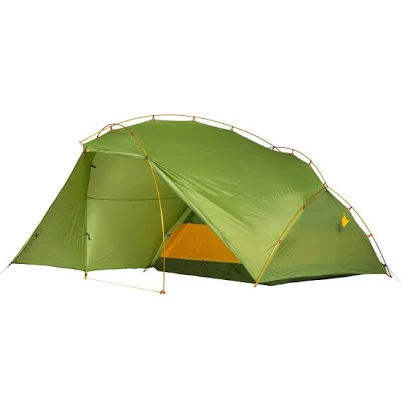
Exped Outer Space III Tent
Silent on PFAS; waterproof tent coatings often contain PFAS. Request details.
Exped does not publicly disclose PFAS status for this tent. Waterproof outdoor fabrics commonly use PFC-based water-repellent coating treatments. Direct inquiry with Exped recommended before purchase.
Still want this one anyway? Check the price on Amazon. We’d swap it.
Material
Polyester ripstop with unspecified waterproof/water-repellent coating
Brand disclosure
Brand is silent on PFAS
Lab data
No public lab test
You may also be interested in
Top-graded picks in the categories readers replace first, every one scored on the same rubric.

Aqua Pure
3M Aqua-Pure AP802B Whole House Filter Housing
- polypropylene filter housing, carbon/sediment cartridge
- We found no PFAS statement from the brand
- Bacterial growth in spent cartridges
3 hazards checked on this product. See all of them.

Aquasure
Premier Series 75 GPD Under Sink Reverse Osmosis Water Filtration System
- RO membrane, carbon filters, stainless steel housing
- We found no PFAS statement from the brand
- Bacterial and microbial growth in housing and filters
4 hazards checked on this product. See all of them.

Avocado
Vegan Mattress
- organic cotton, natural latex, coconut coir, recycled steel coils
- The brand calls it PFAS-free, which we have not verified
- Heavy metals
2 hazards checked on this product. See all of them.
What Exped Outer Space III Tent is made of, ingredients and materials
The Outer Space III uses polyester ripstop fabric, a densely woven synthetic that resists tears and is inherently lightweight. The critical unknown is the water-repellent coating (water-repellent coating) coating applied to this fabric. water-repellent coating coatings on tents historically rely on fluorinated compounds (PFAS) to achieve water shedding without blocking breathability. Exped does not publicly specify whether this tent uses fluorinated or fluorine-free water-repellent coating, making the chemical profile of the waterproofing layer opaque to consumers.
What’s concerning
Waterproof / stain-resistant treatment
Water-repellent coating treatments have historically used PFAS.
Category baseline
The starting point for this type of product, before anything specific to this product is counted.
No PFAS disclosure
No public statement from the brand about PFAS in this product.
Antimony in polyester fiber
Antimony trioxide is sometimes used as a catalyst or flame retardant additive in polyester production. Exped does not disclose use or concentration. Migration risk is minimal under normal tent use but cannot be ruled out without material safety data.
water-repellent coating degradation and chemical leaching
Any fluorinated or fluorine-free water-repellent coating will degrade over time through UV exposure, abrasion, and washing. As the coating breaks down, residual monomers or reactive components may leach if rain or moisture contacts the fabric. The undisclosed water-repellent coating chemistry makes risk assessment impossible.
Off-gassing and inhalation exposure from coating volatiles
Tents with fresh water-repellent coating applications, especially fluorinated formulations, may release volatile organic compounds (VOCs) or residual solvents, particularly when wet or in warm conditions. Ventilation during and after initial use reduces exposure; brand silence on coating composition prevents quantification.
What’s reassuring
Azo dyes in polyester fabric
Polyester ripstop in outdoor tents is typically solution-dyed or uses reactive dyes rather than azo dyes to ensure colorfastness and durability. No established reports of azo dye hazards in Exped tents.
Formaldehyde / VOCs
Polyester ripstop does not typically require formaldehyde-based wrinkle resins. The water-repellent coating is the primary finish applied post-weave, and its formulation is undisclosed by Exped.
Source, ATSDR ↗The full breakdown
The brand's record and disclosure
Exped is a Swiss outdoor brand with a reputation for durability but limited public transparency on chemical composition or waterproofing formulations. The company does not appear to publish detailed chemical inventories, restricted substance lists, or third-party certifications (such as OEKO-TEX or bluesign) for this model. No established recalls or safety controversies involving this specific tent are on record, but the silence on water-repellent coating chemistry is notable given widespread PFAS concerns in the outdoor gear industry.
How it compares in its category
Most premium 3-season tents in the Exped price range use either PFAS-based or fluorine-free water-repellent coating treatments; Exped's refusal to specify is more opaque than competitors like Hilleberg or MSR, which increasingly disclose formulations. Polyester ripstop is industry standard and presents lower chemical risk than PVC or PU-coated fabrics. The lack of transparency is the distinguishing weakness here, not the base material.
If you buy it
Store the tent dry and well-ventilated indoors; off-gassing of any volatile compounds in the coating will occur most during initial use and when wet. Do not machine wash or use harsh solvents, which can degrade the water-repellent coating and potentially mobilize chemicals. Inspect seams and fabric annually for coating wear (appearance of water beading loss); if beading fails significantly, the tent's water-shedding function decays but the polyester base remains intact. Consider contacting Exped directly to request water-repellent coating chemistry specifics before purchase if PFAS exposure is a priority concern for your household.
What we don’t know
- Basis
- Model estimate, 35% confidence, not a lab result
- Lab test
- None on record for this exact product
- Brand statement
- Exped has made none
Formulations change between production runs, so check the current label. How we grade.
More camping tents & tarps grades
How we score, every product runs through the same public 0-100 rubric based on materials, coatings, brand disclosure, lab findings, and recalls. See the full methodology → Spotted a mistake? Report an error.