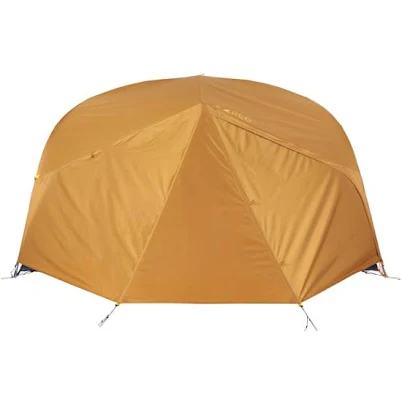
Exped Vega 2 Tent
Tent waterproofing likely uses conventional water-repellent coating; PFAS risk moderate to high, unverified.
Exped does not publicly disclose water-repellent coating chemistry or PFAS status for the Vega 2. Conventional tent coatings often contain PFAS for water repellency. No independent verification available.
Still want this one anyway? Check the price on Amazon. We’d swap it.
Material
Polyester fabric with water-repellent coating (water-repellent coating) coating
Brand disclosure
Brand is silent on PFAS
Lab data
No public lab test
You may also be interested in
Top-graded picks in the categories readers replace first, every one scored on the same rubric.

Aqua Pure
3M Aqua-Pure AP802B Whole House Filter Housing
- polypropylene filter housing, carbon/sediment cartridge
- We found no PFAS statement from the brand
- Bacterial growth in spent cartridges
3 hazards checked on this product. See all of them.

Aquasure
Premier Series 75 GPD Under Sink Reverse Osmosis Water Filtration System
- RO membrane, carbon filters, stainless steel housing
- We found no PFAS statement from the brand
- Bacterial and microbial growth in housing and filters
4 hazards checked on this product. See all of them.

Avocado
Vegan Mattress
- organic cotton, natural latex, coconut coir, recycled steel coils
- The brand calls it PFAS-free, which we have not verified
- Heavy metals
2 hazards checked on this product. See all of them.
What Exped Vega 2 Tent is made of, ingredients and materials
The Exped Vega 2 uses polyester fabric with a water-repellent coating (water-repellent coating) applied topcoat. water-repellent coating coatings shed water by reducing fabric surface tension rather than creating a waterproof barrier, and they degrade with washing and UV exposure, typically lasting 1-3 years. Most conventional water-repellent coating formulations historically relied on PFAS chemistry (fluorocarbons) because of their unique ability to repel both water and oils; newer non-fluorine alternatives exist but are less proven. Polyester itself is chemically stable and does not leach problematic compounds during normal use.
What’s concerning
Waterproof / stain-resistant treatment
Water-repellent coating treatments have historically used PFAS.
Category baseline
The starting point for this type of product, before anything specific to this product is counted.
No PFAS disclosure
No public statement from the brand about PFAS in this product.
PFAS
Conventional water-repellent coating on polyester tents typically contains fluorochemicals (PFOA, PFOS, or GenX alternatives). Exped provides no disclosure; standard industry practice suggests PFAS presence is probable but unconfirmed for this specific model.
Source, ATSDR ↗water-repellent coating degradation and re-application risk
Water-repellent coating coatings degrade over 1-3 years with UV and wash exposure. Reapplying water-repellent coating products (both fluorine-based and non-fluorine) exposes users to chemical inhalation and contaminated runoff. Using alternatives with lower PFAS concern mitigates this secondary exposure.
What’s reassuring
Azo dyes in polyester
No recalls or reports specific to Exped Vega 2 dyes. Polyester textiles can theoretically contain restricted azo dyes, but outdoor gear brands generally comply with Oeko-Tex and EU regulations. No evidence of non-compliance for this product.
Flame retardants
Backpacking tents are not regulated as flammable textiles in most jurisdictions and typically do not receive flame-retardant treatment. No flame retardants are known or expected in the Vega 2.
Source, EPA ↗Antimony in polyester
Antimony is used as a catalyst in polyester manufacturing but is tightly bound in the polymer matrix and does not migrate during normal wear or use of finished textiles. No specific concern for this product.
The full breakdown
The brand's record and disclosure
Exped does not publicly disclose the specific water-repellent coating chemistry used in the Vega 2 or state a commitment to PFAS-free treatments. The brand's website and product documentation remain silent on fluorochemical content or alternative approaches. This lack of transparency is typical of outdoor gear manufacturers, most of whom do not voluntarily phase out or label PFAS-containing treatments. Exped has no known environmental certifications (such as Bluesign or Oeko-Tex) for this model that would independently verify chemical restrictions.
How it compares in its category
Backpacking tents universally require water-repellent coating or waterproofing to function; most brands in the mid-to-premium range (including Big Agnes, MSR, Nemo) use similar polyester-plus-water-repellent coating construction without disclosing PFAS avoidance. A small number of brands (notably Hyperlite Mountain Gear) explicitly use PFAS-free water-repellent coating, but at higher cost and with shorter durability claims. The Vega 2 is materially typical for its category; the PFAS risk sits within industry norms rather than standing out as worse or better.
If you buy it
Reapply water-repellent coating every 1-2 years or after 50+ wash cycles to maintain water shedding; use a fluorine-free water-repellent coating wash product (such as Fibertreated or Granger's) to reduce cumulative PFAS exposure if you choose to refresh it. Store the tent dry and away from direct sunlight to slow coating degradation. Avoid machine washing; hand wash sparingly and only with mild soap. Expect the water-repellent finish to noticeably weaken after 3-5 years of regular use, at which point re-coating or replacement becomes practical.
What we don’t know
- Basis
- Model estimate, 45% confidence, not a lab result
- Lab test
- None on record for this exact product
- Brand statement
- Exped has made none
Formulations change between production runs, so check the current label. How we grade.
More camping tents & tarps grades
How we score, every product runs through the same public 0-100 rubric based on materials, coatings, brand disclosure, lab findings, and recalls. See the full methodology → Spotted a mistake? Report an error.