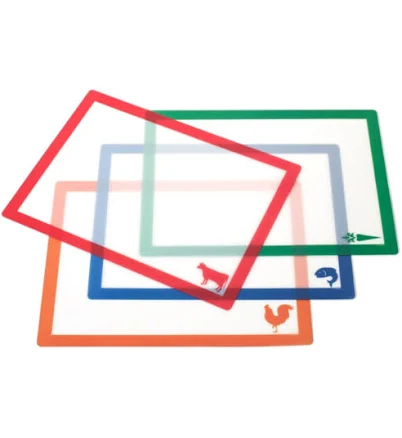
Farberware · Parchment Paper & Baking Liners
Farberware Flex Mat Set
Silicone with no coating described, and no PFAS statement from the brand.
The product information we reviewed describes silicone flex mats, with no applied coating named. Silicone releases food on its own, so a non-stick claim on a silicone product describes the material rather than a coating. The brand has published no PFAS statement for it.
We flunk more products than we pass. This one earned its grade. How we grade
Material
Silicone flex mats
Lab data
No public lab test
You may also be interested in
Top-graded picks in the categories readers replace first, every one scored on the same rubric.

- polypropylene filter housing, carbon/sediment cartridge
- We found no PFAS statement from the brand
- Bacterial growth in spent cartridges
3 hazards checked on this product, all on its full breakdown.

Aquasure
Premier Series 75 GPD Under Sink Reverse Osmosis Water Filtration System
- RO membrane, carbon filters, stainless steel housing
- We found no PFAS statement from the brand
- Bacterial and microbial growth in housing and filters
4 hazards checked on this product, all on its full breakdown.

Avocado
Vegan Mattress
- organic cotton, natural latex, coconut coir, recycled steel coils
- The brand calls it PFAS-free, which we have not verified
- Heavy metals
2 hazards checked on this product, all on its full breakdown.
What Farberware Flex Mat Set is made of, ingredients and materials
Farberware Flex Mats are made of food-grade silicone, a synthetic polymer that does not leach BPA, phthalates, or other endocrine disruptors under normal baking conditions. Silicone is chemically inert at typical oven temperatures (up to 400-500°F depending on product specification) and does not break down into microplastics or release volatile organic compounds during use. Unlike plastic baking liners or coated papers, silicone mats require no chemical coatings to achieve their non-stick and heat-resistant properties.
What’s concerning
Category baseline
The starting point for this type of product, before anything specific to this product is counted.
No PFAS disclosure
No public statement from the brand about PFAS in this product.
Silicone degradation at high heat
If used above the product's stated temperature limit or under direct flame/broiler, silicone can degrade and potentially leach trace oligomers. Farberware does not publicly specify the exact upper temperature for these mats; confirm packaging or manufacturer guidance before purchase.
Microplastics
Repeated flexing, washing, and exposure to sharp utensils can cause microscopic silicone particles to shed. Risk is low under normal use but increases with age and rough handling; no quantified data for this specific product.
Source, EPA ↗What’s reassuring
Base material not linked to PFAS
The main material recorded for this product is not one associated with PFAS.
Allergic contact dermatitis from silicone
Silicone allergies are extremely rare; no established reports link Farberware silicone mats to sensitization. However, if you have known silicone sensitivity, alternative parchment or ceramic liners may present lower concern.
Coating or chemical residues from manufacturing
Farberware silicone mats are not described as having a coating; the product is silicone throughout. No recalls or reports of residual mold-release agents or processing contaminants on this product line.
Discoloration and staining from food
Common cosmetic wear but not a safety hazard. Silicone does not absorb pigments that would migrate into food; staining is superficial and does not affect food safety.
How is this PFAS grade calculated?
The brand's record and disclosure
Farberware is a long-established cookware and kitchen-tool brand owned by Groupe SEB. The brand does not publish formal PFAS statements or third-party safety certifications specific to this product line. No recalls or safety controversies related to Farberware silicone baking mats are on public record. The brand's silence on PFAS and chemical disclosure is typical for the category but leaves independent verification limited to material composition and FDA food-contact compliance.
How it compares in its category
Silicone flex mats are among the options with lower concern in the baking liner category. Parchment paper alternatives often involve bleaching agents and sizing chemicals, while reusable silicone avoids single-use waste. Other non-stick coatings (such as Teflon-type coating-based) carry higher fume-release risks at high temperatures. Silicone mats sit in the middle ground, durable, non-toxic under normal use, but more durable and washable than disposable papers.
If you buy it
Observe the manufacturer's stated maximum temperature rating (typically 400-500°F); exceeding this can cause edge degradation and potential leaching. Wash by hand or in the dishwasher and inspect regularly for tears, cracks, or permanent discoloration, which signal replacement need. Do not use under direct broiler heat or on stovetops. Store flat or rolled loosely to prevent permanent creasing that may compromise non-stick properties over years of use.
What is not known about PFAS in this product?
- Basis
- Model estimate, 35% confidence, not a lab result
- Lab test
- None on record for this exact product
- Brand statement
- Farberware has made a specific claim
Formulations change between production runs, so check the current label. How we grade.
What are the PFAS-free alternatives to Farberware Flex Mat Set?
- silicone-coated parchment paper
- The brand calls it PFAS-free, which we have not verified
- Paper degradation and particulate shedding
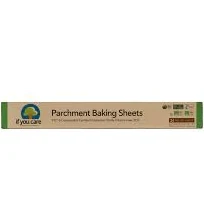
- unbleached paper with silicone coating
- The brand calls it PFAS-free, which we have not verified
- Silicone coating degradation at high heat
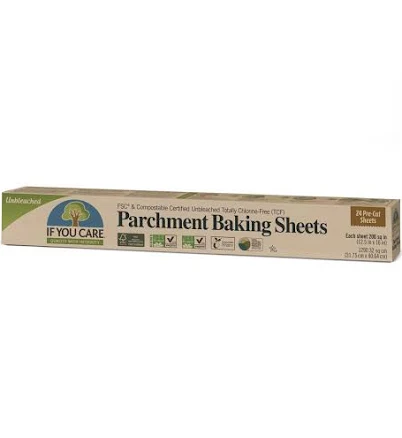
- bleached paper with silicone coating
- The brand calls it PFAS-free, which we have not verified
- Paper degradation and fragmentation
More parchment paper & baking liners grades
How we score, every product runs through the same public 0-100 rubric based on materials, coatings, brand disclosure, lab findings, and recalls. See the full methodology → Spotted a mistake? Report an error.