Farberware · Parchment Paper & Baking Liners
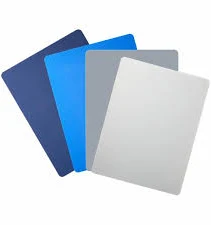
Farberware Non-Slip USA Cutting Mats, 11 x 14 Inch
Lower concern; non-coated cutting mat is unlikely PFAS source.
Farberware cutting mats are bare TPE or rubber without reported nonstick or waterproof coating. No brand PFAS disclosure exists, but material type suggests lower risk than treated cookware.
The better-graded swap
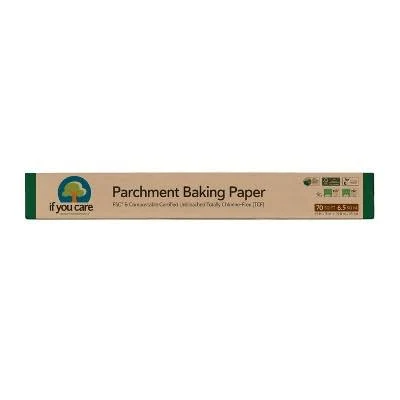
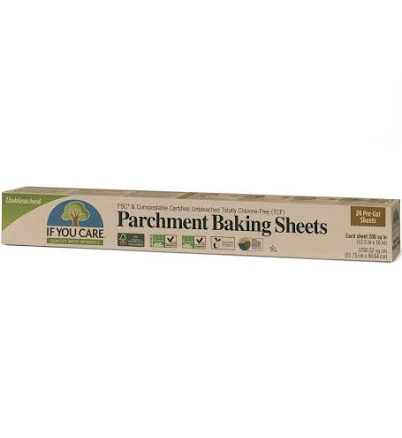
If You Care
If You Care Parchment Baking Paper
90/100 safety
Same rubric that flunked this product. The swap earned Excellent.
Still want this one anyway? Check the price on Amazon. We’d swap it.
Material
TPE (thermoplastic elastomer) or rubber base
Lab data
No public lab test
You may also be interested in
Top-graded picks in the categories readers replace first, every one scored on the same rubric.

- polypropylene filter housing, carbon/sediment cartridge
- We found no PFAS statement from the brand
- Bacterial growth in spent cartridges
3 hazards checked on this product, all on its full breakdown.

Aquasure
Premier Series 75 GPD Under Sink Reverse Osmosis Water Filtration System
- RO membrane, carbon filters, stainless steel housing
- We found no PFAS statement from the brand
- Bacterial and microbial growth in housing and filters
4 hazards checked on this product, all on its full breakdown.

Avocado
Vegan Mattress
- organic cotton, natural latex, coconut coir, recycled steel coils
- The brand calls it PFAS-free, which we have not verified
- Heavy metals
2 hazards checked on this product, all on its full breakdown.
What Farberware Non-Slip USA Cutting Mats, is made of, ingredients and materials
This mat is made from TPE (thermoplastic elastomer), a synthetic rubber blend that combines rubber-like flexibility with plastic processability. TPE manufactured to FDA standards is not a material linked to PVC, phthalates, or reactive coatings that degrade over time. The non-slip base is typically a separate rubber or TPE compound, not a chemical coating, so there is minimal leaching risk under normal cutting and storage conditions.
What’s concerning
Category baseline
The starting point for this type of product, before anything specific to this product is counted.
No PFAS disclosure
No public statement from the brand about PFAS in this product.
Volatile organic compound (VOC) off-gassing
New TPE mats may release minor odor for 24-48 hours after unpacking, which is normal curing, not a safety hazard. If odor persists beyond one week or is strong, it could indicate a manufacturing defect. Airing the mat outdoors briefly before use is a simple precaution.
Microorganism growth and biofilm
TPE and rubber surfaces can harbor bacteria if not cleaned promptly, especially in grooves or if stored damp. This is a hygiene issue, not a material toxicity issue. Hand washing and air drying immediately after use prevents this common problem.
Heat-induced material breakdown
TPE begins to soften and can off-gas above 150-160°F. Use as a cutting surface only, not under hot cookware or as a trivet. Repeated thermal stress will shorten lifespan and may release volatile compounds; monitor for stickiness or degradation.
What’s reassuring
Base material not linked to PFAS
The main material recorded for this product is not one associated with PFAS.
Phthalate leaching (plasticizers)
TPE formulations in food-contact mats do not typically contain phthalates if made to FDA standards. No phthalate contamination has been reported for Farberware cutting mats. Confirmation relies on manufacturer compliance; third-party testing would strengthen assurance.
Lead
FDA-compliant TPE and rubber for food contact must pass lead and cadmium limits. No independent testing of Farberware mats for heavy metals is publicly available, but no recalls or contamination reports exist for this product line.
Source, ATSDR ↗How is this PFAS grade calculated?
The brand's record and disclosure
Farberware (owned by Groupe SEB) maintains FDA compliance for food-contact items but does not publish detailed material safety data sheets or third-party certifications for individual cutting mats. The brand has no documented recalls or chemical contamination incidents for this product line. Farberware does not proactively disclose PFAS testing or avoidance, which is typical for rubber/TPE mat manufacturers but leaves chemical transparency below industry leaders.
How it compares in its category
TPE cutting mats present lower concern than PVC or vinyl alternatives, which can leach phthalates and plasticizers. They are comparable to silicone or rubber mats in chemical stability. Unlike paper or composite baking liners, TPE mats are reusable and do not require coating replacements. Farberware's mat is mid-range in the category; premium brands (e.g., OXO, Silikomart) offer similar TPE formulations with stronger marketing around non-toxic materials.
If you buy it
Hand wash with warm soapy water and air dry; avoid prolonged contact with bleach or harsh solvents. Do not use as a trivet or place directly on hot stovetops above 140°F, as TPE has lower heat tolerance than silicone. Replace if surface becomes sticky, cracked, or permanently stained, as these signs indicate material degradation. Store flat in a cool, dry cupboard away from direct sunlight to extend lifespan.
What is not known about PFAS in this product?
- Basis
- Model estimate, 72% confidence, not a lab result
- Lab test
- None on record for this exact product
- Brand statement
- Farberware has made a specific claim
Formulations change between production runs, so check the current label. How we grade.
What are the PFAS-free alternatives to Farberware Non-Slip USA Cutting Mats, 11 x 14 Inch?
- silicone-coated parchment paper
- The brand calls it PFAS-free, which we have not verified
- Paper degradation and particulate shedding
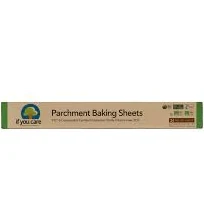
- unbleached paper with silicone coating
- The brand calls it PFAS-free, which we have not verified
- Silicone coating degradation at high heat
- bleached paper with silicone coating
- The brand calls it PFAS-free, which we have not verified
- Paper degradation and fragmentation
More parchment paper & baking liners grades
How we score, every product runs through the same public 0-100 rubric based on materials, coatings, brand disclosure, lab findings, and recalls. See the full methodology → Spotted a mistake? Report an error.