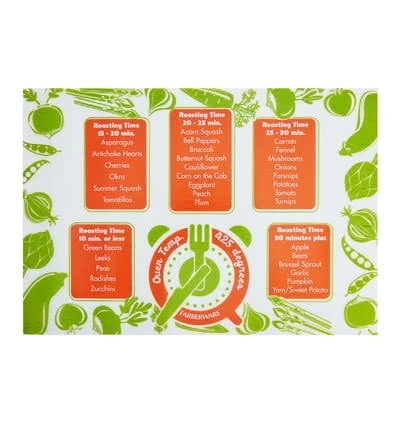
Farberware · Parchment Paper & Baking Liners
Farberware Professional Silicone Vegetable Roasting Mat
Lower concern. Silicone mat with no nonstick coating on record.
This roasting mat is silicone with no nonstick coating on record. Silicone is not a material linked to PFAS. Farberware has no PFAS statement on record for this product.
The better-graded swap
If You Care
If You Care Baking Paper, Parchment, 70 Square Feet
90/100 safety
Same rubric that flunked this product. The swap earned Excellent.
Still want this one anyway? Check the price on Amazon. We’d swap it.
Material
silicone mat, no nonstick coating
Lab data
No public lab test
You may also be interested in
Top-graded picks in the categories readers replace first, every one scored on the same rubric.

- polypropylene filter housing, carbon/sediment cartridge
- We found no PFAS statement from the brand
- Bacterial growth in spent cartridges
3 hazards checked on this product, all on its full breakdown.

Aquasure
Premier Series 75 GPD Under Sink Reverse Osmosis Water Filtration System
- RO membrane, carbon filters, stainless steel housing
- We found no PFAS statement from the brand
- Bacterial and microbial growth in housing and filters
4 hazards checked on this product, all on its full breakdown.

Avocado
Vegan Mattress
- organic cotton, natural latex, coconut coir, recycled steel coils
- The brand calls it PFAS-free, which we have not verified
- Heavy metals
2 hazards checked on this product, all on its full breakdown.
What Farberware Professional Roasting Mat is made of, ingredients and materials
This product is a food-grade silicone mat, likely a cross-linked polymer of siloxane (Si-O chains) with no applied nonstick coating like Teflon-type coating. Silicone is generally heat-stable to 400-500°F depending on formulation and does not release volatile monomers at normal baking temperatures. The absence of a Teflon-family coating eliminates the primary Teflon-type coating fume risk associated with traditional nonstick pans, and silicone does not leach aluminum, lead, or cadmium in the way glazed ceramics or certain enameled cookware can.
What’s concerning
Category baseline
The starting point for this type of product, before anything specific to this product is counted.
No PFAS disclosure
No public statement from the brand about PFAS in this product.
Silicone polymer degradation at high heat
Exposure to temperatures above the rated limit (typically 400-500°F) can cause silicone cross-links to break down and release cyclic siloxanes or oligomers. This is a user-dependent risk rather than a manufacturing defect.
Microplastic release from wear and tear
Repeated abrasion from washing, sharp utensils, or knife damage can generate fine silicone particles. While silicone is not classified as a microplastic in the same way as plastic polymers, ingestion of shed material is not well-studied in humans.
VOC or odor emissions
New silicone mats sometimes release a faint odor when first heated, attributed to residual volatile compounds from manufacturing. This typically diminishes after a few uses and is not documented to pose toxicological concern at household temperatures.
What’s reassuring
Base material not linked to PFAS
The main material recorded for this product is not one associated with PFAS.
Contamination during manufacturing or storage
No public recalls or reports document heavy metal contamination, antimicrobial additives, or other industrial residues in Farberware silicone mats. The product does not list added colorants or pigments that might introduce lead or cadmium.
Leaching into food
Silicone does not leach like ceramic glazes or aluminum. No published studies document migration of harmful substances from food-grade silicone mats into food at normal baking temperatures.
How is this PFAS grade calculated?
The brand's record and disclosure
Farberware, owned by Groupe SEB, does not publicly disclose specific material certifications or third-party toxicology testing for this silicone mat product. No major safety recalls specific to Farberware silicone baking mats have been documented in FDA or CPSC databases. The brand maintains a neutral public stance on PFAS and does not advertise PFAS-free claims, which is typical for silicone products that are inherently unlikely to contain fluorinated compounds.
How it compares in its category
Silicone mats occupy a middle ground in baking liners, lower concern than bleached parchment paper (potential chlorine residues) and non-Teflon-type coating nonstick alternatives like ceramic-coated pans, but requiring careful temperature management to avoid degradation. Unlike disposable parchment, silicone mats are reusable and avoid repeated paper consumption and potential contaminants from manufacturing. Compared to glass or bare metal baking sheets, silicone offers easier release and non-stick function without chemical coatings.
If you buy it
Respect the manufacturer's stated heat limit, typically 400-500°F; exceeding it can degrade the silicone matrix and potentially release oligomers. Hand-wash or use gentle machine wash to avoid abrasion that may compromise surface integrity over years of use. Replace the mat if you notice visible tearing, discoloration from heat damage, or persistent odor when heated. Store in a cool, dry place to extend lifespan; prolonged storage near heat sources can accelerate polymer degradation.
What is not known about PFAS in this product?
- Basis
- Model estimate, 78% confidence, not a lab result
- Lab test
- None on record for this exact product
- Brand statement
- Farberware has made a specific claim
Formulations change between production runs, so check the current label. How we grade.
What are the PFAS-free alternatives to Farberware Professional Silicone Vegetable Roasting Mat?
- silicone-coated parchment paper
- The brand calls it PFAS-free, which we have not verified
- Paper degradation and particulate shedding
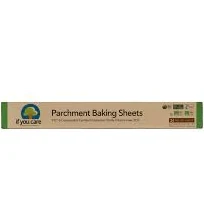
- unbleached paper with silicone coating
- The brand calls it PFAS-free, which we have not verified
- Silicone coating degradation at high heat
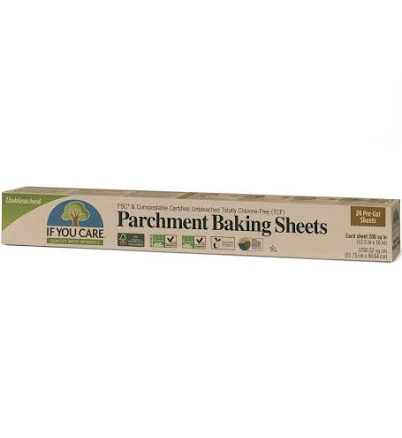
- bleached paper with silicone coating
- The brand calls it PFAS-free, which we have not verified
- Paper degradation and fragmentation
More parchment paper & baking liners grades
How we score, every product runs through the same public 0-100 rubric based on materials, coatings, brand disclosure, lab findings, and recalls. See the full methodology → Spotted a mistake? Report an error.