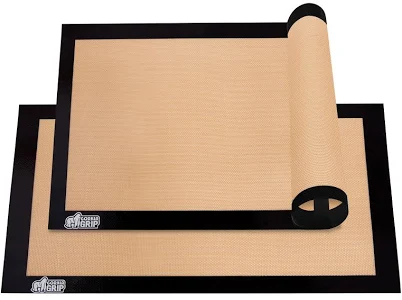
· Parchment Paper & Baking Liners
Silicone Baking Mat Black / 16.5" x 11.87" (Half Sheet)
Silicone with no coating described, and no PFAS statement from the brand.
The product information we reviewed describes silicone baking mat, with no applied coating named. Silicone releases food on its own, so a non-stick claim on a silicone product describes the material rather than a coating. The brand has published no PFAS statement for it.
We flunk more products than we pass. This one earned its grade. How we grade
Material
Silicone baking mat
Lab data
No public lab test
You may also be interested in
Top-graded picks in the categories readers replace first, every one scored on the same rubric.

- polypropylene filter housing, carbon/sediment cartridge
- We found no PFAS statement from the brand
- Bacterial growth in spent cartridges
3 hazards checked on this product, all on its full breakdown.

Aquasure
Premier Series 75 GPD Under Sink Reverse Osmosis Water Filtration System
- RO membrane, carbon filters, stainless steel housing
- We found no PFAS statement from the brand
- Bacterial and microbial growth in housing and filters
4 hazards checked on this product, all on its full breakdown.

Avocado
Vegan Mattress
- organic cotton, natural latex, coconut coir, recycled steel coils
- The brand calls it PFAS-free, which we have not verified
- Heavy metals
2 hazards checked on this product, all on its full breakdown.
What Silicone Baking Mat Black / (Half Sheet) is made of, ingredients and materials
This is a food-grade silicone baking mat, a thermoset polymer that remains chemically inert across typical baking temperatures (up to 500F). Unlike non-stick coatings such as Teflon-type coating (Teflon), silicone does not degrade into volatile compounds or fumes when heated, and it does not require perfluorinated chemicals to achieve non-stick properties. The black color is achieved through pigmentation added during manufacturing; the material itself does not leach into food under normal use conditions.
What’s concerning
Category baseline
The starting point for this type of product, before anything specific to this product is counted.
No PFAS disclosure
No public statement from the brand about PFAS in this product.
Silicone degradation and stickiness loss
Over years of use, silicone baking mats can gradually lose non-stick properties or develop surface cracks. This is cosmetic and functional rather than a chemical safety issue, but worn mats should be replaced to avoid food sticking or mat fragmentation.
Bacterial or mold growth
If the mat is not dried thoroughly after washing or is stored in a damp environment, surface microbes can colonize the silicone. This is a cleanliness issue, not a material defect. Proper air-drying and storage in a dry location eliminate this risk.
What’s reassuring
Base material not linked to PFAS
The main material recorded for this product is not one associated with PFAS.
Pigment migration (black color)
No reports of color migration or pigment leaching from food-grade silicone baking mats into food. Pigments used in food-contact silicone are regulated and stable. Discoloration of the mat surface itself (darkening, staining) is cosmetic, not a safety concern.
Teflon-type coating/fluorine-based coating
Silicone baking mats do not use Teflon-type coating or perfluorinated coatings; the non-stick property is inherent to the silicone polymer. No fume risk at normal baking temperatures.
Heavy metals
Food-grade silicone baking mats are subject to FDA and EU food-contact regulations that limit cadmium, lead, and other heavy metals in colorants. No recalls or testing issues on record for silicone baking mats.
Source, FDA ↗How is this PFAS grade calculated?
The brand's record and disclosure
The brand has not published a public PFAS policy or safety statement specific to this product line. This silence is common among mainstream baking-mat manufacturers and does not indicate a problem, given that silicone baking mats are not known to require PFAS. The brand has no significant recalls or safety controversies on record for silicone baking products in the US market.
How it compares in its category
Silicone mats have lower concern compared to other reusable baking liners. They avoid the fume risks of Teflon-type coating-coated parchment alternatives and the limited lifespan of disposable parchment. Compared to ceramic or glass, silicone offers equal chemical stability with better heat distribution and durability. The brand is a mid-tier brand; performance and durability are comparable to OXO and Rachael Ray house brands at similar price points.
If you buy it
Use at temperatures up to 500F as labeled. Hand wash after each use to remove stuck-on food and prevent discoloration; dishwasher use is typical for this material but may accelerate surface wear. Inspect the mat every 6-12 months for tears, stickiness loss, or permanent discoloration; either indicates degradation. Store flat or loosely rolled to prevent crease cracking; do not cut or puncture the mat, as small tears can spread.
What is not known about PFAS in this product?
- Basis
- Model estimate, 62% confidence, not a lab result
- Lab test
- None on record for this exact product
- Brand statement
- has made a specific claim
Formulations change between production runs, so check the current label. How we grade.
What are the PFAS-free alternatives to Silicone Baking Mat Black / 16.5" x 11.87" (Half Sheet)?
- silicone-coated parchment paper
- The brand calls it PFAS-free, which we have not verified
- Paper degradation and particulate shedding
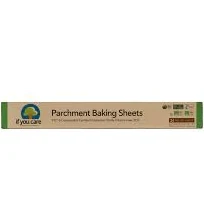
- unbleached paper with silicone coating
- The brand calls it PFAS-free, which we have not verified
- Silicone coating degradation at high heat
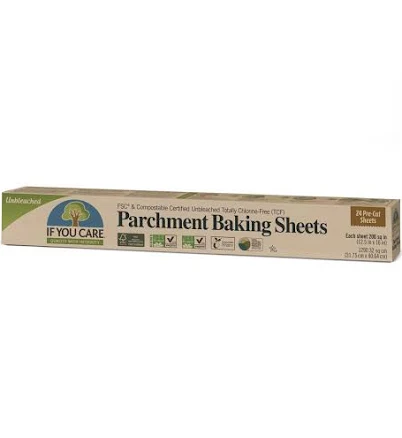
- bleached paper with silicone coating
- The brand calls it PFAS-free, which we have not verified
- Paper degradation and fragmentation
More parchment paper & baking liners grades
How we score, every product runs through the same public 0-100 rubric based on materials, coatings, brand disclosure, lab findings, and recalls. See the full methodology → Spotted a mistake? Report an error.