· Parchment Paper & Baking Liners
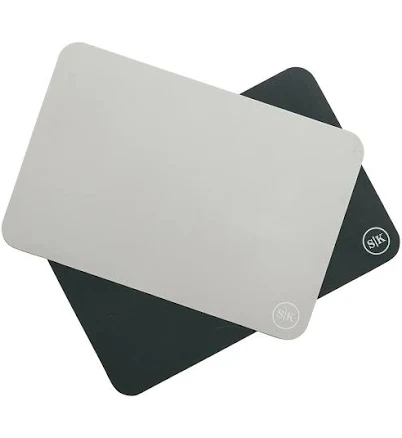
Silicone Baking Mats
Lower concern. Food-grade silicone is not a material linked to PFAS.
Silicone baking mats are made from food-grade silicone, a material not linked to PFAS. The brand has no PFAS statement on record.
The better-graded swap
If You Care
If You Care Baking Paper, Parchment, 70 Square Feet
90/100 safety
Same rubric that flunked this product. The swap earned Excellent.
Still want this one anyway? Check the price on Amazon. We’d swap it.
Material
Food-grade silicone
Lab data
No public lab test
You may also be interested in
Top-graded picks in the categories readers replace first, every one scored on the same rubric.

- polypropylene filter housing, carbon/sediment cartridge
- We found no PFAS statement from the brand
- Bacterial growth in spent cartridges
3 hazards checked on this product, all on its full breakdown.

Aquasure
Premier Series 75 GPD Under Sink Reverse Osmosis Water Filtration System
- RO membrane, carbon filters, stainless steel housing
- We found no PFAS statement from the brand
- Bacterial and microbial growth in housing and filters
4 hazards checked on this product, all on its full breakdown.

Avocado
Vegan Mattress
- organic cotton, natural latex, coconut coir, recycled steel coils
- The brand calls it PFAS-free, which we have not verified
- Heavy metals
2 hazards checked on this product, all on its full breakdown.
What Silicone Baking Mats is made of, ingredients and materials
Silicone baking mats are composed of food-grade silicone, a synthetic rubber polymer that is thermally stable and chemically inert at typical baking temperatures (up to 500°F). Silicone does not leach harmful chemicals like BPA, phthalates, or heavy metals during normal use, and does not degrade into microplastics at the temperatures encountered in home baking. The material is non-porous, making it resistant to bacterial colonization and easy to clean.
What’s concerning
Category baseline
The starting point for this type of product, before anything specific to this product is counted.
No PFAS disclosure
No public statement from the brand about PFAS in this product.
Heavy metals
Colored silicone mats (if offered by the brand) may contain synthetic pigments or mineral colorants; however, food-grade silicone suppliers are required to use non-toxic colorants. No specific testing data is publicly available for products, so residual risk is low but not independently verified.
Source, FDA ↗Wear and small particle shedding over time
Extended use and repeated washing may eventually cause microscopic silicone particles to shed; however, silicone is biologically inert and not classified as a microplastic hazard. Risk of ingestion of visible fragments is minimal if mats are inspected for tears or damage before use.
What’s reassuring
Base material not linked to PFAS
The main material recorded for this product is not one associated with PFAS.
Thermal stability and degradation
Food-grade silicone is stable to at least 500°F. No documented cases of silicone baking mats leaching chemicals or degrading into harmful compounds at normal oven temperatures. Risk of chemical migration at extreme temperatures above manufacturer specs is theoretical and not observed in consumer use.
Bacterial or mold growth
Silicone's non-porous surface actively resists bacterial colonization. Risk is negligible if mats are rinsed and dried between uses. Mold may grow on the surface only if mats are stored wet or in very humid conditions, but does not indicate a material hazard.
Adhesive or surface contaminants from manufacturing
Silicone mats carry no documented residue or adhesive issues. Washing before first use is a standard best practice to remove any manufacturing dust or residue, though no hazardous substance has been reported.
How is this PFAS grade calculated?
The brand's record and disclosure
The brand does not publicly disclose detailed manufacturing or chemical testing data for this product line, though the company markets the mats as food-grade and appropriate for kitchen use. No recalls or safety controversies specific to silicone baking mats have been documented in public databases. The brand does not appear to have pursued independent third-party certifications (such as FDA formal approval or NSF certification) for these mats, though they comply with FDA food contact material guidelines.
How it compares in its category
Silicone baking mats present lower concern for coating fume risk and integrity compared to older Teflon-coated cookware, while parchment paper may contain PFAS coatings to provide non-stick properties. Unlike reusable cloth liners or plastic mats, silicone does not off-gas volatile organic compounds and does not require replacement due to coating degradation. They are more durable and lower-waste than single-use parchment paper, though slightly more expensive upfront.
If you buy it
Rinse and dry thoroughly before first use. Do not exceed the manufacturer's stated temperature limit (typically 500°F), as extreme heat can theoretically affect silicone structure, though food contamination is not a documented risk. Hand wash in warm soapy water after each use; avoid harsh scouring pads that may scratch the surface. Replace if visible tears, discoloration, or permanent staining develops, though properly cared-for mats last several years.
What is not known about PFAS in this product?
- Basis
- Model estimate, 78% confidence, not a lab result
- Lab test
- None on record for this exact product
- Brand statement
- has made a specific claim
Formulations change between production runs, so check the current label. How we grade.
What are the PFAS-free alternatives to Silicone Baking Mats?
- silicone-coated parchment paper
- The brand calls it PFAS-free, which we have not verified
- Paper degradation and particulate shedding
- unbleached paper with silicone coating
- The brand calls it PFAS-free, which we have not verified
- Silicone coating degradation at high heat
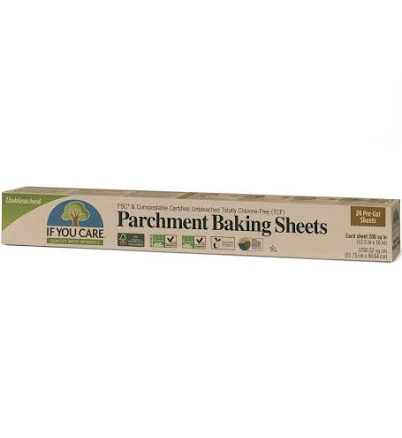
- bleached paper with silicone coating
- The brand calls it PFAS-free, which we have not verified
- Paper degradation and fragmentation
More parchment paper & baking liners grades
How we score, every product runs through the same public 0-100 rubric based on materials, coatings, brand disclosure, lab findings, and recalls. See the full methodology → Spotted a mistake? Report an error.