Ferrino · Camping Tents & Tarps
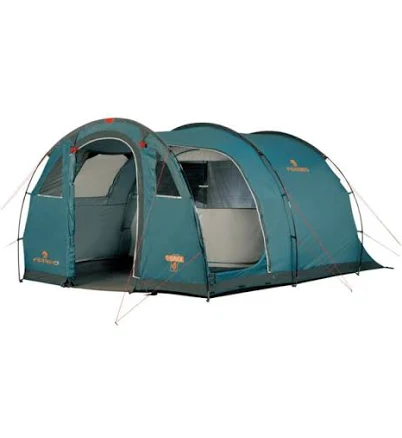
Ferrino Fenix 4 Tent
Skip until Ferrino reveals waterproof treatment chemistry; PFAS risk unclear for budget tents.
This budget dome tent has polyester with unspecified waterproof or water-repellent coating. Ferrino makes no statement on PFAS use, leaving actual content unknown.
Still want this one anyway? Check the price on Amazon. We’d swap it.
Material
Polyester fabric with waterproof coating (type unspecified)
Brand disclosure
Brand is silent on PFAS
Lab data
No public lab test
You may also be interested in
Top-graded picks in the categories readers replace first, every one scored on the same rubric.

Aqua Pure
3M Aqua-Pure AP802B Whole House Filter Housing
- polypropylene filter housing, carbon/sediment cartridge
- We found no PFAS statement from the brand
- Bacterial growth in spent cartridges
3 hazards checked on this product. See all of them.

Aquasure
Premier Series 75 GPD Under Sink Reverse Osmosis Water Filtration System
- RO membrane, carbon filters, stainless steel housing
- We found no PFAS statement from the brand
- Bacterial and microbial growth in housing and filters
4 hazards checked on this product. See all of them.

Avocado
Vegan Mattress
- organic cotton, natural latex, coconut coir, recycled steel coils
- The brand calls it PFAS-free, which we have not verified
- Heavy metals
2 hazards checked on this product. See all of them.
What Ferrino Fenix 4 Tent is made of, ingredients and materials
The Fenix 4 uses polyester fabric with an unspecified waterproof coating, a standard budget-tent approach. Polyester itself is chemically stable and does not leach BPA or phthalates. However, the waterproof treatment applied to the fabric is the critical unknown, most budget tents use either Teflon-type coating (Teflon-based) or water-repellent coating (water-repellent coating) coatings that are often PFAS-based, though some brands have moved to PFAS-free alternatives. Without Ferrino's disclosure, the coating chemistry remains opaque.
What’s concerning
Category baseline
The starting point for this type of product, before anything specific to this product is counted.
No PFAS disclosure
No public statement from the brand about PFAS in this product.
Waterproof / stain-resistant treatment
Water-repellent coating treatments have historically used PFAS.
PFAS
Ferrino has not disclosed the waterproof treatment chemistry for the Fenix 4. Most polyester budget tents use PFAS-containing water-repellent coating or Teflon-type coating coatings; non-PFAS alternatives are less common at this price point. Risk is environmental persistence and bioaccumulation rather than acute toxicity from normal tent use.
Source, ATSDR ↗Polyester fabric degradation and microplastic shedding
Polyester tents shed microfibers over their lifespan, especially if abraded or laundered. The Fenix 4's coating may slow this, but after years of field use, fiber shedding to soil and water is expected. This is a general polyester hazard, not specific to Ferrino.
Volatile organic compound (VOC) off-gassing from coating
New polyester tents with waterproof treatments often emit odors during the first few deployments due to solvent residues and coating curing. This is not acutely toxic but can be irritating in poorly ventilated spaces. Ferrino has no public documentation of emission testing or VOC limits for the Fenix 4.
Mold and bacterial growth if improperly stored
Polyester with waterproof coating can trap moisture if the tent is stored damp or in sealed bags for extended periods. Mold is a material degradant and potential respiratory irritant; this is a user-maintenance issue rather than a manufacturing defect.
Coating delamination and repair difficulty
Budget tent coatings are thinner and may delaminate or peel after several years of use. Repair patches adhere poorly and are often temporary. Replacing the tent is typically more practical than attempting to recoat or patch, creating end-of-life waste.
The full breakdown
The brand's record and disclosure
Ferrino is an established Italian outdoor-gear manufacturer (founded 1956) with a solid reputation for functional, mid-range equipment. However, the brand has not published transparency reports on waterproof coating chemistry or PFAS use across its tent line. No major safety recalls specific to the Fenix 4 are on public record. The lack of proactive disclosure on this hazard class is typical of budget-focused brands but represents a missed opportunity for consumer confidence.
How it compares in its category
The Fenix 4 is priced and positioned as a value 4-season tent; competitors at this price point (e.g., Coleman, Decathlon budget lines) typically use similar polyester-with-water-repellent coating construction. Brands with explicit PFAS-free certifications (Patagonia, some REI tents) charge significantly more and are rare in the budget segment. For occasional use, the Fenix 4 sits in the normal risk profile of its category; for frequent backpacking, higher-end alternatives with lower concern regarding PFAS offer more assurance.
If you buy it
Use the tent in well-ventilated conditions to minimize any potential fume exposure during the first few deployments (off-gassing of the waterproof coating is possible but not documented as severe for this model). Clean and dry the tent thoroughly after each trip to prevent mold growth in the fabric and to extend coating life, which typically degrades after 5-10 years of regular use depending on UV and mechanical stress. Store it loosely packed (not compressed) to avoid permanent creasing of the coated fabric. Replace it if the waterproof coating visibly flakes or delaminates, as repair is usually not practical.
What we don’t know
- Basis
- Model estimate, 45% confidence, not a lab result
- Lab test
- None on record for this exact product
- Brand statement
- Ferrino has made none
Formulations change between production runs, so check the current label. How we grade.
More camping tents & tarps grades
How we score, every product runs through the same public 0-100 rubric based on materials, coatings, brand disclosure, lab findings, and recalls. See the full methodology → Spotted a mistake? Report an error.