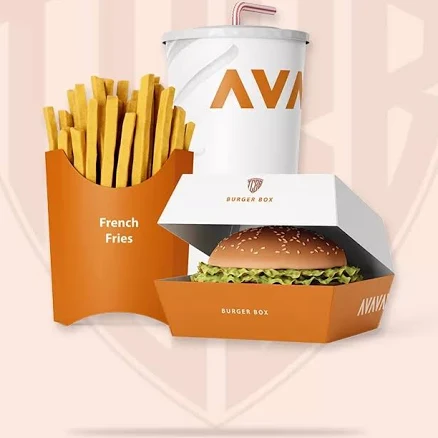
Eco-Friendly Kraft Fast Food Takeout Containers
Water-resistant barrier coating of unstated chemistry, unverified brand PFAS-free claim.
The brand states these containers are PFAS-free, an unverified claim. The kraft fiber has a water-resistant barrier coating, but the coating's chemistry is not stated on record. Water-repellent treatments have historically used PFAS.
Brand says: “The brand has announced PFAS-free compostable food containers.”
The better-graded swap
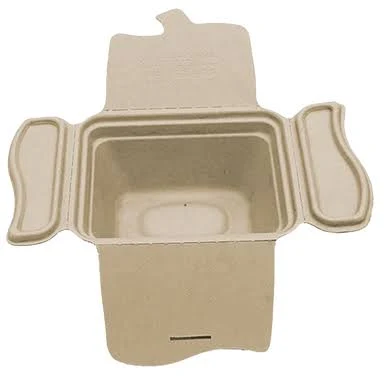
World Centric
World Centric Compostable Fiber Compost-A-Pak Containers
95/100 safety
Same rubric that flunked this product. The swap earned Excellent.
Still want this one anyway? Check the price on Amazon. We’d swap it.
Material
Kraft fiber with water-resistant barrier coating
Brand disclosure
Brand claims PFAS-free
Lab data
No public lab test
You may also be interested in
Top-graded picks in the categories readers replace first, every one scored on the same rubric.

- polypropylene filter housing, carbon/sediment cartridge
- We found no PFAS statement from the brand
- Bacterial growth in spent cartridges
3 hazards checked on this product, all on its full breakdown.

Aquasure
Premier Series 75 GPD Under Sink Reverse Osmosis Water Filtration System
- RO membrane, carbon filters, stainless steel housing
- We found no PFAS statement from the brand
- Bacterial and microbial growth in housing and filters
4 hazards checked on this product, all on its full breakdown.

Avocado
Vegan Mattress
- organic cotton, natural latex, coconut coir, recycled steel coils
- The brand calls it PFAS-free, which we have not verified
- Heavy metals
2 hazards checked on this product, all on its full breakdown.
What Eco-Friendly Kraft Fast Food Containers is made of, ingredients and materials
The brand's containers are Kraft fiber (recycled or virgin wood pulp) with an undisclosed water and grease-resistant barrier coating. Kraft itself is food-safe and biodegradable, but the barrier coating's chemistry is the critical unknown, the brand claims PFAS-free treatment, yet the specific chemical substitute (silicones, wax blends, or synthetic polymers) is not publicly detailed. Barrier coatings on food contact surfaces must resist migration into greasy or warm foods, and lack of transparency on the coating agent makes independent verification difficult.
What’s concerning
Category baseline
The starting point for this type of product, before anything specific to this product is counted.
Waterproof / stain-resistant treatment
Water-repellent coating treatments have historically used PFAS.
Migration from undisclosed barrier coating
Kraft containers rely on a water- and grease-resistant coating to prevent food contact with raw fiber. The brand's coating chemistry is not publicly disclosed despite the PFAS-free claim, leaving the identity and food-contact safety of the barrier agent unverified by third parties.
Coating degradation under heat or extended contact
No published specifications exist for the temperature tolerance or longevity of this coating when exposed to hot foods, prolonged grease contact, or microwaving. Kraft fiber itself is stable, but the barrier is the weak point.
Microbe or mold growth if stored damp
Kraft fiber retains moisture and can support microbial growth if stored in humid conditions or after water exposure. The barrier coating does not protect the internal fiber structure from moisture-driven degradation or mold.
What’s reassuring
Brand-stated PFAS-free
The brand states this product is PFAS-free. We have not verified the claim.
Formaldehyde / VOCs
Kraft fiber production and recycling do not typically involve formaldehyde, and no industry recalls link containers to formaldehyde off-gassing. This remains a theoretical risk only in poorly sourced or contaminated recycled fiber, which is not documented for this brand.
Source, ATSDR ↗Ink or dye leaching from external printing
Containers often feature colored or printed branding on the exterior. If food-contact inks are non-compliant, they could migrate into fatty foods, but no recalls or safety alerts are on record for this product line.
How is this PFAS grade calculated?
The brand's record and disclosure
The brand markets itself as an environmental and food-safety leader, with a stated PFAS-free commitment as of recent years. However, the company has not published detailed third-party testing results or Certificate of Analysis for the coating chemistry on this specific product line. No major recalls or safety violations are on record for containers, but the absence of transparent barrier-coating disclosure, even in sustainability-focused brands, is common and represents a compliance gap rather than evidence of actual hazard.
How it compares in its category
Kraft fiber containers with barrier coatings are standard in the fast-food packaging market and show lower concern than polystyrene foam or some plastics in terms of known chemical hazards. The brand's PFAS-free messaging differentiates it positively from legacy coating chemistries (PFOA, Teflon-type coating-based treatments), but peer alternatives (Huhtamaki, Vegware, some store-brand options) offer similar or equivalent safety profiles with equally opaque coating details. Compostable or uncoated kraft options exist but sacrifice grease resistance and are less practical for hot or oily foods.
If you buy it
Use these containers for room-temperature or warm (not steaming-hot) foods; prolonged contact with very hot grease or oils may stress the barrier coating. Do not microwave; the coating's heat tolerance is not specified. Store in a cool, dry place to prevent moisture penetration that could compromise the barrier. If the coating visibly degrades (flaking, darkening, or softening), discontinue use. Request the safety data sheet or coating specification from directly if you have concerns about specific ingredients.
What is not known about PFAS in this product?
- Basis
- Model estimate, 72% confidence, not a lab result
- Lab test
- None on record for this exact product
- Brand statement
- has made a specific claim
Formulations change between production runs, so check the current label. How we grade.
What are the PFAS-free alternatives to Eco-Friendly Kraft Fast Food Takeout Containers?
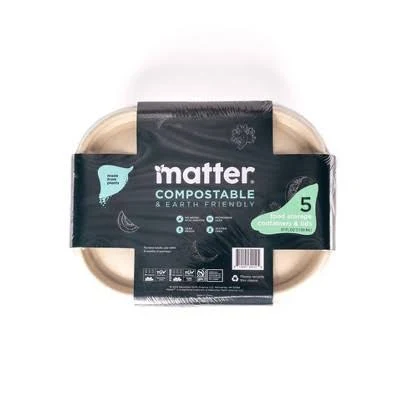
- Plant-based fiber pulp (compostable)
- A third party reports verifying it as PFAS-free
- Microbe/mold growth if stored damp
2 hazards checked on this product, all on its full breakdown.
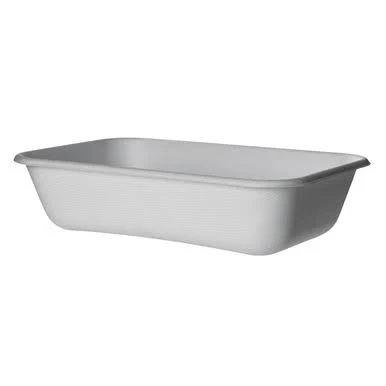
Eco-Products
Eco Products WorldView Compostable Take-Out Containers EP-SCRC32
- Plant-based fiber (compostable sugarcane bagasse)
- A third party reports verifying it as PFAS-free
- Bleaching agents and processing residues
3 hazards checked on this product, all on its full breakdown.
Eco-Products
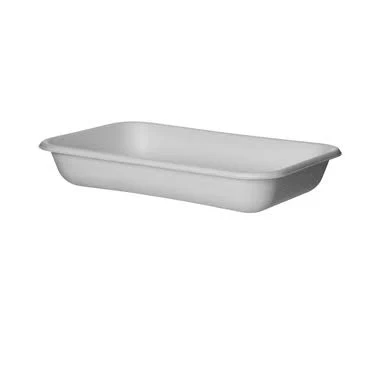
WorldView Sugarcane Take-Out Containers
- Sugarcane bagasse (post-consumer fiber)
- A third party reports verifying it as PFAS-free
- Cellulose fiber degradation and food contact
2 hazards checked on this product, all on its full breakdown.
More food packaging grades
How we score, every product runs through the same public 0-100 rubric based on materials, coatings, brand disclosure, lab findings, and recalls. See the full methodology → Spotted a mistake? Report an error.