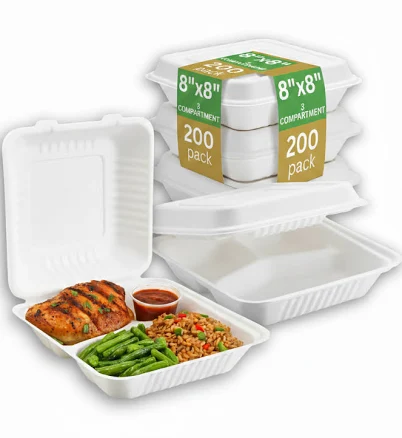
Bagasse Hinged Container 3-Compartment, PFAS Free 200pc
Good option, but request material data if the container has any coating.
The brand describes these bagasse containers as PFAS free, which we record as an unverified claim. No third-party certification is on record.
Brand says: “PFAS Free”
We flunk more products than we pass. This one earned its grade. How we grade
Material
Bagasse (sugarcane fiber pulp), uncoated or minimal coating
Brand disclosure
Brand claims PFAS-free
Lab data
No public lab test
You may also be interested in
Top-graded picks in the categories readers replace first, every one scored on the same rubric.

- polypropylene filter housing, carbon/sediment cartridge
- We found no PFAS statement from the brand
- Bacterial growth in spent cartridges
3 hazards checked on this product, all on its full breakdown.

Aquasure
Premier Series 75 GPD Under Sink Reverse Osmosis Water Filtration System
- RO membrane, carbon filters, stainless steel housing
- We found no PFAS statement from the brand
- Bacterial and microbial growth in housing and filters
4 hazards checked on this product, all on its full breakdown.

Avocado
Vegan Mattress
- organic cotton, natural latex, coconut coir, recycled steel coils
- The brand calls it PFAS-free, which we have not verified
- Heavy metals
2 hazards checked on this product, all on its full breakdown.
What Bagasse Hinged Container PFAS Free is made of, ingredients and materials
Bagasse is fiber pulp residue from sugarcane processing, pressed and molded into rigid containers without synthetic polymers. This product's material is inherently free of BPA, BPS, phthalates, and Teflon-type coating (Teflon) because it contains no plastics or Teflon-family coating coatings. The hinged clamshell design suggests a minimal or plant-based coating to reduce moisture absorption and improve barrier properties, but the extent and composition of any coating is the primary variable affecting chemical safety.
What’s concerning
Category baseline
The starting point for this type of product, before anything specific to this product is counted.
Coating leachables (if applied)
If the container uses any proprietary sealant or barrier coating, composition is typically undisclosed. Plant-based or mineral coatings are lower-risk, but synthetic polymer topcoats could introduce minor leaching; bagasse alone does not require coating for food contact.
Formaldehyde / VOCs
Industrial pulping and molding may involve formaldehyde-based binders or adhesives; no specific testing or recalls have been reported for bagasse food containers, but certification or testing data would confirm lower concern at regulated levels.
Source, ATSDR ↗Moisture-related degradation and mold growth
Bagasse fiber is hygroscopic and can support microbial growth if stored damp or used repeatedly with wet foods without drying. This is a physical/microbiological risk rather than chemical, but relevant to food safety during storage.
What’s reassuring
Base material not linked to PFAS
The main material recorded for this product is not one associated with PFAS.
Brand-stated PFAS-free
The brand states this product is PFAS-free. We have not verified the claim.
Microplastic shedding from fiber breakdown
Bagasse fiber containers do not generate microplastics by definition (they are plant-based, not synthetic polymer). Physical fiber shedding into food is theoretically possible with damaged containers but is not reported as a hazard in published literature.
BPA & bisphenols
Bagasse is not a plastic and does not inherently contain BPA or bisphenol analogs. Risk would only arise if recycled plastic contaminant or synthetic additive is present; no public record indicates this is a concern for this product line.
Source, FDA ↗How is this PFAS grade calculated?
The brand's record and disclosure
The explicit claim of lower PFAS concern indicates alignment with growing regulatory pressure and consumer demand for food packaging with reduced chemical hazard. No major product recalls or health controversies are on public record for bagasse containers from this supplier. Third-party certification status (e.g., compostability, food-contact compliance) is not confirmed in available information; verification of FDA food-contact status or equivalent certification would strengthen confidence. Transparency on coating type (if present) is important but not standard in product marketing for this category.
How it compares in its category
Bagasse containers occupy a lower-hazard niche compared to conventional foam (polystyrene) or plastic clamshells, which carry microplastic and leaching risks. They avoid the PFAS-heavy perfluorinated coatings used in some pulp-based takeout containers for grease resistance. Compared to uncoated paper or cardboard, bagasse is more moisture-resistant and suitable for wet or greasy foods, but adds processing complexity that may introduce minor chemical inputs. This product sits in the lower-concern middle of the food-packaging spectrum for chemical hazard.
If you buy it
Use for room-temperature or chilled foods; avoid direct microwave use unless explicitly labeled microwave-safe, as high heat can degrade fiber structure and any coating. Do not use for prolonged storage of fatty or acidic foods in warm conditions, as moisture and chemical exposure may accelerate breakdown. Replace containers if visible degradation, softening, or off-odors develop. Confirm the product meets FDA food-contact substance regulations or equivalent before use with sensitive populations (infants, immunocompromised).
What is not known about PFAS in this product?
- Basis
- Model estimate, 78% confidence, not a lab result
- Lab test
- None on record for this exact product
- Brand statement
- Bagasse has made a specific claim
Formulations change between production runs, so check the current label. How we grade.
What are the PFAS-free alternatives to Bagasse Hinged Container 3-Compartment, PFAS Free 200pc?
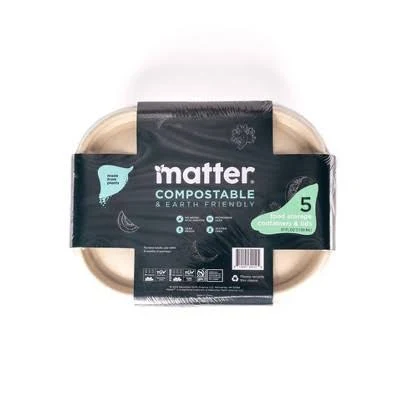
- Plant-based fiber pulp (compostable)
- A third party reports verifying it as PFAS-free
- Microbe/mold growth if stored damp
2 hazards checked on this product, all on its full breakdown.
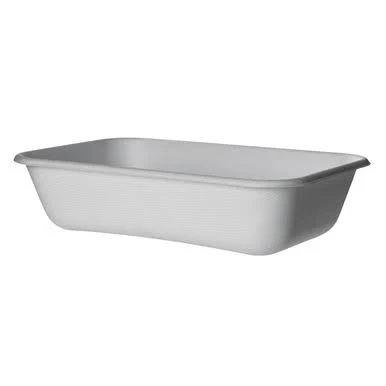
Eco-Products
Eco Products WorldView Compostable Take-Out Containers EP-SCRC32
- Plant-based fiber (compostable sugarcane bagasse)
- A third party reports verifying it as PFAS-free
- Bleaching agents and processing residues
3 hazards checked on this product, all on its full breakdown.
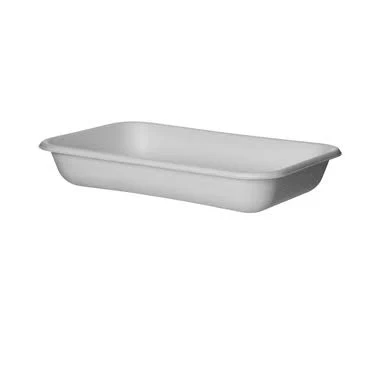
Eco-Products
WorldView Sugarcane Take-Out Containers
- Sugarcane bagasse (post-consumer fiber)
- A third party reports verifying it as PFAS-free
- Cellulose fiber degradation and food contact
2 hazards checked on this product, all on its full breakdown.
More food packaging grades
How we score, every product runs through the same public 0-100 rubric based on materials, coatings, brand disclosure, lab findings, and recalls. See the full methodology → Spotted a mistake? Report an error.