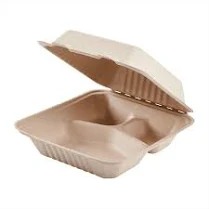
Karat Earth Pfas Free Compostable Bagasse Hinged Containers
Lower concern. Brand claims PFAS-free; bagasse inherently lacks PFAS.
Karat's bagasse hinged containers are made from uncoated sugarcane fiber and explicitly marketed as PFAS-free. No grease-resistant or water-repellent coatings typical of food-service packaging are indicated.
Brand says: “PFAS Free Compostable”
We flunk more products than we pass. This one earned its grade. How we grade
Material
bagasse (sugarcane fiber), uncoated
Brand disclosure
Brand claims PFAS-free
Lab data
No public lab test
You may also be interested in
Top-graded picks in the categories readers replace first, every one scored on the same rubric.

- polypropylene filter housing, carbon/sediment cartridge
- We found no PFAS statement from the brand
- Bacterial growth in spent cartridges
3 hazards checked on this product, all on its full breakdown.

Aquasure
Premier Series 75 GPD Under Sink Reverse Osmosis Water Filtration System
- RO membrane, carbon filters, stainless steel housing
- We found no PFAS statement from the brand
- Bacterial and microbial growth in housing and filters
4 hazards checked on this product, all on its full breakdown.

Avocado
Vegan Mattress
- organic cotton, natural latex, coconut coir, recycled steel coils
- The brand calls it PFAS-free, which we have not verified
- Heavy metals
2 hazards checked on this product, all on its full breakdown.
What Karat Earth Pfas Free Containers is made of, ingredients and materials
Karat Earth containers are molded from bagasse, the fibrous residue left after sugarcane juice extraction. Bagasse is an uncoated cellulose-based material that does not require synthetic polymers, dyes, or chemical coatings for basic food contact use. Because it is plant fiber rather than plastic or synthetic resin, it avoids the polymer-related hazards common to conventional food packaging (BPA, phthalates, styrene). The hinged design uses the same bagasse material throughout, with no separate adhesives or plastic hinges noted in product specifications.
What’s concerning
Category baseline
The starting point for this type of product, before anything specific to this product is counted.
Mold and microbial growth
Bagasse is cellulose-based and absorbs moisture. If stored in damp conditions or reused without drying, fungal or bacterial colonies may develop on the internal surfaces; proper ventilation and dry storage are essential.
Thermal degradation and structural failure
Uncoated bagasse softens above approximately 80-90°C and loses structural rigidity when exposed to high heat or steam. Risk is not chemical leaching but physical failure and potential food contact with compromised material.
Fiber shedding or particle ingestion
Degraded or damaged bagasse may shed small cellulose fibers into food, especially if the container has been compromised by moisture, heat, or mechanical stress. Inspect before use and discard if the surface is rough, separated, or disintegrating.
What’s reassuring
Base material not linked to PFAS
The main material recorded for this product is not one associated with PFAS.
Brand-stated PFAS-free
The brand states this product is PFAS-free. We have not verified the claim.
Ink or dye migration from printing
No printing, branding, or interior coating is noted in the product description. If the containers have printed logos or labeling on the exterior, those inks should be reviewed separately, but typical soy or water-based inks on food-contact bagasse carry lower concern than synthetic dyes.
Pesticide residue
Bagasse is a processed agricultural byproduct. No reports of illegal pesticide residues or undisclosed processing chemicals in Karat bagasse containers have been published; however, conventional sugarcane cultivation may involve pesticides or fertilizers that concentrate in plant tissue. Certification to compostability and food-contact standards implies testing, but organic or pesticide-free certi
Source, EPA ↗How is this PFAS grade calculated?
The brand's record and disclosure
Karat explicitly markets these containers as PFAS-free and compostable, aligning with a stated sustainability and chemical reduction strategy. The brand is recognized in foodservice packaging as a producer of bagasse and paper-based alternatives to foam and plastic. No recalls, safety violations, or undisclosed chemical incidents appear in public records for this product line. Certifications for compostability (typically BPI or ASTM D6868) support the material claims, though specific certifications for this SKU should be verified on packaging or the supplier website.
How it compares in its category
Compared to polystyrene foam containers, bagasse eliminates styrene leaching and PFAS-based water repellency treatments. Compared to compostable plastic (PLA, PHA), uncoated bagasse requires no synthetic polymer synthesis and carries no risk of microplastic shedding into food. Compared to recycled cardboard-based containers, bagasse offers better moisture resistance without requiring a polyethylene or synthetic barrier layer. This product sits in the lower-hazard segment of disposable food packaging.
If you buy it
Use these containers for room-temperature and warm foods; avoid prolonged contact with very hot (above 80-90°C / 176-194°F) liquids or oils, as fiber can soften and compromise structural integrity. Do not microwave or use in direct contact with open flame. Store in a cool, dry place; bagasse is hygroscopic and can develop mold or mildew if exposed to high humidity or pooled moisture over weeks. Check the bottom and hinges for visible damage or mold before each use; discard if fibers are waterlogged or discolored, as this indicates material breakdown.
What is not known about PFAS in this product?
- Basis
- Model estimate, 78% confidence, not a lab result
- Lab test
- None on record for this exact product
- Brand statement
- Karat has made a specific claim
Formulations change between production runs, so check the current label. How we grade.
What are the PFAS-free alternatives to Karat Earth Pfas Free Compostable Bagasse Hinged Containers?
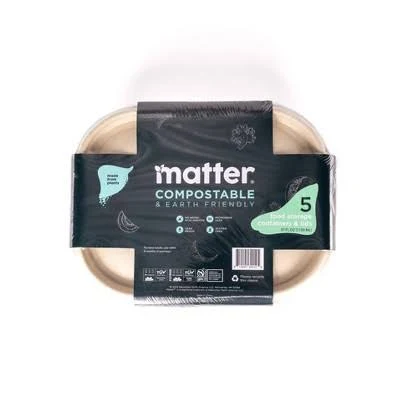
- Plant-based fiber pulp (compostable)
- A third party reports verifying it as PFAS-free
- Microbe/mold growth if stored damp
2 hazards checked on this product, all on its full breakdown.
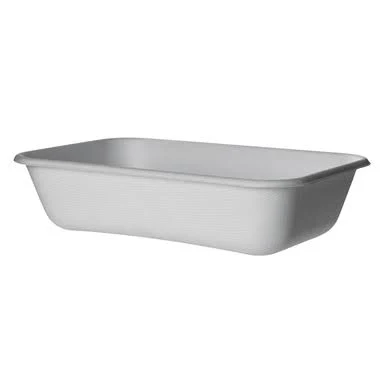
Eco-Products
Eco Products WorldView Compostable Take-Out Containers EP-SCRC32
- Plant-based fiber (compostable sugarcane bagasse)
- A third party reports verifying it as PFAS-free
- Bleaching agents and processing residues
3 hazards checked on this product, all on its full breakdown.
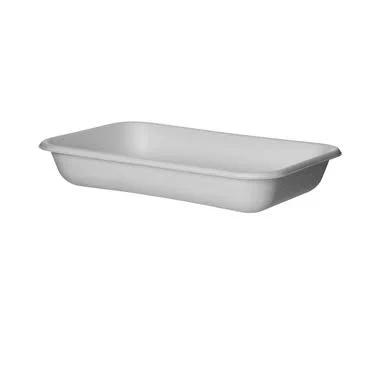
Eco-Products
WorldView Sugarcane Take-Out Containers
- Sugarcane bagasse (post-consumer fiber)
- A third party reports verifying it as PFAS-free
- Cellulose fiber degradation and food contact
2 hazards checked on this product, all on its full breakdown.
More food packaging grades
How we score, every product runs through the same public 0-100 rubric based on materials, coatings, brand disclosure, lab findings, and recalls. See the full methodology → Spotted a mistake? Report an error.