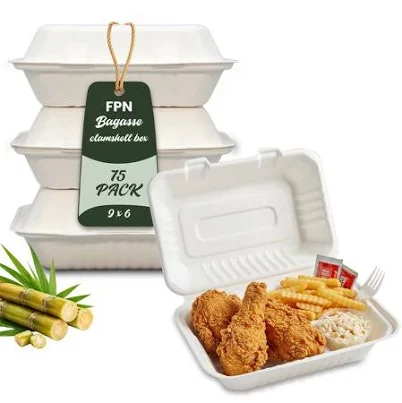
Fpn Compostable Takeout Boxes
Compostable fiber with water-resistant coating of undisclosed chemistry and unverified brand PFAS claim.
The brand states these compostable takeout boxes are PFAS-free, an unverified brand claim. The product has a water-resistant coating whose chemistry is not stated. Water-repellent treatments have historically used PFAS compounds.
Brand says: “The brand has announced PFAS-free compostable food containers.”
The better-graded swap
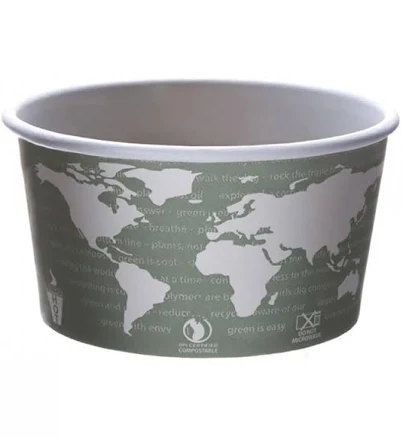
Eco-Products
Eco-Products 12 oz. World Art Compostable Food Containers 25-ct. pack
100/100 safety
Same rubric that flunked this product. The swap earned Excellent.
Still want this one anyway? Check the price on Amazon. We’d swap it.
Material
Compostable fiber with water-resistant coating
Brand disclosure
Brand claims PFAS-free
Lab data
No public lab test
You may also be interested in
Top-graded picks in the categories readers replace first, every one scored on the same rubric.

- polypropylene filter housing, carbon/sediment cartridge
- We found no PFAS statement from the brand
- Bacterial growth in spent cartridges
3 hazards checked on this product, all on its full breakdown.

Aquasure
Premier Series 75 GPD Under Sink Reverse Osmosis Water Filtration System
- RO membrane, carbon filters, stainless steel housing
- We found no PFAS statement from the brand
- Bacterial and microbial growth in housing and filters
4 hazards checked on this product, all on its full breakdown.

Avocado
Vegan Mattress
- organic cotton, natural latex, coconut coir, recycled steel coils
- The brand calls it PFAS-free, which we have not verified
- Heavy metals
2 hazards checked on this product, all on its full breakdown.
What Fpn Compostable Takeout Boxes is made of, ingredients and materials
The brand's compostable takeout boxes are made from molded fiber (typically bagasse, wheat straw, or recycled cardboard) designed to break down in industrial composting environments within 90-180 days. The water-resistant coating is the critical variable, the brand claims it is PFAS-free, but the specific chemistry (wax, bio-based polymer, or synthetic alternative) is not publicly disclosed, making independent verification impossible. Fiber itself is non-toxic and inert; the hazard profile depends entirely on the coating composition.
What’s concerning
Category baseline
The starting point for this type of product, before anything specific to this product is counted.
Waterproof / stain-resistant treatment
Water-repellent coating treatments have historically used PFAS.
Unidentified water-resistant coating chemistry
The brand claims PFAS-free but does not disclose the replacement chemistry (e.g., wax, silicone-based polymer, or fluorine-free alternatives). No recalls or adverse reports exist, but lack of transparency prevents full hazard assessment of long-term contact with food.
Coating degradation under heat or grease
Polymer or wax coatings on fiber can degrade or leach small amounts of monomers or additives when exposed to hot, fatty, or acidic foods. Risk is higher with hot takeout (soups, gravies) than cold foods. The brand's specific coating durability is not published.
Migration of coating additives into food
Fiber-based food contact materials can leach small amounts of residual monomers, plasticizers, or slip agents from the coating into high-fat or acidic foods, especially when warmed. FDA and EU guidelines exist, but the brand does not publish migration test data.
Incomplete composting of coating in home conditions
Synthetic or semi-synthetic coatings may not fully biodegrade in home compost or landfills, persisting as microplastics or fragments. Industrial composting at 55-60°C is more reliable, but many consumers lack access. The brand's marketing emphasizes industrial compostability; home composting is not guaranteed suitable for this material.
What’s reassuring
Brand-stated PFAS-free
The brand states this product is PFAS-free. We have not verified the claim.
Ink or pigment contamination (printing/branding)
Boxes typically use food-safe soy or water-based inks, and no contamination reports are on record. Standard food-contact regulation compliance is presumed but not independently verified for this specific product line.
How is this PFAS grade calculated?
The brand's record and disclosure
The brand has made a public PFAS-free commitment and markets compostable products as part of a sustainability positioning, but no third-party certification (like Home Compostable or BPI certification details) is visible in standard product documentation. The company has not faced major recalls or documented chemical safety breaches, but transparency on coating formulation remains limited. The brand's claim warrants caution, unverified statements do not equal tested safety.
How it compares in its category
Compostable fiber boxes occupy a middle ground, they avoid the PFAS certainty found in many conventional wax-coated paperboard containers, but lack the third-party chemical verification of certified compostable products. vs. polystyrene foam, fiber avoids problematic polymers but still relies on an undisclosed coating. vs. uncoated cardboard, coating is necessary for grease resistance but introduces a chemical unknown. vs. plastic-lined alternatives, fiber is theoretically lower hazard if the coating is truly PFAS-free, but lacks proof.
If you buy it
Store and use at room temperature or warm food only (below 50°C/122°F); hot liquids or fatty foods at high heat may stress the coating and increase leaching risk. Do not microwave or expose to prolonged temperatures above 60°C. Dispose of in industrial composting facilities only; home composting may not break down the coating or fiber quickly enough. If you compost at home, expect slower decomposition; check your facility's acceptance before assuming certified compostability.
What is not known about PFAS in this product?
- Basis
- Model estimate, 75% confidence, not a lab result
- Lab test
- None on record for this exact product
- Brand statement
- has made a specific claim
Formulations change between production runs, so check the current label. How we grade.
What are the PFAS-free alternatives to Fpn Compostable Takeout Boxes?
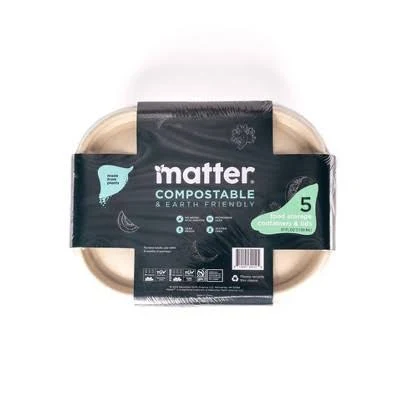
- Plant-based fiber pulp (compostable)
- A third party reports verifying it as PFAS-free
- Microbe/mold growth if stored damp
2 hazards checked on this product, all on its full breakdown.
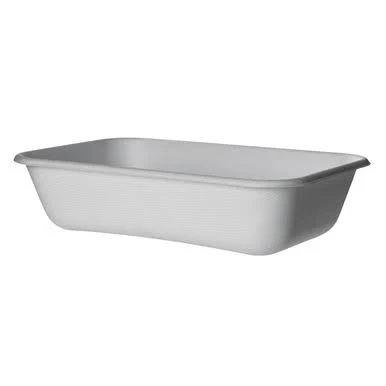
Eco-Products
Eco Products WorldView Compostable Take-Out Containers EP-SCRC32
- Plant-based fiber (compostable sugarcane bagasse)
- A third party reports verifying it as PFAS-free
- Bleaching agents and processing residues
3 hazards checked on this product, all on its full breakdown.
Eco-Products
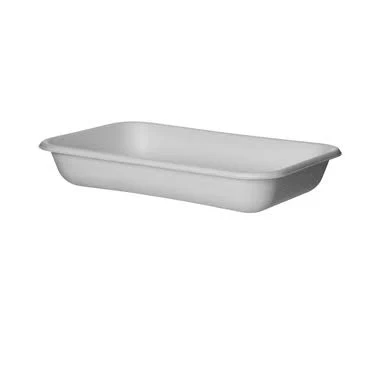
WorldView Sugarcane Take-Out Containers
- Sugarcane bagasse (post-consumer fiber)
- A third party reports verifying it as PFAS-free
- Cellulose fiber degradation and food contact
2 hazards checked on this product, all on its full breakdown.
More food packaging grades
How we score, every product runs through the same public 0-100 rubric based on materials, coatings, brand disclosure, lab findings, and recalls. See the full methodology → Spotted a mistake? Report an error.