Frieling · Parchment Paper & Baking Liners
13 x 72 Endless Parchment Sheet on Roll
Lower concern. Parchment paper typically PFAS-free, but verify with Frieling.
Frieling parchment roll is standard food-grade parchment, likely lower PFAS risk. Brand discloses no PFAS information; contact them for confirmation if concerned.
We flunk more products than we pass. This one earned its grade. How we grade
Material
parchment paper
Brand disclosure
Brand is silent on PFAS
Lab data
No public lab test
You may also be interested in
Top-graded picks in the categories readers replace first, every one scored on the same rubric.

- polypropylene filter housing, carbon/sediment cartridge
- We found no PFAS statement from the brand
- Bacterial growth in spent cartridges
3 hazards checked on this product, all on its full breakdown.

Aquasure
Premier Series 75 GPD Under Sink Reverse Osmosis Water Filtration System
- RO membrane, carbon filters, stainless steel housing
- We found no PFAS statement from the brand
- Bacterial and microbial growth in housing and filters
4 hazards checked on this product, all on its full breakdown.

Avocado
Vegan Mattress
- organic cotton, natural latex, coconut coir, recycled steel coils
- The brand calls it PFAS-free, which we have not verified
- Heavy metals
2 hazards checked on this product, all on its full breakdown.
What 13 x 72 Endless Parchment Sheet on Roll is made of, ingredients and materials
Frieling's parchment sheet is cellulose paper treated with silicone coating to create a non-stick, heat-resistant surface. The silicone layer prevents food contact with raw cellulose fibers and enables reuse across moderate temperature ranges. Parchment paper as a category does not contain the Teflon-family coating (Teflon-type coating) coatings used in non-stick cookware, so fume release during normal baking is not a documented concern.
What’s concerning
Category baseline
The starting point for this type of product, before anything specific to this product is counted.
No PFAS disclosure
No public statement from the brand about PFAS in this product.
Bleaching residues and processing chemicals
Cellulose parchment is typically chlorine-bleached or oxygen-bleached; Frieling does not disclose which process is used. Residual bleach or processing chemicals in paper are not typically measured or reported for food-contact parchment, though levels in virgin cellulose are generally low.
Heat stability and degradation byproducts
At temperatures above manufacturer limits (>450°F), silicone coatings may break down and emit low levels of volatile compounds; Frieling does not publish thermal stability testing data. Normal baking use is below this threshold.
Proprietary coating composition opacity
Frieling does not disclose the specific silicone formulation, additives, or compliance with FDA CFR 177.2600 (silicone rubber in food contact). Industry standard compliance is assumed but not verified by the brand.
What’s reassuring
Base material not linked to PFAS
The main material recorded for this product is not one associated with PFAS.
Silicone coating leaching or shedding
No documented cases of silicone migration into food from parchment paper at normal baking temperatures. Silicone is not volatile and does not off-gas; risk of particle shedding exists only if coating is visibly damaged or overheated well above recommended limits.
Microparticle or fiber release
Parchment paper does not shed microplastics (it is not plastic). Cellulose fiber migration into food is theoretically possible if paper is torn or abraded, but no health data on intake from food-contact parchment exists.
How is this PFAS grade calculated?
The brand's record and disclosure
Frieling is a cookware and kitchen tool manufacturer with no published transparency statement on PFAS or coating chemistry for this parchment roll. The brand does not advertise third-party certification for this product (e.g., Greenguard, EU Ecolabel). No recalls or safety warnings are on record for this specific parchment product as of available data.
How it compares in its category
Parchment paper rolls are a lower-chemical-concern alternative to plastic wrap (PVC, phthalate risk) and silicone mats (potential leachables at high heat). Most parchment products on the US market rely on silicone, not wax, for non-stick properties. Frieling's roll format and typical per-sheet pricing place it in the mainstream segment; no performance or safety differentiation versus store brands has been documented.
If you buy it
Use at temperatures up to approximately 420-450°F (210-232°C), consistent with silicone-coated parchment limits; do not use over open flame or under broiler elements. Replace sheets if coating shows visible tears, staining, or heavy browning, as degraded coating may shed silicone particles. Store roll in a cool, dry place away from direct heat to prevent adhesive or coating breakdown. Reuse individual sheets 2-3 times if soiled only by dry batter; discard after contact with oil or liquid at high heat.
What is not known about PFAS in this product?
- Basis
- Model estimate, 72% confidence, not a lab result
- Lab test
- None on record for this exact product
- Brand statement
- Frieling has made none
Formulations change between production runs, so check the current label. How we grade.
What are the PFAS-free alternatives to 13 x 72 Endless Parchment Sheet on Roll?
- silicone-coated parchment paper
- The brand calls it PFAS-free, which we have not verified
- Paper degradation and particulate shedding
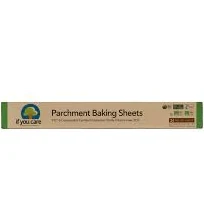
- unbleached paper with silicone coating
- The brand calls it PFAS-free, which we have not verified
- Silicone coating degradation at high heat
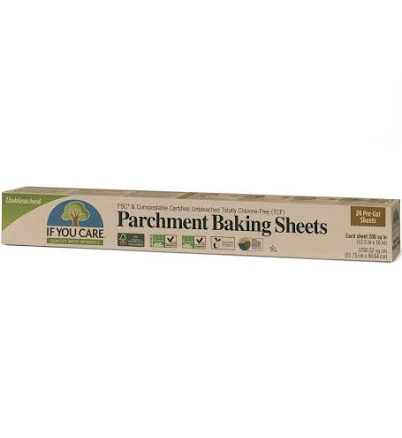
- bleached paper with silicone coating
- The brand calls it PFAS-free, which we have not verified
- Paper degradation and fragmentation
More parchment paper & baking liners grades
How we score, every product runs through the same public 0-100 rubric based on materials, coatings, brand disclosure, lab findings, and recalls. See the full methodology → Spotted a mistake? Report an error.