Frieling · Parchment Paper & Baking Liners
Parchment Sheet Roll 13 x 72 Inch
Lower concern; parchment is typically silicone-coated, not PFAS-treated.
Frieling parchment sheet rolls are standard silicone-coated parchment paper used for baking. Silicone coatings are generally considered lower concern for PFAS than Teflon-family coating or Teflon-type coating alternatives.
We flunk more products than we pass. This one earned its grade. How we grade
Material
Silicone-coated parchment paper
Brand disclosure
Brand is silent on PFAS
Lab data
No public lab test
You may also be interested in
Top-graded picks in the categories readers replace first, every one scored on the same rubric.

- polypropylene filter housing, carbon/sediment cartridge
- We found no PFAS statement from the brand
- Bacterial growth in spent cartridges
3 hazards checked on this product, all on its full breakdown.

Aquasure
Premier Series 75 GPD Under Sink Reverse Osmosis Water Filtration System
- RO membrane, carbon filters, stainless steel housing
- We found no PFAS statement from the brand
- Bacterial and microbial growth in housing and filters
4 hazards checked on this product, all on its full breakdown.

Avocado
Vegan Mattress
- organic cotton, natural latex, coconut coir, recycled steel coils
- The brand calls it PFAS-free, which we have not verified
- Heavy metals
2 hazards checked on this product, all on its full breakdown.
What Parchment Sheet Roll 13 x 72 Inch is made of, ingredients and materials
Frieling's parchment sheet roll is silicone-coated paper, not plastic or Teflon-family coating. The silicone coating provides non-stick and moisture-resistant properties without requiring fluorinated compounds (PFAS). Silicone at typical baking temperatures (up to 420-450°F) does not degrade or leach into food based on available usage data. The paper substrate itself is cellulose and poses no chemical hazard when unbleached or bleached with standard food-grade processes.
What’s concerning
Category baseline
The starting point for this type of product, before anything specific to this product is counted.
No PFAS disclosure
No public statement from the brand about PFAS in this product.
Coating degradation and flaking into food over time
With age, improper storage, or folding, silicone coating can lose adhesion or crack. Visible damage is the only reliable trigger to discard; no evidence of accelerated degradation in Frieling's formulation.
What’s reassuring
Base material not linked to PFAS
The main material recorded for this product is not one associated with PFAS.
Silicone coating leaching at high temperature
No published recalls or testing reports document silicone migration into food at typical home-baking temperatures (up to 425°F). Silicone is inert at these temperatures.
Paper substrate contaminants or bleaching byproducts
Frieling does not specify whether paper is chlorine-free or unbleached. Standard food-grade parchment uses oxygen or peroxide bleaching, which leaves no dioxin residue on record for this product category.
Microplastics
Silicone is not classified as plastic and does not fragment into microplastics in the way polyethylene or polypropylene do. No studies on silicone-coated parchment shedding are on record.
Source, EPA ↗Formaldehyde / VOCs
Silicone coatings do not require formaldehyde-based binders. Paper sizing may contain trace formaldehyde, but food-contact grades are subject to FDA limits; Frieling has no reported violations.
Source, ATSDR ↗How is this PFAS grade calculated?
The brand's record and disclosure
Frieling does not publicly disclose detailed PFAS testing or sourcing statements for this product line. The brand has no documented recalls or safety controversies linked to their parchment products. No third-party certifications (NSF, FDA pre-approval, or similar) are advertised for this roll. Absence of disclosure does not indicate a problem; it reflects the general lack of transparency in the parchment category.
How it compares in its category
Silicone-coated parchment is the mainstream non-toxic alternative to Teflon-type coating (Teflon-coated) paper and wax paper. Unlike wax-coated parchment, silicone coatings do not soften or migrate into greasy foods at high heat. This product is typical of food-service-grade parchment; competitive rolls (Kirkland, If You Care, Regency) use the same silicone-coating technology with similar heat ratings.
If you buy it
Use this parchment up to the manufacturer's stated heat limit (typically 420-450°F); do not use above that range, as paper substrate can char. Replace the roll after visible discoloration, tearing, or loss of non-stick performance. Store in a cool, dry place away from direct sunlight to prevent silicone degradation over extended shelf life. Avoid prolonged contact with high-fat foods at temperatures above 400°F, as some silicone migration under extreme conditions is theoretically possible, though not documented as a practical risk in home baking.
What is not known about PFAS in this product?
- Basis
- Model estimate, 72% confidence, not a lab result
- Lab test
- None on record for this exact product
- Brand statement
- Frieling has made none
Formulations change between production runs, so check the current label. How we grade.
What are the PFAS-free alternatives to Parchment Sheet Roll 13 x 72 Inch?
- silicone-coated parchment paper
- The brand calls it PFAS-free, which we have not verified
- Paper degradation and particulate shedding
- unbleached paper with silicone coating
- The brand calls it PFAS-free, which we have not verified
- Silicone coating degradation at high heat
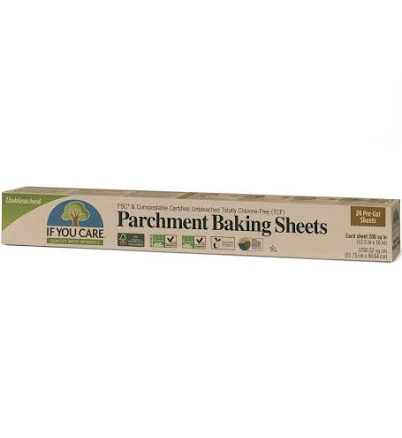
- bleached paper with silicone coating
- The brand calls it PFAS-free, which we have not verified
- Paper degradation and fragmentation
More parchment paper & baking liners grades
How we score, every product runs through the same public 0-100 rubric based on materials, coatings, brand disclosure, lab findings, and recalls. See the full methodology → Spotted a mistake? Report an error.