World Centric · Food Packaging
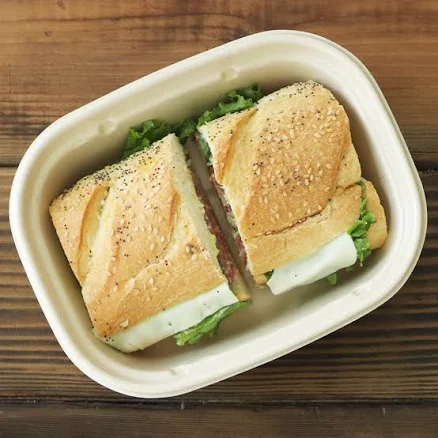
World Centric Fiber Containers
A water-repellent or grease-resistant treatment of unstated chemistry, with a brand PFAS statement we have not verified.
World Centric says its Leaf Plus molded fiber solution is PFAS free. We record that as an unverified brand claim. Its record describes a water-repellent or grease-resistant treatment of unstated chemistry, which is still counted.
Brand says: “World Centric says its Leaf Plus molded fiber solution is PFAS free.”
The better-graded swap
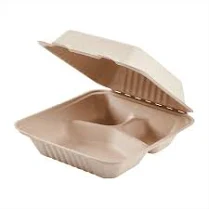
Karat
Karat Earth Pfas Free Compostable Bagasse Hinged Containers
95/100 safety
Same rubric that flunked this product. The swap earned Excellent.
Still want this one anyway? Check the price on Amazon. We’d swap it.
Material
Fiber pulp with water/grease-resistant coating
Brand disclosure
Brand claims PFAS-free
Lab data
No public lab test
You may also be interested in
Top-graded picks in the categories readers replace first, every one scored on the same rubric.

- polypropylene filter housing, carbon/sediment cartridge
- We found no PFAS statement from the brand
- Bacterial growth in spent cartridges
3 hazards checked on this product, all on its full breakdown.

Aquasure
Premier Series 75 GPD Under Sink Reverse Osmosis Water Filtration System
- RO membrane, carbon filters, stainless steel housing
- We found no PFAS statement from the brand
- Bacterial and microbial growth in housing and filters
4 hazards checked on this product, all on its full breakdown.

Avocado
Vegan Mattress
- organic cotton, natural latex, coconut coir, recycled steel coils
- The brand calls it PFAS-free, which we have not verified
- Heavy metals
2 hazards checked on this product, all on its full breakdown.
What World Centric Fiber Containers is made of, ingredients and materials
World Centric Fiber Containers are molded from fiber pulp (typically virgin or recycled paper pulp) with an applied water and grease-resistant coating of undisclosed chemistry. The coating is critical because untreated pulp absorbs oils and moisture, making it unsuitable for food contact, but the identity of that coating directly affects safety. The brand claims PFAS-free formulation, but the specific alternative chemistry (whether wax-based, silicone-based, or synthetic polymer) is not publicly stated, limiting independent verification of safety.
What’s concerning
Category baseline
The starting point for this type of product, before anything specific to this product is counted.
Waterproof / stain-resistant treatment
Water-repellent coating treatments have historically used PFAS.
Unidentified grease-resistant coating chemistry
The water and grease-resistant treatment is not publicly named. While World Centric claims PFAS-free status, the replacement chemistry is unknown; potential alternatives (silicones, synthetic polymers, water-based acrylics) carry varying toxicity profiles that cannot be assessed without disclosure. This represents a data gap rather than a confirmed risk, but limits informed choice.
Coating degradation under stress
Fiber containers with applied coatings can experience delamination or breakdown if exposed to prolonged moisture, high heat, or acidic/fatty foods. Degraded coating may release fibers or particles into food, though toxicity depends on the coating chemistry itself. Users should inspect containers for visible wear before food contact.
Migration of coating additives
Unknown coating formulation means unknown additives (plasticizers, cross-linkers, or antimicrobial agents). Cold or room-temperature migration risk is typically low for pulp-based systems, but warm or fatty foods could mobilize trace constituents from an unspecified resin system.
Lack of third-party coating validation
No evidence of NSF, FDA, or independent laboratory certification of the coating chemistry is publicly available. For a company positioned as sustainable and transparent, this gap is noteworthy and suggests the need for clearer disclosure to users who prioritize chemical safety.
What’s reassuring
Brand-stated PFAS-free
The brand states this product is PFAS-free. We have not verified the claim.
Pulp fiber fragmentation and microparticles
Properly manufactured and coated fiber containers do not shed pulp fibers into food under normal use. However, if coating integrity is compromised (damage, degradation, or manufacturing defect), loose fibers could enter food; this is a mechanical rather than chemical hazard, but relevant to food safety.
How is this PFAS grade calculated?
The brand's record and disclosure
World Centric is a Certified B Corporation and member of the Sustainable Packaging Coalition, signaling commitment to environmental responsibility. The company makes a public PFAS-free claim but does not disclose the replacement coating chemistry on product labeling or readily accessible safety documents. No major recalls or contamination incidents are on record for this product line. The lack of detailed coating specification (safety data sheet, technical summary, or third-party certification of the coating alternative) is notable given the brand's otherwise transparent positioning.
How it compares in its category
Fiber-based food containers (as opposed to plastic clamshells or foam) are considered a lower-risk category for food packaging because pulp itself is inert and well-established in food service. World Centric's PFAS-free claim positions it ahead of many traditional fiber container makers, which historically relied on PFAS-based Teflon-family coating coatings. However, without disclosed coating chemistry, it sits in a middle ground, safer than legacy PFAS options but less transparent than containers with named, certified coatings (e.g., explicit wax, or third-party validation of the resin system).
If you buy it
Use for cold to warm foods (not high-heat applications like oven-reheating or direct contact with temperatures above 180F, which can degrade unknown coatings). Do not microwave or place in dishwasher; hand-rinse and air-dry if reusing is intended, though single-use is the design intent. Store in cool, dry conditions away from prolonged direct sunlight or heat to minimize coating stress. Request a technical data sheet or contact World Centric directly for specific information on the coating polymer if you have concerns about particular uses or allergies.
What is not known about PFAS in this product?
- Basis
- Model estimate, 72% confidence, not a lab result
- Lab test
- None on record for this exact product
- Brand statement
- World Centric has made a specific claim
Formulations change between production runs, so check the current label. How we grade.
What are the PFAS-free alternatives to World Centric Fiber Containers?
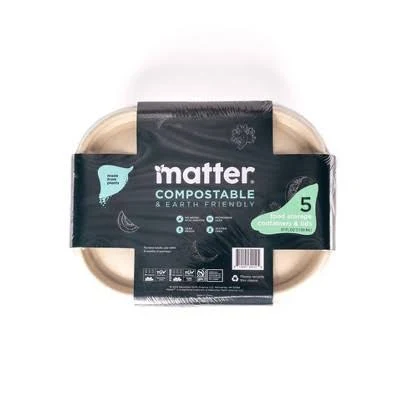
- Plant-based fiber pulp (compostable)
- A third party reports verifying it as PFAS-free
- Microbe/mold growth if stored damp
2 hazards checked on this product, all on its full breakdown.
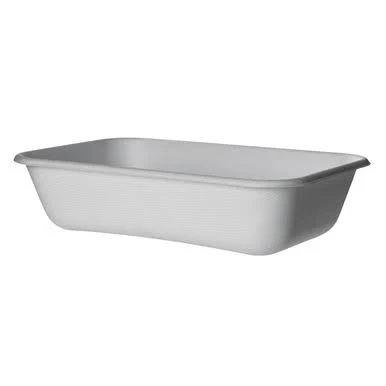
Eco-Products
Eco Products WorldView Compostable Take-Out Containers EP-SCRC32
- Plant-based fiber (compostable sugarcane bagasse)
- A third party reports verifying it as PFAS-free
- Bleaching agents and processing residues
3 hazards checked on this product, all on its full breakdown.
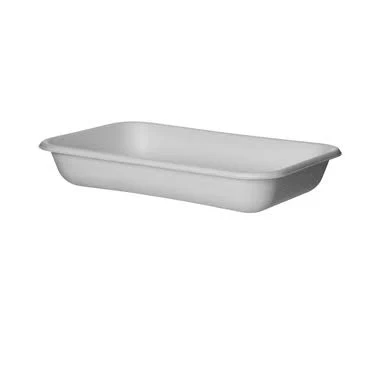
Eco-Products
WorldView Sugarcane Take-Out Containers
- Sugarcane bagasse (post-consumer fiber)
- A third party reports verifying it as PFAS-free
- Cellulose fiber degradation and food contact
2 hazards checked on this product, all on its full breakdown.
More food packaging grades
How we score, every product runs through the same public 0-100 rubric based on materials, coatings, brand disclosure, lab findings, and recalls. See the full methodology → Spotted a mistake? Report an error.