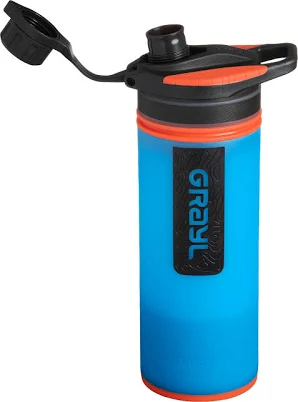
GRAYL GEOPRESS PURIFIER BOTTLE
Lower concern. Carbon filters unlikely to contain PFAS, but brand silent.
Grayl uses coconut-based activated carbon for filtration, a material not typically associated with PFAS. Brand provides no explicit PFAS disclosure or testing.
We flunk more products than we pass. This one earned its grade. How we grade
Material
Activated coconut carbon filter, plastic housing
Brand disclosure
Brand is silent on PFAS
Lab data
No public lab test
What GRAYL GEOPRESS PURIFIER BOTTLE is made of, ingredients and materials
The GeoPRESS housing is made from BPA-free, food-grade copolyester plastic (Tritan or similar), which does not leach endocrine disruptors under normal cold-water use. The filtration core uses activated coconut-shell carbon and ion-exchange resin; coconut carbon is inert when properly manufactured and does not shed microplastics into filtered water under normal squeezing pressure. The filter element itself is not heated, eliminating thermal degradation risk to plastic housing during use.
What’s concerning
No PFAS disclosure
No public statement from the brand about PFAS in this product.
Bacterial growth and biofilm in filter cartridge
If replacement schedule is not followed or bottle sits unused for >2 weeks between uses, bacteria and mold can colonize the porous carbon bed. This is a maintenance-dependent risk, not a manufacturing defect, and is common to all portable squeeze filters.
Filter cartridge saturation and contaminant breakthrough
If used beyond 150 gallons or stored for extended periods, the carbon becomes saturated and ceases to remove chlorine, taste, and odor; some pathogens may pass through. This is a functional failure rather than a toxicity hazard but affects water quality assurance.
Housing seal degradation and valve leakage
The squeeze valve and silicone seals can wear or degrade with repeated use over 1-2 years, potentially allowing unfiltered water to bypass the cartridge. This is not a chemical hazard but compromises the filter's protective function.
What’s reassuring
Base material not linked to PFAS
The main material recorded for this product is not one associated with PFAS.
BPA & bisphenols
Grayl uses BPA-free Tritan copolyester, which is not known to leach endocrine-active compounds into cold water. No reported incidents or third-party test results documenting leachate from the GeoPRESS housing are on record.
Source, FDA ↗Microplastic shedding from filter or housing
Coconut-activated carbon is a solid pre-formed block, not a loose granular material, so it does not shed particles into filtered water under normal squeeze pressure. The plastic housing does not degrade in cold-water use.
The full breakdown
The brand's record and disclosure
Grayl publishes NSF/ANSI 42 and 53 certification for contaminant reduction claims and is transparent about replacement intervals (every 150 gallons or 3 months, whichever comes first). The company does not publicly disclose PFAS testing or absence statements, despite PFAS being relevant to water filters; this silence is typical but not ideal for consumer trust. No major recalls or contamination incidents are on record for this product line.
How it compares in its category
Portable squeeze filters like the GeoPRESS avoid the electrical and complex housing hazards of pitcher or faucet filters, reducing leaching risk from electronic components or multi-material assemblies. Coconut-carbon filters are widely regarded as lower concern than granular activated carbon in bulk form because they are pre-consolidated and do not shed particles. The replacement cadence is more frequent than pitcher filters but reduces the risk of biofilm and bacterial overgrowth compared to long-term cartridge storage.
If you buy it
Replace the filter cartridge every 150 gallons or 3 months, whichever comes first, to prevent bacterial colonization inside the filter bed. Do not expose the bottle to direct heat or freeze, as thermal shock can compromise the plastic seals; store at room temperature. Rinse the housing with clean water weekly and air-dry between uses to avoid stagnant water and mold in the squeeze chamber. Do not use for hot water; the Tritan housing is rated for cold liquids only.
What we don’t know
- Basis
- Model estimate, 72% confidence, not a lab result
- Lab test
- None on record for this exact product
- Brand statement
- Grayl has made none
Formulations change between production runs, so check the current label. How we grade.
Better-graded alternatives in Water Filters
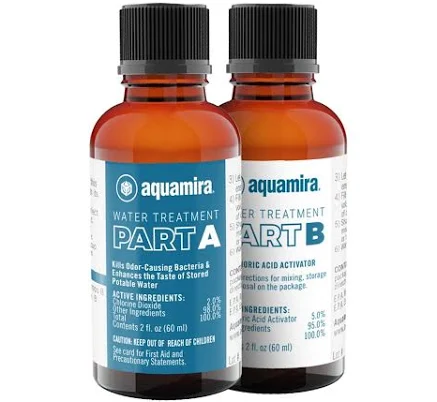
Aquamira
Water Storage Treatment 2 oz Glass Bottles 60 gallons Purification
- glass bottles, sodium dichloroisocyanurate treatment chemical
- We found no PFAS statement from the brand
- Chemical overdose or misuse
5 hazards checked on this product. See all of them.
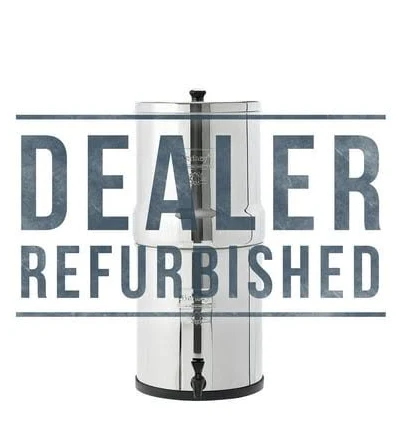
Big Berkey
Empty Housing with NO Filters Included
- Stainless steel housing and spigot
- We found no PFAS statement from the brand
- Bacterial growth and biofilm if filters not replaced
5 hazards checked on this product. See all of them.
LifeStraw
Home Glass Water Filter Pitcher
- Borosilicate glass pitcher, replaceable activated-carbon filter cartridge
- Bacterial growth in filter cartridge if unmaintained
5 hazards checked on this product. See all of them.
More water filters grades
How we score, every product runs through the same public 0-100 rubric based on materials, coatings, brand disclosure, lab findings, and recalls. See the full methodology → Spotted a mistake? Report an error.