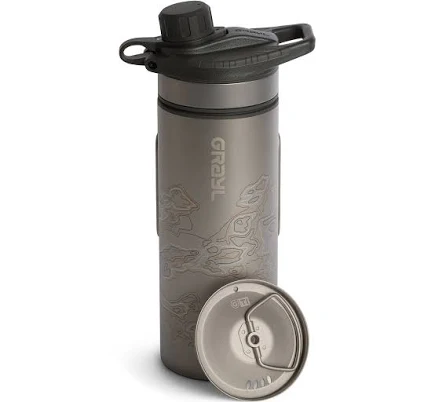
Grayl GeoPress Ti Purifier
Lower PFAS concern; portable water filters rarely use PFAS, but Grayl doesn't disclose, verify directly.
Titanium-composite housing and coconut-activated carbon are materials not typically associated with PFAS. Grayl provides no public PFAS disclosure or testing documentation.
We flunk more products than we pass. This one earned its grade. How we grade
Material
Titanium-reinforced thermoplastic, activated coconut-carbon filter
Brand disclosure
Brand is silent on PFAS
Lab data
No public lab test
What Grayl GeoPress Ti Purifier is made of, ingredients and materials
The GeoPress Ti uses a titanium-reinforced thermoplastic casing, which is chemically inert and does not leach metals or BPA under normal use conditions. The filter core is coconut-activated carbon, a porous adsorbent material that binds contaminants rather than releasing them into water. Titanium is a biocompatible metal chosen specifically to avoid aluminum or stainless steel corrosion concerns. The thermoplastic shell is engineered for impact resistance without requiring heavy flame retardants or softening agents like phthalates.
What’s concerning
No PFAS disclosure
No public statement from the brand about PFAS in this product.
Bacterial growth in filter media
Activated carbon, while not a material linked to PFAS concerns, can harbor bacteria if the filter saturates or remains moist between uses. Risk is low with proper maintenance and cartridge replacement.
Thermoplastic degradation and leaching
Extended exposure to high heat, UV, or acidic water could theoretically degrade the thermoplastic over years; titanium reinforcement mitigates this relative to unreinforced plastic bottles, but no published testing confirms long-term leaching profiles.
Filter cartridge integrity loss
Coconut-carbon cartridges can crack or develop bypass channels if dropped or pressurized incorrectly, allowing unfiltered water to pass. Product design minimizes this, but physical damage in field use is always a risk.
What’s reassuring
Base material not linked to PFAS
The main material recorded for this product is not one associated with PFAS.
Heavy metals
No recalls or documented cases of lead, cadmium, or antimony contamination from GeoPress Ti filters or titanium housings. Titanium and coconut-based materials carry lower inherent heavy-metal risk than ceramic glazes or certain resin types.
Source, FDA ↗Formaldehyde / VOCs
Titanium-reinforced thermoplastic does not rely on formaldehyde-releasing resins or flame-retardant coatings typical of cheaper plastic bottles. No off-gassing complaints documented.
Source, ATSDR ↗The full breakdown
The brand's record and disclosure
Grayl does not publicly disclose detailed material sourcing, third-party testing, or explicit statements about PFAS, heavy metals, or chemical certifications on their website or product documentation. The company has not published recalls related to leaching or contamination. No independent safety controversies are documented in public records. The lack of transparency around filter composition and manufacturing is notable, though not uncommon for smaller outdoor product brands.
How it compares in its category
Portable water filters typically use plastic housings (BPA/phthalate risk) or stainless steel (higher cost, no leaching risk). The titanium-reinforced thermoplastic in the GeoPress Ti avoids both typical failure modes, it resists BPA exposure better than standard polycarbonate, and it avoids the cost and weight penalties of full metal construction. Coconut-carbon filters are a standard industry choice and pose lower risk than ion-exchange resins or granular media that can shed particulates if damaged.
If you buy it
Replace the filter cartridge every 150 gallons or per manufacturer guidance to prevent bacterial colonization in a saturated carbon bed. Do not expose the bottle to prolonged sunlight or temperatures above 140F, which could degrade the thermoplastic seal and reduce filter seal integrity. Rinse the filter under clean running water before first use. Store dry between use; standing water in a used filter can harbor microbes even if the filter itself remains chemically stable.
What we don’t know
- Basis
- Model estimate, 72% confidence, not a lab result
- Lab test
- None on record for this exact product
- Brand statement
- Grayl has made none
Formulations change between production runs, so check the current label. How we grade.
Better-graded alternatives in Water Filters
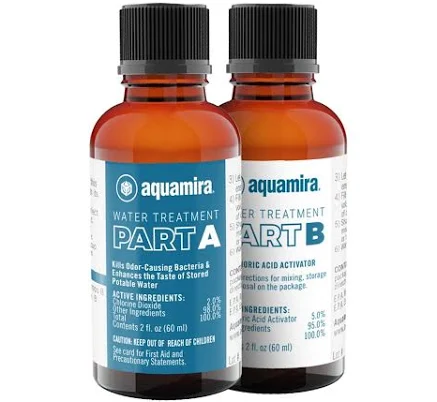
Aquamira
Water Storage Treatment 2 oz Glass Bottles 60 gallons Purification
- glass bottles, sodium dichloroisocyanurate treatment chemical
- We found no PFAS statement from the brand
- Chemical overdose or misuse
5 hazards checked on this product. See all of them.

Big Berkey
Empty Housing with NO Filters Included
- Stainless steel housing and spigot
- We found no PFAS statement from the brand
- Bacterial growth and biofilm if filters not replaced
5 hazards checked on this product. See all of them.
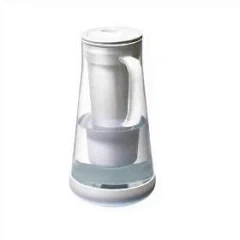
LifeStraw
Home Glass Water Filter Pitcher
- Borosilicate glass pitcher, replaceable activated-carbon filter cartridge
- Bacterial growth in filter cartridge if unmaintained
5 hazards checked on this product. See all of them.
More water filters grades
How we score, every product runs through the same public 0-100 rubric based on materials, coatings, brand disclosure, lab findings, and recalls. See the full methodology → Spotted a mistake? Report an error.