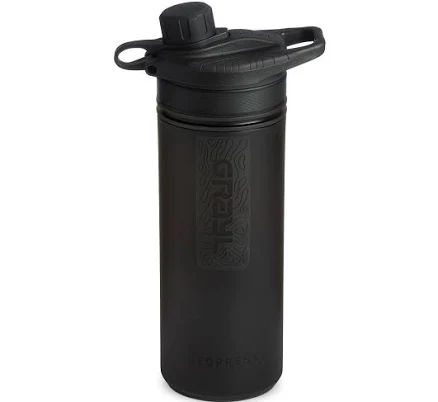
Grayl GeoPress Water Purifier
Lower PFAS concern profile, but brand is silent on PFAS practices.
Polypropylene housings and coconut carbon filter media carry no inherent PFAS contamination risk. Grayl doesn't disclose PFAS testing, filter resin sourcing, or manufacturing practices.
We flunk more products than we pass. This one earned its grade. How we grade
Material
Polypropylene (PP) filter cartridge housing; activated coconut carbon/resin filter media
Brand disclosure
Brand is silent on PFAS
Lab data
No public lab test
What Grayl GeoPress Water Purifier is made of, ingredients and materials
The GeoPress uses a polypropylene (PP) filter cartridge housing paired with activated coconut carbon and ion-exchange resin media. Polypropylene is a relatively stable plastic that does not leach BPA or phthalates under normal cold-water conditions, and coconut-derived activated carbon is inert and widely used in food-contact filtration without documented leaching of harmful compounds. The resin component is typically food-grade cation exchange material designed to bind hardness minerals and is not known to shed problematic chemicals into filtered water at standard use.
What’s concerning
No PFAS disclosure
No public statement from the brand about PFAS in this product.
Bacterial regrowth / biofilm in housing
Polypropylene provides a porous internal surface where bacteria can colonize if the cartridge remains wet between uses. This is a maintenance issue rather than a material defect; proper drying mitigates the risk.
Resin media degradation and shedding
Ion-exchange resins can physically degrade if the cartridge freezes, heats, or is stored improperly, potentially releasing small particles into filtered water. Regular cartridge replacement prevents accumulation of aged material.
Carbon dust or fines in first-use water
Loose activated carbon particles may leach into the first 1-2 liters of filtered water from any new cartridge. Running a rinse cycle before drinking is standard practice to flush trapped dust and resin fines.
Incomplete contaminant removal claims
The GeoPress removes bacteria and some chemicals but does not remove all dissolved salts, viruses without additional UV treatment, or heavy metals at certification levels claimed by some competitors. Users should not assume complete potability in high-contamination environments without independent testing.
What’s reassuring
Base material not linked to PFAS
The main material recorded for this product is not one associated with PFAS.
Polypropylene leaching at temperature extremes
PP is chemically stable in cold water. No documented leaching of monomers or additives has been reported for cold-fill portable filters; risk rises only if heated above 160F, which is outside normal use.
The full breakdown
The brand's record and disclosure
Grayl has not published detailed transparency reports on chemical testing, supply chain audits, or PFAS mitigation practices, representing a communication gap rather than a confirmed safety failure. The brand does market the GeoPress as removing bacteria, protozoa, and some chemical contaminants, and has not faced major product recalls or safety controversies on public record. Absence of disclosure on PFAS sources in manufacturing or filter media means consumers cannot verify the brand's procurement standards for precursor chemicals.
How it compares in its category
The GeoPress sits in the mid-range of portable water filters by material safety profile. Unlike metal-bodied filters, it avoids aluminum or stainless steel leaching concerns. Compared to carbon-only pitchers, the added resin layer provides broader contaminant removal but introduces a marginally higher complexity of maintenance. Most portable squeeze filters (including competitor brands like LifeStraw) use similar PP housings and coconut carbon, so the GeoPress is representative of category norms rather than an outlier.
If you buy it
Store the cartridge dry between uses to prevent bacterial biofilm growth inside the housing. Do not expose the filter to freezing temperatures, which can crack the PP cartridge. Replace the cartridge every 40 gallons or every 2 months, whichever comes first, to maintain filtration efficacy and reduce standing water stagnation. Avoid hot water, which serves no filtration purpose and may degrade the resin media over time.
What we don’t know
- Basis
- Model estimate, 72% confidence, not a lab result
- Lab test
- None on record for this exact product
- Brand statement
- Grayl has made none
Formulations change between production runs, so check the current label. How we grade.
Better-graded alternatives in Water Filters
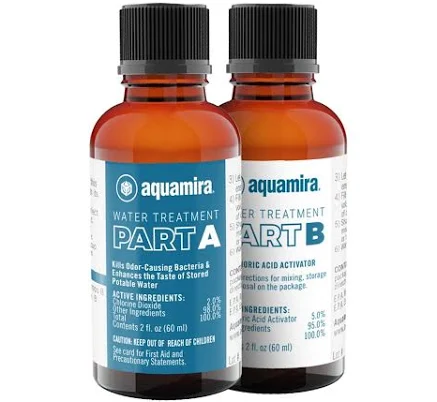
Aquamira
Water Storage Treatment 2 oz Glass Bottles 60 gallons Purification
- glass bottles, sodium dichloroisocyanurate treatment chemical
- We found no PFAS statement from the brand
- Chemical overdose or misuse
5 hazards checked on this product. See all of them.
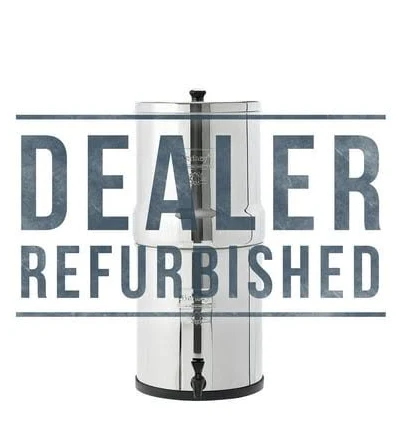
Big Berkey
Empty Housing with NO Filters Included
- Stainless steel housing and spigot
- We found no PFAS statement from the brand
- Bacterial growth and biofilm if filters not replaced
5 hazards checked on this product. See all of them.
LifeStraw
Home Glass Water Filter Pitcher
- Borosilicate glass pitcher, replaceable activated-carbon filter cartridge
- Bacterial growth in filter cartridge if unmaintained
5 hazards checked on this product. See all of them.
More water filters grades
How we score, every product runs through the same public 0-100 rubric based on materials, coatings, brand disclosure, lab findings, and recalls. See the full methodology → Spotted a mistake? Report an error.