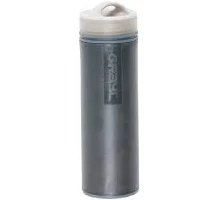
Grayl Ultralight Purifier Water Bottle
Low risk, though brand offers no PFAS disclosure or testing data.
Grayl's carbon and ion-exchange filters are inherently low-risk materials. The brand provides no PFAS claims or independent verification of filter contents.
We flunk more products than we pass. This one earned its grade. How we grade
Material
BPA-free plastic bottle, activated carbon and ion-exchange filter cartridge
Brand disclosure
Brand is silent on PFAS
Lab data
No public lab test
What Grayl Ultralight Purifier Water Bottle is made of, ingredients and materials
The Grayl Ultralight bottle is made from BPA-free plastic (material type typically Tritan or polypropylene) with a replaceable cartridge containing activated carbon and ion-exchange resin. BPA-free plastic reduces endocrine disruption risk compared to older polycarbonate designs. The activated carbon core addresses taste, odor, and some chemical contaminants, while ion-exchange removes hardness minerals and certain heavy metals. No heating of the bottle itself is recommended, which eliminates the leaching risk that affects some food-contact plastics under thermal stress.
What’s concerning
No PFAS disclosure
No public statement from the brand about PFAS in this product.
Bacterial growth (filter biofilm)
Any water filter cartridge can develop biofilm if cartridge sits wet and unused for extended periods or if replacement intervals are missed. Grayl mitigates this through user-replaceable cartridges and explicit guidance, but user compliance determines actual risk.
Resin or carbon dust migration
Activated carbon and ion-exchange resin particles can escape into water if the cartridge housing cracks or seals degrade over time, particularly after repeated squeeze-flush cycles. This is typical for this product class and does not constitute a major hazard but is worth visual inspection of the cartridge before use.
Incomplete contaminant removal
Grayl cartridges are designed for bacteria, protozoa, and taste/odor, but do not consistently remove all dissolved chemicals, pharmaceuticals, or viruses. Users should not rely on Grayl alone for severely contaminated or untreated water from high-risk sources; boiling is still recommended in some scenarios. PFAS removal is not documented by the brand.
What’s reassuring
Base material not linked to PFAS
The main material recorded for this product is not one associated with PFAS.
BPA & bisphenols
Grayl explicitly labels the bottle as BPA-free and uses modern plastic formulations. No recalls or reports of leaching from the bottle material itself are on record. Use below 40°C to maintain this safety margin.
Source, FDA ↗Housing material off-gassing (plastic volatiles)
BPA-free plastic housing does not carry established VOC off-gassing concerns if stored at room temperature. No complaints or test data suggest problematic odor or chemical release from new Grayl bottles in normal storage.
The full breakdown
The brand's record and disclosure
Grayl publishes removal claims for bacteria, protozoa, and some chemicals on its website and does not publicly disclose PFAS testing or removal specifications. The brand is transparent about cartridge replacement intervals (around 350 liters for typical water, fewer for contaminated sources) and does not face known regulatory violations or recalls for material safety. No third-party certification (NSF, WQA) is listed, which limits independent verification of performance claims.
How it compares in its category
Portable water filters vary widely; Grayl sits in the mid-market segment. Comparable squeeze bottles (LifeStraw, Sawyer) use similar plastic and carbon technology. Unlike gravity or pitcher systems, Grayl's compact cartridge design trades filter capacity for portability, meaning more frequent replacement and higher long-term cost per liter. Its push-squeeze mechanism is simpler than pump filters, reducing mechanical failure points.
If you buy it
Replace cartridges on schedule (every 350 liters or 12 months, whichever comes first) to prevent bacterial biofilm buildup inside the filter media. Store the bottle dry between uses; prolonged moisture retention in a sealed bottle can encourage mold. Do not fill with hot water, as this exceeds the plastic's intended use range. Keep cartridges in their sealed package until use; once cartridge is exposed and wet, it can support microbial growth if left unused for weeks.
What we don’t know
- Basis
- Model estimate, 68% confidence, not a lab result
- Lab test
- None on record for this exact product
- Brand statement
- Grayl has made none
Formulations change between production runs, so check the current label. How we grade.
Better-graded alternatives in Water Filters
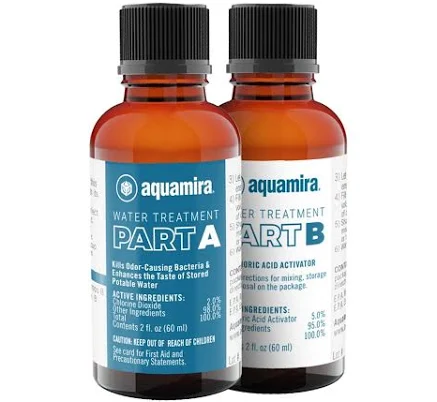
Aquamira
Water Storage Treatment 2 oz Glass Bottles 60 gallons Purification
- glass bottles, sodium dichloroisocyanurate treatment chemical
- We found no PFAS statement from the brand
- Chemical overdose or misuse
5 hazards checked on this product. See all of them.
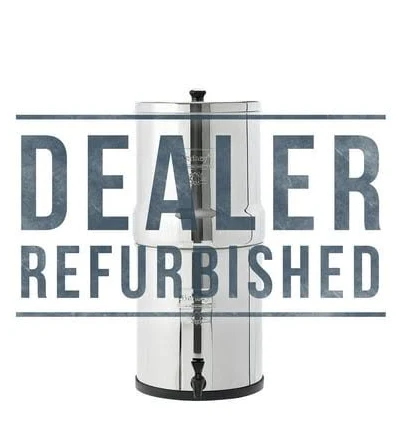
Big Berkey
Empty Housing with NO Filters Included
- Stainless steel housing and spigot
- We found no PFAS statement from the brand
- Bacterial growth and biofilm if filters not replaced
5 hazards checked on this product. See all of them.
LifeStraw
Home Glass Water Filter Pitcher
- Borosilicate glass pitcher, replaceable activated-carbon filter cartridge
- Bacterial growth in filter cartridge if unmaintained
5 hazards checked on this product. See all of them.
More water filters grades
How we score, every product runs through the same public 0-100 rubric based on materials, coatings, brand disclosure, lab findings, and recalls. See the full methodology → Spotted a mistake? Report an error.