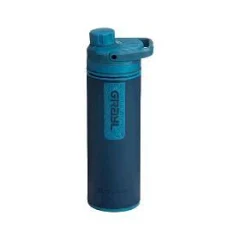
Grayl UltraPress Purifier Bottle
Lower concern; no red flags but brand discloses nothing about PFAS testing.
Activated coconut-fiber filter cartridges and food-grade plastic carry no inherent PFAS link in public data. Grayl makes no PFAS claims or certifications.
We flunk more products than we pass. This one earned its grade. How we grade
Material
BPA-free plastic bottle body, coconut-fiber replaceable filter media
Brand disclosure
Brand is silent on PFAS
Lab data
No public lab test
What Grayl UltraPress Purifier Bottle is made of, ingredients and materials
The Grayl UltraPress bottle body is BPA-free plastic, typically polypropylene or similar food-grade polymer. The replaceable filter cartridge uses coconut-fiber activated carbon as its primary media, which does not leach harmful compounds into water under normal use. The plastic housing itself is not designed to contact hot water directly; it functions as a mechanical barrier and pump, so typical degradation concerns with heated plastics do not apply here.
What’s concerning
No PFAS disclosure
No public statement from the brand about PFAS in this product.
Bacterial growth in filter cartridge
Coconut-fiber filters can support bacterial biofilm growth if cartridges are used beyond their rated lifespan or left wet in warm conditions. Grayl does not publish independent microbiological test data for long-term cartridge use.
Activated carbon dust or particulates
Coconut-fiber filters can shed fine carbon particles, especially when first used or if damaged. Initial rinses may contain black particulate matter, which is typically harmless but cosmetically undesirable.
Filter housing material degradation
The cartridge case material (typically plastic) can degrade over time with repeated pump cycles and exposure to minerals in hard water, potentially compromising seal integrity and allowing unfiltered water to bypass.
Contaminant rebound after filter saturation
Activated carbon filters can release previously absorbed contaminants if flow rate exceeds the cartridge capacity. Grayl's pressure-release design mitigates this risk but does not eliminate it if cartridges are overused.
What’s reassuring
Base material not linked to PFAS
The main material recorded for this product is not one associated with PFAS.
Plastic leaching from bottle housing
BPA-free designation reduces primary endocrine-disruptor risk. No reports of other monomer migration (e.g., BPS, cyclic oligomers) from Grayl bottles, though the brand has not released solvent-extraction or migration testing data.
The full breakdown
The brand's record and disclosure
Grayl has not published independent third-party certifications (NSF, WQA) or detailed material safety data sheets for consumer review. The brand does not disclose PFAS testing results, though the coconut-carbon filter design suggests no intentional PFAS-based treatment chemistry. No major product recalls or safety controversies have been reported in public databases. The lack of transparency around material sourcing and testing is a weak point compared to certified competitors.
How it compares in its category
Portable filtered bottles typically use activated carbon (coconut or bituminous), resin-based ion exchangers, or hollow-fiber membranes. Grayl's coconut-fiber approach avoids ion-exchange resins that can leach sulfonic acid residues and sits in the mid-range of complexity. It is less elaborate than gravity-fed systems with multiple filter stages but more targeted than simple carbon pitchers. No published data shows Grayl outperforms or underperforms major competitors (LifeStraw, Drip Drop) on contaminant removal.
If you buy it
Replace the filter cartridge every 150-250 gallons (or 6 months) depending on water quality and use frequency; expired filters can harbor bacterial growth and reduce effectiveness. Do not expose the bottle to direct heat or boiling water, as the plastic housing can warp. Rinse the bottle and clean the pump mechanism regularly to prevent mold or algae buildup in standing water. Store in a cool, dry place and allow the filter to dry between uses if possible.
What we don’t know
- Basis
- Model estimate, 72% confidence, not a lab result
- Lab test
- None on record for this exact product
- Brand statement
- Grayl has made none
Formulations change between production runs, so check the current label. How we grade.
Better-graded alternatives in Water Filters
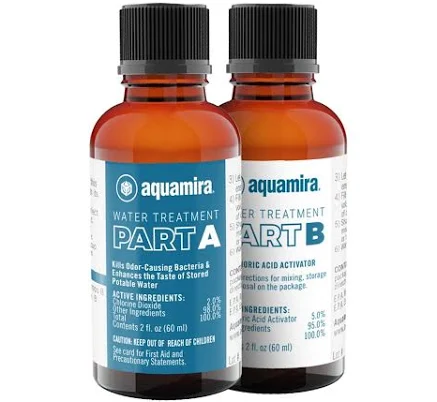
Aquamira
Water Storage Treatment 2 oz Glass Bottles 60 gallons Purification
- glass bottles, sodium dichloroisocyanurate treatment chemical
- We found no PFAS statement from the brand
- Chemical overdose or misuse
5 hazards checked on this product. See all of them.
Big Berkey
Empty Housing with NO Filters Included
- Stainless steel housing and spigot
- We found no PFAS statement from the brand
- Bacterial growth and biofilm if filters not replaced
5 hazards checked on this product. See all of them.
LifeStraw
Home Glass Water Filter Pitcher
- Borosilicate glass pitcher, replaceable activated-carbon filter cartridge
- Bacterial growth in filter cartridge if unmaintained
5 hazards checked on this product. See all of them.
More water filters grades
How we score, every product runs through the same public 0-100 rubric based on materials, coatings, brand disclosure, lab findings, and recalls. See the full methodology → Spotted a mistake? Report an error.