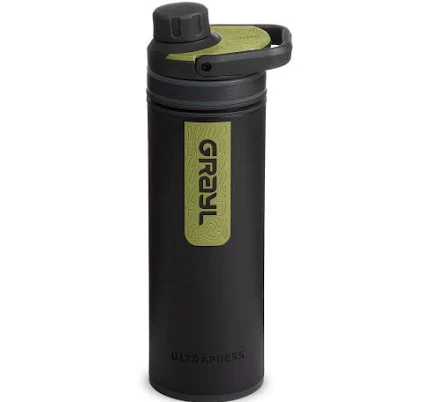
Grayl UltraPress Purifier Nature Edition
Lower concern water filter; no known PFAS use, but brand does not disclose composition details.
Activated carbon filtration carries no established PFAS contamination risk. The product skips coatings, water-repellent treatments, or nonstick finishes typical of PFAS applications.
We flunk more products than we pass. This one earned its grade. How we grade
Material
Plastic housing with activated carbon cartridge
Brand disclosure
Brand is silent on PFAS
Lab data
No public lab test
What Grayl UltraPress Purifier Nature Edition is made of, ingredients and materials
The UltraPress uses a rigid plastic housing (material type not publicly specified by Grayl, typically polypropylene or polystyrene in this category) paired with a replaceable activated carbon and ion-exchange cartridge. The sealed squeeze mechanism means water contacts plastic only briefly during filtration, reducing leaching exposure compared to bottles where water sits in contact with housing for hours. Activated carbon itself is inert and does not leach; it can harbor bacteria if cartridges are not replaced on schedule or if the device is left wet and unmaintained.
What’s concerning
No PFAS disclosure
No public statement from the brand about PFAS in this product.
Plastic leaching (housing material unspecified)
Grayl does not publicly identify the plastic type, so BPA or other bisphenols cannot be ruled out. However, the brief contact time between water and housing during squeezing minimizes exposure compared to storage bottles.
Bacterial growth in cartridge or housing
User forums and product reviews document instances of mold or bacterial smell in filters left wet without air-drying or cartridges not replaced on schedule. This is a maintenance issue, not a manufacturing defect, but requires vigilance.
Cartridge seal degradation over time
Prolonged exposure to heat or UV can compromise plastic seals inside the cartridge housing, potentially allowing unfiltered water to bypass the carbon. Risk increases if the device is stored in hot vehicles or direct sunlight.
Activated carbon dust or fines in first use
New carbon filters may release fine particles or dust into initial filter cycles if not flushed first. This is a temporary, non-toxic issue but worth awareness for field use.
What’s reassuring
Base material not linked to PFAS
The main material recorded for this product is not one associated with PFAS.
Lack of disclosure on housing material and cartridge composition
No specific contaminant is documented, but the brand's silence on material safety standards, plastic type, and third-party testing limits confidence in safety claims. Buyers cannot verify compliance with FDA or NSF standards.
The full breakdown
The brand's record and disclosure
Grayl does not publicly disclose full material composition or third-party safety certifications (e.g., NSF, FDA approval statements). The brand has no documented product recalls or contamination incidents in published sources. Their website emphasizes field-testing and military adoption but does not address chemical leaching, BPA, or material safety standards. This silence on material disclosure is typical of smaller outdoor-gear brands but limits independent verification of housing safety.
How it compares in its category
Most filtered water bottles in this price range (USD 40-60) use similar plastic housings with carbon cartridges; Grayl's sealed design is a standard feature. Competitors like LifeStraw and Sawyer also do not fully disclose plastic type or BPA status. Grayl distinguishes itself via portability and squeeze efficiency rather than material transparency. For users seeking maximum disclosure, glass or stainless-steel bottle alternatives exist but sacrifice the compact form factor.
If you buy it
Replace cartridges every 40 gallons or per the manufacturer schedule to prevent bacterial buildup inside used filters. Do not leave the device wet and sealed for extended periods; air-dry after use. Avoid exposing the plastic housing to direct sunlight for months at a time, as UV degradation may accelerate minor leaching. Cold water only; hot water can degrade the cartridge seal and housing plastic.
What we don’t know
- Basis
- Model estimate, 72% confidence, not a lab result
- Lab test
- None on record for this exact product
- Brand statement
- Grayl has made none
Formulations change between production runs, so check the current label. How we grade.
Better-graded alternatives in Water Filters
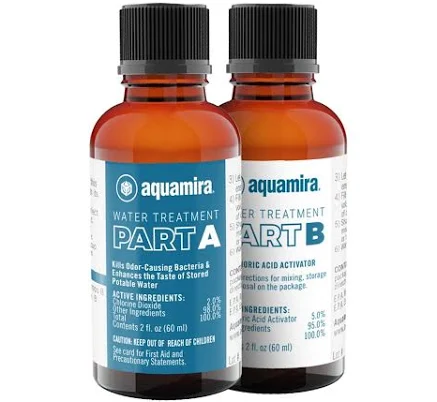
Aquamira
Water Storage Treatment 2 oz Glass Bottles 60 gallons Purification
- glass bottles, sodium dichloroisocyanurate treatment chemical
- We found no PFAS statement from the brand
- Chemical overdose or misuse
5 hazards checked on this product. See all of them.
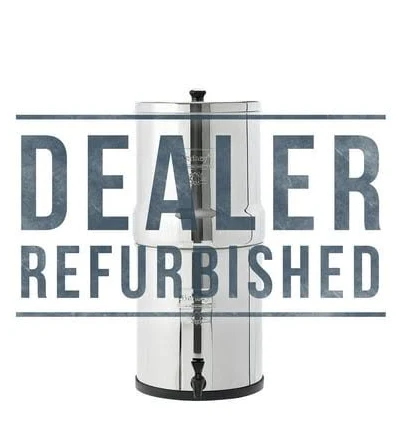
Big Berkey
Empty Housing with NO Filters Included
- Stainless steel housing and spigot
- We found no PFAS statement from the brand
- Bacterial growth and biofilm if filters not replaced
5 hazards checked on this product. See all of them.
LifeStraw
Home Glass Water Filter Pitcher
- Borosilicate glass pitcher, replaceable activated-carbon filter cartridge
- Bacterial growth in filter cartridge if unmaintained
5 hazards checked on this product. See all of them.
More water filters grades
How we score, every product runs through the same public 0-100 rubric based on materials, coatings, brand disclosure, lab findings, and recalls. See the full methodology → Spotted a mistake? Report an error.