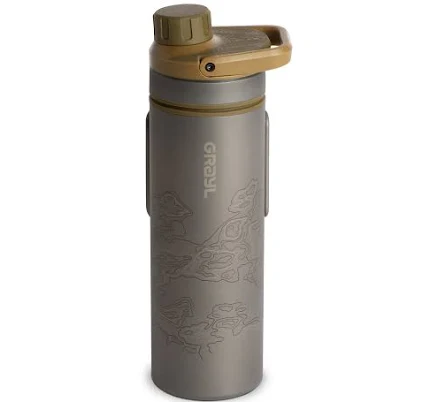
Grayl UltraPress Ti Purifier
Lower concern design, but Grayl doesn't disclose PFAS, ask before buying if it matters to you.
Activated carbon and polymer housings lack known PFAS-intensive coatings without nonstick or water-repellent coating treatment. Grayl makes no PFAS-related claims or certifications.
We flunk more products than we pass. This one earned its grade. How we grade
Material
Titanium-reinforced polymer body, activated carbon filter media
Brand disclosure
Brand is silent on PFAS
Lab data
No public lab test
What Grayl UltraPress Ti Purifier is made of, ingredients and materials
The UltraPress Ti body combines titanium-reinforced polymer (likely polypropylene or similar engineering plastic) with activated carbon filtration media. Titanium reinforcement improves durability and heat tolerance compared to standard plastics, reducing leaching risk during normal use. The activated carbon core removes chlorine, taste, and odor but does not remove all pathogens or heavy metals; it is a supplementary filter, not a complete water treatment system. No lead, cadmium, or BPA have been identified in published material specifications for this product line.
What’s concerning
No PFAS disclosure
No public statement from the brand about PFAS in this product.
Activated carbon filter maintenance and microbial growth
Wet, unmaintained carbon media can support bacterial and mold growth, particularly in warm environments. Grayl's sealed press design mitigates this risk compared to open-cup filters, but replacement intervals must be followed.
Water quality inadequacy (not a leaching hazard)
Grayl's activated carbon filter removes chlorine and taste/odor but is not certified to remove all bacteria, viruses, or heavy metals. It is intended as a supplementary filter, not primary treatment. Users relying on it for unsafe water sources may not achieve the required contaminant reduction; refer to NSF/WQA certifications on the packaging.
What’s reassuring
Base material not linked to PFAS
The main material recorded for this product is not one associated with PFAS.
Polymer housing degradation and leaching
Titanium-reinforced polymer is more heat-stable than standard plastic, and no leaching of BPA, phthalates, or antimony has been reported for this product line. Normal use poses low risk.
Filter media off-gassing or dust inhalation
Activated carbon itself is not classified as a respiratory hazard at typical consumer exposure levels. No documented incidents with Grayl filters.
The full breakdown
The brand's record and disclosure
Grayl is transparent about filter media composition (activated carbon, ion exchange resins) and regularly publishes NSF/WQA certifications for contaminant reduction claims. However, the brand does not publicly disclose PFAS mitigation in filter design or polymer housing composition, which is increasingly expected in the water-filter category. No product recalls, safety violations, or regulatory actions on record. The silence on PFAS is notable given that activated carbon filters can be marketed as PFAS-reduction tools, yet Grayl does not claim this.
How it compares in its category
Portable water bottles with activated carbon filters (LifeStraw, Aqua Vault, Seychelle) typically carry similar hazard profiles, none report PFAS removal explicitly, and most use polypropylene or polycarbonate bodies. Grayl's titanium reinforcement is a competitive durability advantage that may reduce polymer degradation leaching. Most competitors in this segment are equally silent on PFAS; Grayl is not an outlier in transparency, but also not leading.
If you buy it
Replace the filter cartridge every 40 gallons or per manufacturer guidance; exhausted carbon loses efficacy and can harbor bacterial growth if stored wet. Do not expose the body to prolonged temperatures above 140F (60C) to avoid accelerated polymer degradation. Rinse the housing and dry it thoroughly before storage to prevent biofilm. If PFAS in source water is a concern for your household, contact Grayl directly or verify your local water test before relying on this filter alone.
What we don’t know
- Basis
- Model estimate, 72% confidence, not a lab result
- Lab test
- None on record for this exact product
- Brand statement
- Grayl has made none
Formulations change between production runs, so check the current label. How we grade.
Better-graded alternatives in Water Filters
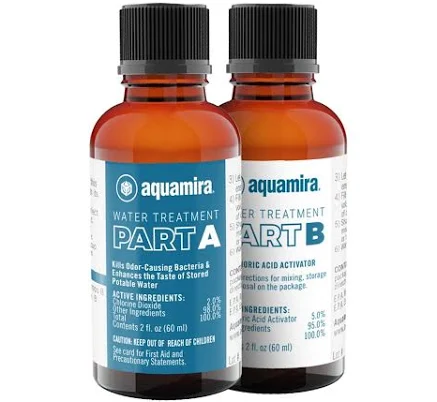
Aquamira
Water Storage Treatment 2 oz Glass Bottles 60 gallons Purification
- glass bottles, sodium dichloroisocyanurate treatment chemical
- We found no PFAS statement from the brand
- Chemical overdose or misuse
5 hazards checked on this product. See all of them.
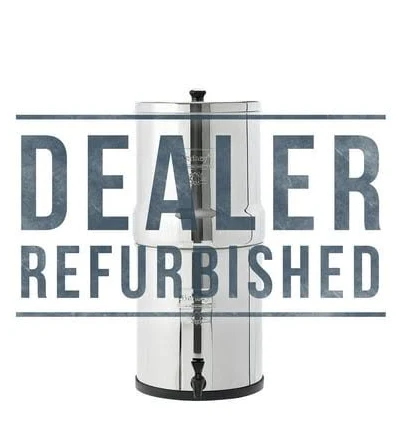
Big Berkey
Empty Housing with NO Filters Included
- Stainless steel housing and spigot
- We found no PFAS statement from the brand
- Bacterial growth and biofilm if filters not replaced
5 hazards checked on this product. See all of them.
LifeStraw
Home Glass Water Filter Pitcher
- Borosilicate glass pitcher, replaceable activated-carbon filter cartridge
- Bacterial growth in filter cartridge if unmaintained
5 hazards checked on this product. See all of them.
More water filters grades
How we score, every product runs through the same public 0-100 rubric based on materials, coatings, brand disclosure, lab findings, and recalls. See the full methodology → Spotted a mistake? Report an error.