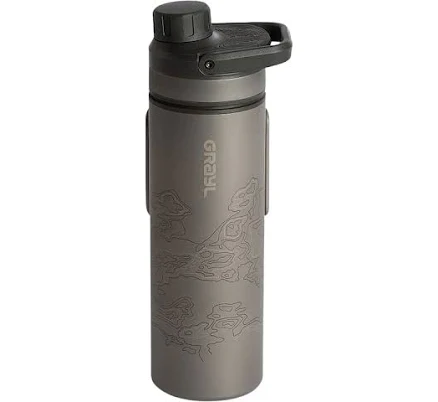
Grayl UltraPress Titanium Purifier Bottle
Low risk. Titanium and filter media unlikely to contain PFAS.
Grayl does not share PFAS details. Titanium and carbon/resin filters present low PFAS risk based on their material composition.
We flunk more products than we pass. This one earned its grade. How we grade
Material
Titanium container, activated carbon and ion-exchange resin filters
Brand disclosure
Brand is silent on PFAS
Lab data
No public lab test
What Grayl UltraPress Titanium Purifier Bottle is made of, ingredients and materials
The UltraPress Titanium uses a medical-grade titanium container paired with a replaceable filter cartridge containing activated carbon and ion-exchange resin. Titanium is biologically inert and does not leach metals or compounds into water under normal use conditions. The filter media are industry-standard materials for portable water treatment; activated carbon removes organic contaminants and chlorine, while ion-exchange resin targets hardness and some heavy metals. No heating of the bottle itself occurs during filtration, eliminating thermal leaching risks common to plastic containers.
What’s concerning
No PFAS disclosure
No public statement from the brand about PFAS in this product.
Bacterial growth in filter media if unmaintained
Activated carbon and ion-exchange resin cartridges become contaminated if stored wet or used beyond their effective life. Risk is mitigated by proper drying and regular replacement but depends entirely on user behavior, not product design.
Leachables or off-gassing from filter cartridge media
Grayl does not publish detailed composition or testing data for activated carbon or ion-exchange resin sources. Risk is low for standard filter media, but vendor opacity prevents full assessment; independent lab testing is not publicly available.
Incomplete removal of contaminants due to poor filter maintenance or counterfeit cartridge
Users have reported purchasing counterfeit Grayl cartridges online, which may use substandard filter media or resin that does not meet performance standards. Authentic cartridge sourcing and timely replacement are essential to avoid false confidence in water quality.
What’s reassuring
Base material not linked to PFAS
The main material recorded for this product is not one associated with PFAS.
Leachables from titanium housing
Medical-grade titanium is biologically inert in contact with water and has no established leaching of toxic metals or organic compounds under portable-filter conditions. No recalls or published adverse reports tied to titanium leaching in this product.
Microplastic shedding from filter housing
Titanium does not fragment into microplastics. Filter cartridge plastic casing is not in direct water contact during normal use, so microplastic release is not a documented concern for this design.
The full breakdown
The brand's record and disclosure
Grayl publishes basic material specifications and does not advertise independent third-party testing results for leachables or contaminants in published materials. The brand has not faced public safety recalls or contamination scandals tied to the Titanium model. Grayl does not publicly address PFAS in filter media or manufacturing, a gap in transparency for a water-filtration brand, though titanium housings themselves are unlikely PFAS sources. No formal certifications (NSF, WQA) are advertised for this product line, which is atypical for premium portable filters.
How it compares in its category
Premium portable filters typically use plastic housings (BPA/leaching risk) or stainless steel; titanium is more corrosion-resistant and lighter, reducing material degradation over years of refill cycles. Most competitors lack transparent filter-media disclosure, so the UltraPress is middle-of-the-road on transparency. Ceramic or hollow-fiber filters in other brands pose different microbial risks if not maintained; carbon-resin cartridges require regular replacement and proper drying to avoid bacterial regrowth. Price and durability favor titanium, but user maintenance is the controlling factor for any portable filter's safety.
If you buy it
Replace the filter cartridge every 40 gallons or per manufacturer guidance; expired filters lose efficacy and may harbor bacteria if not dried between uses. Store the bottle with the filter cartridge removed and both components dry, as moisture in a saturated filter creates microbial breeding grounds even in titanium housings. Do not expose the titanium body to extreme heat or harsh solvents, though normal hot-water rinses present lower concern for material degradation. If water tastes or smells off after filter replacement, discard the cartridge and verify the new one is genuinely Grayl branded, as counterfeit filters are sold online.
What we don’t know
- Basis
- Model estimate, 72% confidence, not a lab result
- Lab test
- None on record for this exact product
- Brand statement
- Grayl has made none
Formulations change between production runs, so check the current label. How we grade.
Better-graded alternatives in Water Filters
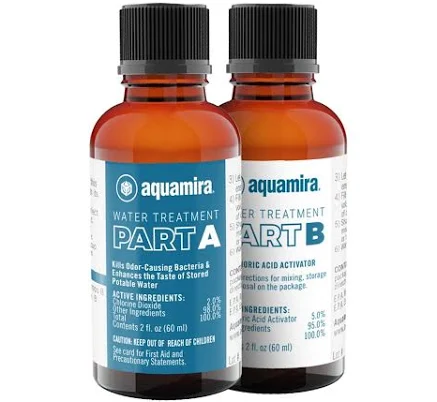
Aquamira
Water Storage Treatment 2 oz Glass Bottles 60 gallons Purification
- glass bottles, sodium dichloroisocyanurate treatment chemical
- We found no PFAS statement from the brand
- Chemical overdose or misuse
5 hazards checked on this product. See all of them.
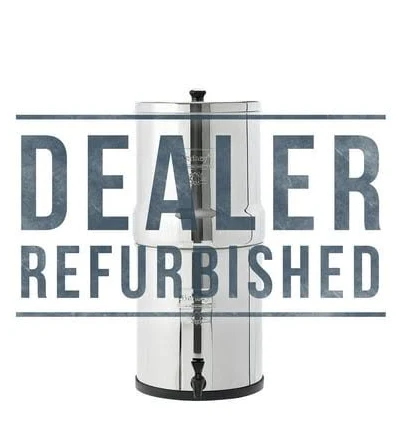
Big Berkey
Empty Housing with NO Filters Included
- Stainless steel housing and spigot
- We found no PFAS statement from the brand
- Bacterial growth and biofilm if filters not replaced
5 hazards checked on this product. See all of them.
LifeStraw
Home Glass Water Filter Pitcher
- Borosilicate glass pitcher, replaceable activated-carbon filter cartridge
- Bacterial growth in filter cartridge if unmaintained
5 hazards checked on this product. See all of them.
More water filters grades
How we score, every product runs through the same public 0-100 rubric based on materials, coatings, brand disclosure, lab findings, and recalls. See the full methodology → Spotted a mistake? Report an error.