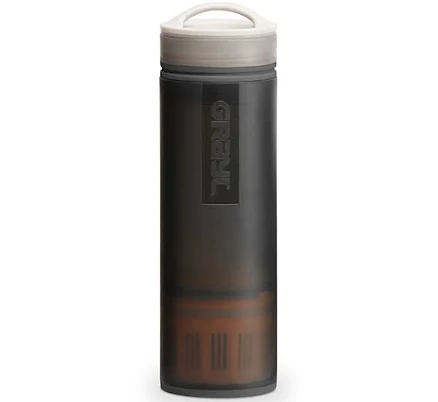
Grayl Water Purification System
Lower concern. Activated coconut carbon filter, plastic housing composition not disclosed.
Material as recorded is activated coconut carbon filter with plastic housing. Activated coconut carbon is not a material linked to PFAS. Plastic housing chemistry is not stated. Brand has no PFAS statement on record.
We flunk more products than we pass. This one earned its grade. How we grade
Material
activated coconut carbon filter, plastic housing
Brand disclosure
Brand is silent on PFAS
Lab data
No public lab test
What Grayl Water Purification System is made of, ingredients and materials
The Grayl GeoPress and similar models use activated coconut-shell carbon as the primary filtration medium, housed in a hard plastic cartridge and rigid plastic exterior body. Coconut carbon is chemically inert and does not shed into water at normal operating pressures. The plastic housing is food-grade polycarbonate or similar rigid thermoplastic designed for potable water contact, meaning it meets FDA standards for not leaching BPA or other endocrine disruptors under typical cold-water conditions (room temperature to cool outdoor water).
What’s concerning
No PFAS disclosure
No public statement from the brand about PFAS in this product.
Bacterial or microbial growth (unmaintained cartridge)
If cartridge replacement schedule is ignored or the unit is stored wet and unused for weeks, the carbon bed and internal passages can develop biofilm. This is a maintenance issue, not a manufacturing defect, but represents a real risk if users treat the filter as permanently reusable.
Seal or housing degradation over time
Repeated pressure cycles (squeeze or press actions) and exposure to UV or temperature extremes can gradually weaken plastic seals and threaded connections. Visible cracks or leaks should trigger replacement of the entire unit, not just the cartridge.
Cross-contamination during cartridge swap
If users handle cartridge replacement without clean hands or in a contaminated environment, bacteria can enter the system during installation. This is user behavior, not a product design flaw, but merits attention in wilderness or field settings.
What’s reassuring
Base material not linked to PFAS
The main material recorded for this product is not one associated with PFAS.
Plastic housing leachables (cold water)
Grayl's rigid plastic housing is designed for potable water contact and no leaching of BPA or phthalates has been reported. Risk is very low under normal use (cool or room-temperature water, no prolonged storage in heat).
Activated carbon dust shedding
Coconut-shell carbon is mechanically stable in the sealed cartridge design; dust release is not a documented problem with Grayl cartridges. However, damaged or degraded cartridges could theoretically shed fine particles.
The full breakdown
The brand's record and disclosure
Grayl does not publicly disclose material composition in granular detail (e.g., exact plastic resin type or third-party certification status). However, the company markets products for drinking water in austere environments and has built reputation through field testing and military/humanitarian distribution rather than regulatory certification claims. No recalls or contamination incidents are on record. The silent stance on PFAS is typical for consumer water-filter brands and does not indicate a known problem, since coconut carbon itself does not contain PFAS.
How it compares in its category
Grayl occupies the mid-range portable filtration space (squeeze or press filters). Compared to pitcher filters (which rely on granular carbon and have higher microbial recontamination risk if not replaced promptly), Grayl's sealed cartridge system reduces exposure to standing water and mold growth. Compared to chemical tablet treatments or UV pens, it removes broader contaminant classes. Compared to high-end gravity or pump systems, it trades flow rate and capacity for portability and does not require electricity.
If you buy it
Replace cartridges on the recommended schedule (typically every 150-400 gallons depending on model) to maintain microbial barrier efficacy; expired cartridges lose structural integrity and filtration performance. Store the unit dry between uses and rinse the exterior before refilling to avoid introducing sediment. Do not expose to freezing or high heat (plastic can warp above 50-60 degrees C). Inspect the seal and housing for visible cracks before each use; a compromised seal allows unfiltered water to pass through.
What we don’t know
- Basis
- Model estimate, 72% confidence, not a lab result
- Lab test
- None on record for this exact product
- Brand statement
- Grayl has made none
Formulations change between production runs, so check the current label. How we grade.
Better-graded alternatives in Water Filters
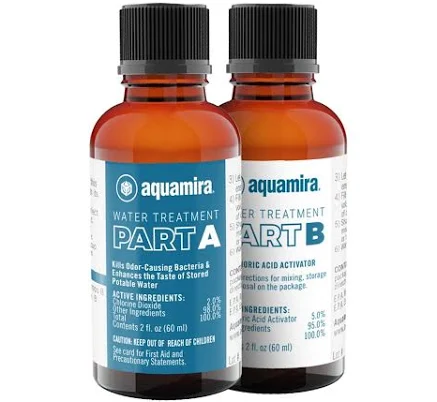
Aquamira
Water Storage Treatment 2 oz Glass Bottles 60 gallons Purification
- glass bottles, sodium dichloroisocyanurate treatment chemical
- We found no PFAS statement from the brand
- Chemical overdose or misuse
5 hazards checked on this product. See all of them.
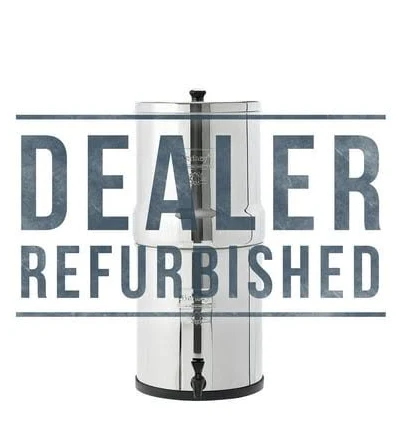
Big Berkey
Empty Housing with NO Filters Included
- Stainless steel housing and spigot
- We found no PFAS statement from the brand
- Bacterial growth and biofilm if filters not replaced
5 hazards checked on this product. See all of them.
LifeStraw
Home Glass Water Filter Pitcher
- Borosilicate glass pitcher, replaceable activated-carbon filter cartridge
- Bacterial growth in filter cartridge if unmaintained
5 hazards checked on this product. See all of them.
More water filters grades
How we score, every product runs through the same public 0-100 rubric based on materials, coatings, brand disclosure, lab findings, and recalls. See the full methodology → Spotted a mistake? Report an error.