GreenPan · Parchment Paper & Baking Liners
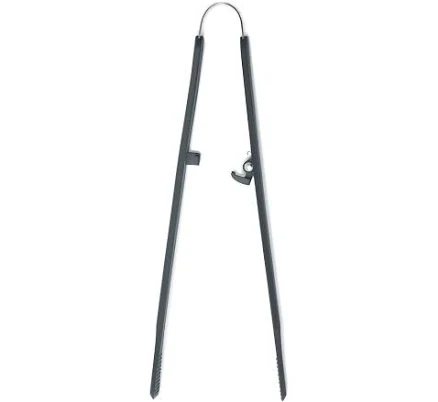
GreenPan Platinum Silicone Tongs
No coating of concern recorded, and no PFAS statement from the brand.
The brand has published no PFAS statement for this product that we could find.
We flunk more products than we pass. This one earned its grade. How we grade
Material
silicone, stainless steel handle
Lab data
No public lab test
You may also be interested in
Top-graded picks in the categories readers replace first, every one scored on the same rubric.

- polypropylene filter housing, carbon/sediment cartridge
- We found no PFAS statement from the brand
- Bacterial growth in spent cartridges
3 hazards checked on this product, all on its full breakdown.

Aquasure
Premier Series 75 GPD Under Sink Reverse Osmosis Water Filtration System
- RO membrane, carbon filters, stainless steel housing
- We found no PFAS statement from the brand
- Bacterial and microbial growth in housing and filters
4 hazards checked on this product, all on its full breakdown.

Avocado
Vegan Mattress
- organic cotton, natural latex, coconut coir, recycled steel coils
- The brand calls it PFAS-free, which we have not verified
- Heavy metals
2 hazards checked on this product, all on its full breakdown.
What GreenPan Platinum Silicone Tongs is made of, ingredients and materials
These tongs are constructed from food-grade silicone with a stainless steel handle. Silicone is a synthetic polymer that does not contain BPA, phthalates, or the plasticizers found in PVC and polycarbonate. When heated to typical baking temperatures (up to 400-500°F depending on grade), silicone does not degrade or leach into food; it is thermally stable across the temperature range of home ovens and stovetops. Stainless steel handles are inert and do not leach metals under normal use.
What’s concerning
No PFAS disclosure
No public statement from the brand about PFAS in this product.
Category baseline
The starting point for this type of product, before anything specific to this product is counted.
Staining, odor absorption, or cosmetic breakdown
Over extended use and high-temperature exposure, silicone can gradually stiffen, discolor, or absorb faint odors, particularly if exposed to strong spices, oils, or sunlight. This is cosmetic and does not indicate a safety hazard, but signals the end of useful life (typically 3-5 years with regular use).
What’s reassuring
Base material not linked to PFAS
The main material recorded for this product is not one associated with PFAS.
Silicone leaching or degradation
Food-grade silicone used in kitchen tools does not leach harmful chemicals at normal baking temperatures (up to 400-500°F). No reported incidents of leaching or degradation of GreenPan silicone tongs under standard home use have been recorded.
Heavy metals
Stainless steel is inert and does not leach iron, nickel, or chromium under normal kitchen use. No testing or recall data suggests metal contamination from GreenPan stainless steel handles.
Source, FDA ↗Thermal stability and off-gassing
Silicone does not emit volatile organic compounds or odors when heated to typical baking temperatures. Silicone tongs are stable up to their rated temperature limit and do not degrade into fumes or particles during normal oven or stovetop use.
Bacterial growth or food contact surface degradation
Silicone is non-porous and resists bacterial colonization better than wood or textured plastics. The smooth surface does not develop cracks or crevices where bacteria can lodge, provided the tongs are washed and dried after each use.
How is this PFAS grade calculated?
The brand's record and disclosure
GreenPan is known for marketing cookware without Teflon-type coating (Teflon) coatings and has positioned itself in the lower concern cookware segment. The brand has not issued a specific public statement about PFAS in this silicone product or disclosed third-party testing. No recalls, safety warnings, or controversies have been recorded for GreenPan silicone kitchen tools. The company's focus on Teflon-type coating-free cookware reflects awareness of coating safety, though silicone tools themselves do not require such coatings.
How it compares in its category
Silicone tongs are among the lowest-concern utensil options compared to wooden, plastic, or coated metal alternatives. Unlike wooden tongs, silicone does not harbor bacteria in cracks or absorb odors and stains. Unlike nylon or polycarbonate tongs, silicone does not soften or leach when exposed to heat or acidic foods. Stainless steel handles are standard across most mid to premium baking tool lines and offer durability without leaching risk.
If you buy it
Hand wash in warm soapy water rather than high-heat dishwasher cycles to extend the life of the silicone and prevent any potential edge degradation over years of use. Do not expose to direct flame or temperatures above 600°F, as most food-grade silicone is rated to 400-500°F; check the product label for the exact thermal limit. Replace the tongs if the silicone becomes sticky, discolored, or develops an odor, as these signs indicate breakdown. Store in a cool, dry place away from direct sunlight, which can gradually harden silicone over time.
What is not known about PFAS in this product?
- Basis
- Model estimate, 78% confidence, not a lab result
- Lab test
- None on record for this exact product
- Brand statement
- GreenPan has made a specific claim
Formulations change between production runs, so check the current label. How we grade.
What are the PFAS-free alternatives to GreenPan Platinum Silicone Tongs?
- silicone-coated parchment paper
- The brand calls it PFAS-free, which we have not verified
- Paper degradation and particulate shedding
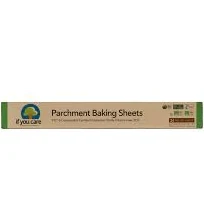
- unbleached paper with silicone coating
- The brand calls it PFAS-free, which we have not verified
- Silicone coating degradation at high heat
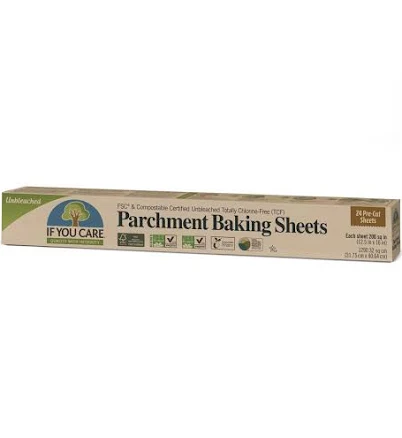
- bleached paper with silicone coating
- The brand calls it PFAS-free, which we have not verified
- Paper degradation and fragmentation
More parchment paper & baking liners grades
How we score, every product runs through the same public 0-100 rubric based on materials, coatings, brand disclosure, lab findings, and recalls. See the full methodology → Spotted a mistake? Report an error.