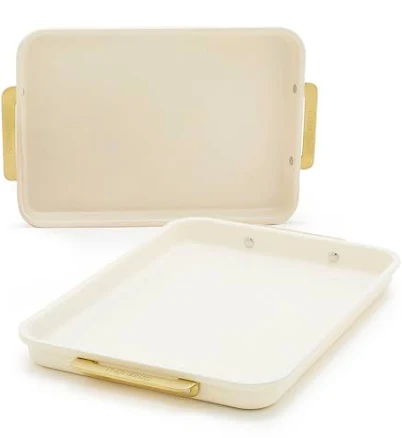
GreenPan Reserve Bakeware 2-Piece Quarter Sheet Pan Set, Is It Non-Toxic?
Named ceramic non-stick coating, with a brand PFAS statement we have not verified.
GreenPan says its Thermolon coated food contact surface is free of PFAS, including Teflon-type coating and PFOA. We record that as an unverified brand claim. Its record describes a non-stick coating of unstated type, which is still counted.
Brand says: “GreenPan says its Thermolon coated food contact surface is free of PFAS, including PTFE and PFOA.”
We flunk more products than we pass. This one earned its grade. How we grade
Material
Thermolon ceramic nonstick coating (unspecified fluorine status)
Brand disclosure
Brand claims PFAS-free
Lab data
No public lab test
You may also be interested in
Top-graded picks in the categories readers replace first, every one scored on the same rubric.

- polypropylene filter housing, carbon/sediment cartridge
- We found no PFAS statement from the brand
- Bacterial growth in spent cartridges
3 hazards checked on this product, all on its full breakdown.

Aquasure
Premier Series 75 GPD Under Sink Reverse Osmosis Water Filtration System
- RO membrane, carbon filters, stainless steel housing
- We found no PFAS statement from the brand
- Bacterial and microbial growth in housing and filters
4 hazards checked on this product, all on its full breakdown.

Avocado
Vegan Mattress
- organic cotton, natural latex, coconut coir, recycled steel coils
- The brand calls it PFAS-free, which we have not verified
- Heavy metals
2 hazards checked on this product, all on its full breakdown.
Is GreenPan Reserve Bakeware Sheet Pan Set non-toxic? What it is made of
GreenPan Reserve uses Thermolon, a ceramic-based nonstick coating that the brand markets as PFAS-free. The base is steel bakeware with this ceramic finish applied to the cooking surface. Unlike traditional Teflon-type coating (Teflon) coatings, ceramic coatings do not rely on fluorinated compounds, which eliminates the primary fume hazard associated with overheating nonstick cookware. The coating is designed to bond to the steel substrate during manufacturing.
What’s concerning
Disclosed non-fluorinated coating
Coating is named and the brand states it is made without PFAS.
Category baseline
The starting point for this type of product, before anything specific to this product is counted.
Ceramic coating degradation over time
Ceramic nonstick coatings are more prone to chipping or peeling than Teflon-type coating when subjected to thermal stress, abrasive scrubbing, or dishwasher use. GreenPan does not publish independent durability testing data; user reports online show variable longevity depending on care.
PFAS
GreenPan states Thermolon is PFAS-free, but independent laboratory confirmation of the coating composition is not routinely published. The claim relies on brand disclosure rather than third-party certification; a 70/100 PFAS safety grade reflects this verification gap rather than confirmed contamination.
Source, ATSDR ↗What’s reassuring
Brand-stated PFAS-free
The brand states this product is PFAS-free. We have not verified the claim.
Thermal fume risk from coating
Thermolon ceramic coating does not release toxic fumes at normal baking temperatures. Fume hazard is primarily a concern with Teflon-type coating coatings overheated above 500°F; ceramic formulations are chemically distinct and stable in standard kitchen use.
Steel substrate leaching
Steel bakeware does not leach significant iron, chromium, or nickel under normal acidic food contact. Concern applies primarily to bare aluminum cookware in acidic conditions; this product's steel base mitigates that risk.
Lead
No recalls or reports of lead/cadmium contamination in GreenPan Reserve bakeware have been documented. Ceramic coatings manufactured by major suppliers to Western brands are subject to FDA food contact standards that limit these metals, though third-party testing of this specific product is not publicly available.
Source, ATSDR ↗How is this PFAS grade calculated?
The brand's record and disclosure
GreenPan has made explicit PFAS-free claims across its product lines and markets itself as a health-conscious alternative to traditional nonstick brands. The company has not reported major recalls or coating-failure incidents on record for this product line. However, the specific fluorine composition and testing protocols for Thermolon are not independently verified or published by third-party labs in widely available sources. GreenPan's parent company has faced scrutiny in the cookware sector, but no established safety violations have been documented for this particular bakeware set.
How it compares in its category
Ceramic nonstick bakeware occupies a middle ground between traditional hard-anodized aluminum (which can leach aluminum at low pH) and Teflon-type coating nonstick (which poses fume risk if overheated). GreenPan Reserve positions itself as premium within the ceramic category, with higher price than basic ceramic alternatives. Compared to uncoated steel sheet pans, Thermolon-coated products reduce sticking without the chemical concerns of Teflon-type coating, though durability of the ceramic finish over many cycles varies by user handling.
If you buy it
Hand wash rather than use a dishwasher to prolong the ceramic coating; avoid metal utensils and harsh scrubbers that can scratch the surface. Do not exceed typical baking temperatures (up to 500-550°F for most baked goods); ceramic coatings are stable at these levels but avoid prolonged exposure above manufacturers' stated limits. Replace the pans if the coating noticeably flakes, peels, or develops bare spots exposing the underlying steel. Season lightly with oil on first use and store in a dry space to prevent moisture-related degradation.
What is not known about PFAS in this product?
- Basis
- Model estimate, 45% confidence, not a lab result
- Lab test
- None on record for this exact product
- Brand statement
- GreenPan has made a specific claim
Formulations change between production runs, so check the current label. How we grade.
What are the PFAS-free alternatives to GreenPan Reserve Bakeware 2-Piece Quarter Sheet Pan Set?
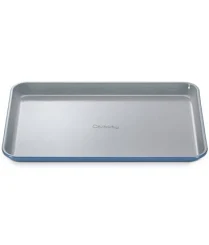
- ceramic nonstick coating
- A third party reports verifying it as PFAS-free
- Ceramic coating degradation over time
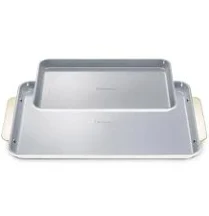
- ceramic nonstick coating
- A third party reports verifying it as PFAS-free
- Coating degradation and durability
2 hazards checked on this product, all on its full breakdown.
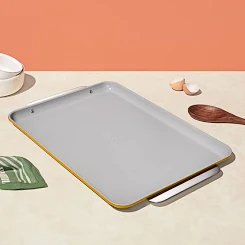
- ceramic nonstick coating
- The brand calls it PFAS-free, which we have not verified
- Ceramic coating degradation and particle shedding
3 hazards checked on this product, all on its full breakdown.
More bakeware grades
How we score, every product runs through the same public 0-100 rubric based on materials, coatings, brand disclosure, lab findings, and recalls. See the full methodology → Spotted a mistake? Report an error.