GreenPan · Parchment Paper & Baking Liners
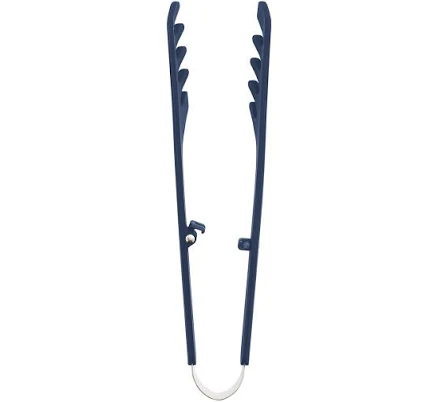
GreenPan Silicone Locking Pasta Tongs
Silicone tongs lower concern, but brand discloses nothing about PFAS.
Silicone kitchen tools are inherently unlikely to contain PFAS, though GreenPan provides no public statement on the material's source or treatment. No third-party verification exists.
The better-graded swap
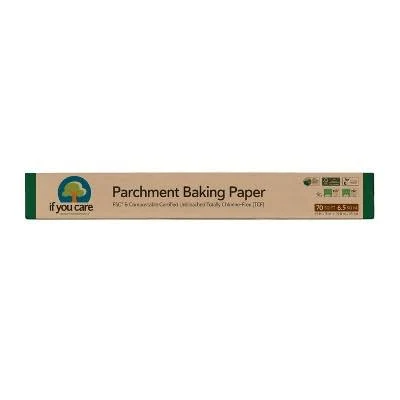
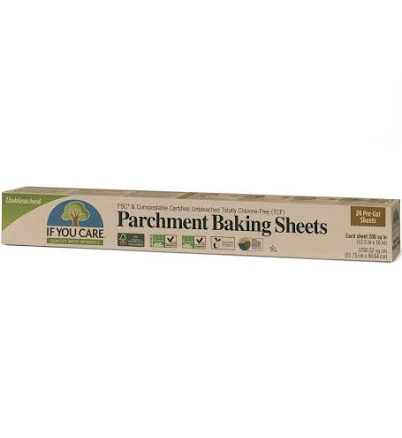
If You Care
If You Care Parchment Baking Paper
90/100 safety
Same rubric that flunked this product. The swap earned Excellent.
Still want this one anyway? Check the price on Amazon. We’d swap it.
Material
Silicone handle and locking mechanism
Lab data
No public lab test
You may also be interested in
Top-graded picks in the categories readers replace first, every one scored on the same rubric.

- polypropylene filter housing, carbon/sediment cartridge
- We found no PFAS statement from the brand
- Bacterial growth in spent cartridges
3 hazards checked on this product, all on its full breakdown.

Aquasure
Premier Series 75 GPD Under Sink Reverse Osmosis Water Filtration System
- RO membrane, carbon filters, stainless steel housing
- We found no PFAS statement from the brand
- Bacterial and microbial growth in housing and filters
4 hazards checked on this product, all on its full breakdown.

Avocado
Vegan Mattress
- organic cotton, natural latex, coconut coir, recycled steel coils
- The brand calls it PFAS-free, which we have not verified
- Heavy metals
2 hazards checked on this product, all on its full breakdown.
What GreenPan Silicone Locking Pasta Tongs is made of, ingredients and materials
GreenPan Silicone Locking Pasta Tongs use food-grade silicone for the head and handle, with a mechanical locking mechanism (typically stainless steel spring). Silicone is a synthetic polymer resistant to heat degradation up to roughly 400-450°F, meaning it won't leach into food or release fumes during normal cooking. The stainless steel components face low risk of corrosion or leaching in a utensil application where contact with food is brief and indirect.
What’s concerning
Category baseline
The starting point for this type of product, before anything specific to this product is counted.
No PFAS disclosure
No public statement from the brand about PFAS in this product.
Silicone degradation and leaching
While food-grade silicone is designed for cooking contact, prolonged exposure to extreme heat (>450°F) or repeated thermal cycling can degrade the polymer and potentially release oligomeric compounds. Normal pasta cooking (around 212°F) poses negligible risk.
Bacterial growth in locking mechanism
Multi-piece utensils with hinged or locking features are known to trap food particles and moisture, creating pathways for Listeria, E. coli, or other pathogens if not disassembled and cleaned properly. GreenPan does not advertise whether this mechanism is removable for cleaning.
Coating or adhesive off-gassing
If the locking mechanism uses adhesives or coatings to bond silicone to metal, off-gassing of volatile compounds during heating is a minor risk. GreenPan does not publish ingredient lists for utensil assembly adhesives.
What’s reassuring
Base material not linked to PFAS
The main material recorded for this product is not one associated with PFAS.
Heavy metals
Food-grade stainless steel (typically 304 or 18/8 composition) used in locking springs and hinges is not a known source of leaching in brief-contact utensil applications. Nickel content is regulated and low, though sensitive individuals should verify material specs.
Source, FDA ↗Plasticizer leaching from synthetic polymer
Silicone does not contain phthalates, BPA, or other plasticizers as part of its polymer backbone, unlike PVC or polycarbonate. This is a structural advantage over plastic tongs.
How is this PFAS grade calculated?
The brand's record and disclosure
GreenPan markets itself as a health-conscious cookware brand (known for ceramic non-stick cookware claims) but does not publicly disclose PFAS content, manufacturing details, or third-party testing for silicone utensils. The brand has faced scrutiny over non-stick cookware PFAS claims but has not issued recalls or safety statements specific to silicone utensil lines. For this product category, absence of disclosure is less concerning than for non-stick surfaces, but transparency remains limited.
How it compares in its category
Silicone utensils have lower concern than plastic or melamine alternatives because silicone is chemically inert across typical cooking temperatures and is not a material linked to BPA or phthalate leaching. Compared to metal tongs, silicone offers heat distribution and scratch-resistant benefits but introduces minimal additional hazard. This product sits in the lower-risk segment of cookware utensils, though the locking mechanism adds complexity that could trap food or harbor bacteria if not cleaned thoroughly.
If you buy it
Hand wash immediately after use to prevent bacterial growth in the locking hinge. Do not expose to sustained temperatures above 400°F (dry storage near ovens is not a material linked to heat damage concerns; direct heat is not recommended). Replace if the silicone becomes visibly cracked, discolored, or sticky, as these signs indicate polymer breakdown. Verify the locking mechanism does not contain nickel-based metal if you have a nickel allergy, though stainless steel is typical.
What is not known about PFAS in this product?
- Basis
- Model estimate, 82% confidence, not a lab result
- Lab test
- None on record for this exact product
- Brand statement
- GreenPan has made a specific claim
Formulations change between production runs, so check the current label. How we grade.
What are the PFAS-free alternatives to GreenPan Silicone Locking Pasta Tongs?
- silicone-coated parchment paper
- The brand calls it PFAS-free, which we have not verified
- Paper degradation and particulate shedding
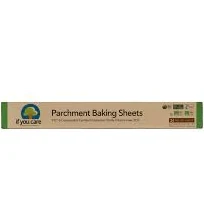
- unbleached paper with silicone coating
- The brand calls it PFAS-free, which we have not verified
- Silicone coating degradation at high heat
- bleached paper with silicone coating
- The brand calls it PFAS-free, which we have not verified
- Paper degradation and fragmentation
More parchment paper & baking liners grades
How we score, every product runs through the same public 0-100 rubric based on materials, coatings, brand disclosure, lab findings, and recalls. See the full methodology → Spotted a mistake? Report an error.