
GreenPan · Parchment Paper & Baking Liners
GreenPan Silicone Wide Tongs
Minimal PFAS risk from silicone and stainless steel construction.
These silicone and stainless steel tongs skip the nonstick coating that typically carries PFAS risk. You're looking at bare materials with no Teflon-family coating treatment.
We flunk more products than we pass. This one earned its grade. How we grade
Material
silicone handles, stainless steel tongs
Lab data
No public lab test
You may also be interested in
Top-graded picks in the categories readers replace first, every one scored on the same rubric.

- polypropylene filter housing, carbon/sediment cartridge
- We found no PFAS statement from the brand
- Bacterial growth in spent cartridges
3 hazards checked on this product, all on its full breakdown.

Aquasure
Premier Series 75 GPD Under Sink Reverse Osmosis Water Filtration System
- RO membrane, carbon filters, stainless steel housing
- We found no PFAS statement from the brand
- Bacterial and microbial growth in housing and filters
4 hazards checked on this product, all on its full breakdown.

Avocado
Vegan Mattress
- organic cotton, natural latex, coconut coir, recycled steel coils
- The brand calls it PFAS-free, which we have not verified
- Heavy metals
2 hazards checked on this product, all on its full breakdown.
What GreenPan Silicone Wide Tongs is made of, ingredients and materials
These tongs pair food-grade silicone handles with stainless steel gripping heads. Silicone is a synthetic polymer that does not leach the way plastics with BPA or phthalates can, and it remains stable across typical kitchen temperature ranges (up to 400-500°F depending on grade). Stainless steel (likely 18/8 or similar food-grade alloy) is chemically inert and does not degrade under normal cooking use. The two-material design avoids the ceramic-glazed cookware hazards associated with lead or cadmium in enamel coatings.
What’s concerning
No PFAS disclosure
No public statement from the brand about PFAS in this product.
Category baseline
The starting point for this type of product, before anything specific to this product is counted.
Silicone degradation over time
Food-grade silicone is stable but may gradually soften, discolor, or develop odor after years of use and repeated heating. This is cosmetic and functional rather than a health hazard at typical kitchen temperatures, but signals end-of-life.
Bacterial growth in silicone
Silicone can harbor bacteria in microscopic surface roughness if not cleaned properly or if allowed to remain moist. Regular hand-washing and air-drying mitigate this risk; it is not unique to GreenPan but inherent to the material.
What’s reassuring
Base material not linked to PFAS
The main material recorded for this product is not one associated with PFAS.
Stainless steel leaching
Food-grade stainless steel (18/8 or higher) does not leach measurable nickel, chromium, or iron under normal cooking conditions. No documented safety concerns exist for this product class at typical kitchen use.
Coating or joint degradation
Tongs have no ceramic enamel, glaze, or nonstick coating to chip or degrade. Stainless steel and silicone do not separate or flake under normal use, reducing food-contact contamination risk.
Heat transfer to handles during cooking
Silicone is an insulator and resists heat conduction up the handle during normal stovetop use. Handles remain cool or warm rather than hot, reducing burn risk compared to metal-only designs.
How is this PFAS grade calculated?
The brand's record and disclosure
GreenPan is a cookware-focused brand known for marketing nonstick coatings as PFOA-free and emphasizing non-stick alternatives with lower PFAS concern. However, the brand has not published detailed material safety sheets or third-party testing results for this specific tongs product in widely accessible sources. GreenPan does not maintain a public stance on silicone sourcing, purity standards, or independent verification of food-grade claims for handles. This silence does not indicate a problem, but transparency is limited compared to certifications (e.g., FDA food-contact approval) that would strengthen confidence.
How it compares in its category
Silicone-handled tongs show lower concern among cookware accessories. They avoid metal handles that conduct heat poorly and ceramic-coated tongs that can chip and expose underlying materials. Compared to wooden or bamboo alternatives, silicone resists warping, retains shape over years, and does not harbor bacteria in grain. GreenPan's stainless steel construction is standard and reliable; the pairing is conventional in mid-range cookware tool lines and generally considered a low-risk combination.
If you buy it
Hand-wash rather than dishwasher to extend silicone durability and avoid prolonged heat exposure in high-temperature cycles. Do not expose handles to direct flame or temperatures above the manufacturer's stated limit (typically 400-500°F); use silicone handles for serving and stirring, not resting directly on active burners. Replace tongs if silicone becomes sticky, discolored, or develops an odor, which may signal degradation. Store in a cool, dry place to slow any long-term silicone aging.
What is not known about PFAS in this product?
- Basis
- Model estimate, 82% confidence, not a lab result
- Lab test
- None on record for this exact product
- Brand statement
- GreenPan has made a specific claim
Formulations change between production runs, so check the current label. How we grade.
What are the PFAS-free alternatives to GreenPan Silicone Wide Tongs?
- silicone-coated parchment paper
- The brand calls it PFAS-free, which we have not verified
- Paper degradation and particulate shedding
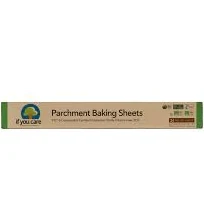
- unbleached paper with silicone coating
- The brand calls it PFAS-free, which we have not verified
- Silicone coating degradation at high heat
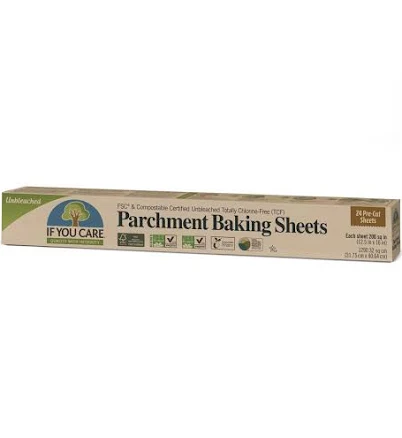
- bleached paper with silicone coating
- The brand calls it PFAS-free, which we have not verified
- Paper degradation and fragmentation
More parchment paper & baking liners grades
How we score, every product runs through the same public 0-100 rubric based on materials, coatings, brand disclosure, lab findings, and recalls. See the full methodology → Spotted a mistake? Report an error.