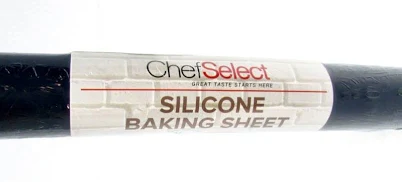
Hamilton Beach Silicone Baking Sheet, Is It Non-Toxic?
Lower-concern baking sheet made from silicone, a material not linked to PFAS.
Material as recorded is silicone, which is not a material linked to PFAS. Hamilton Beach has no PFAS statement on record for this product. No water-repellent finish or coating on record.
The better-graded swap
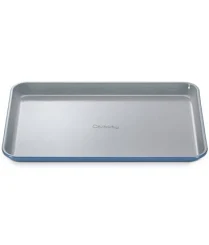
Caraway
Caraway Nonstick Ceramic Medium Baking Sheet
100/100 safety
Same rubric that flunked this product. The swap earned Excellent.
Still want this one anyway? Check the price on Amazon. We’d swap it.
Material
Silicone
Brand disclosure
Brand is silent on PFAS
Lab data
No public lab test
You may also be interested in
Top-graded picks in the categories readers replace first, every one scored on the same rubric.

- polypropylene filter housing, carbon/sediment cartridge
- We found no PFAS statement from the brand
- Bacterial growth in spent cartridges
3 hazards checked on this product, all on its full breakdown.

Aquasure
Premier Series 75 GPD Under Sink Reverse Osmosis Water Filtration System
- RO membrane, carbon filters, stainless steel housing
- We found no PFAS statement from the brand
- Bacterial and microbial growth in housing and filters
4 hazards checked on this product, all on its full breakdown.

Avocado
Vegan Mattress
- organic cotton, natural latex, coconut coir, recycled steel coils
- The brand calls it PFAS-free, which we have not verified
- Heavy metals
2 hazards checked on this product, all on its full breakdown.
Is Hamilton Beach Silicone Baking Sheet non-toxic? What it is made of
This product is made from food-grade silicone, a synthetic rubber polymer that is chemically stable at typical baking temperatures (up to 500-600°F depending on formulation). Silicone does not leach harmful chemicals like BPA, phthalates, or Teflon-type coating compounds during normal use. Unlike non-stick coatings on metal cookware, silicone's monolithic structure means there is no coating that can degrade, flake, or release fumes when heated.
What’s concerning
Category baseline
The starting point for this type of product, before anything specific to this product is counted.
No PFAS disclosure
No public statement from the brand about PFAS in this product.
Silicone degradation at extreme temperatures
While food-grade silicone is stable to stated limits (usually 500-600°F), prolonged exposure above manufacturer guidance or repeated thermal cycling may cause polymer breakdown. This is a longevity issue rather than an acute chemical hazard, but degraded silicone should be discarded.
Mold or bacterial growth in crevices
If the baking sheet develops tears or creases where moisture accumulates, mold growth is theoretically possible. This is a maintenance issue, not a manufacturing defect, and occurs only if sheets are stored damp.
What’s reassuring
Base material not linked to PFAS
The main material recorded for this product is not one associated with PFAS.
Uncertified or non-food-grade silicone components
Hamilton Beach silicone baking sheets are not documented to use non-food-grade materials, but the brand does not provide public third-party certification (e.g., FDA compliance letter or NSF mark). Absence of documentation is not evidence of a problem in this case.
Allergen or fragrance sensitivity from additives
Food-grade silicone does not typically contain fragrance, dyes, or common allergens. No adverse reaction reports exist for Hamilton Beach silicone bakeware.
How is this PFAS grade calculated?
The brand's record and disclosure
Hamilton Beach does not publicly disclose detailed material sourcing or third-party safety certifications for this specific baking sheet model. The brand has no documented recalls or safety warnings related to silicone bakeware in FDA or CPSC databases. Hamilton Beach maintains silent positioning on PFAS despite some competitors offering explicit PFAS-free claims; absence of claims does not indicate a problem, only lack of proactive marketing.
How it compares in its category
Silicone baking sheets present lower concern than traditional metal baking sheets with non-stick coatings, which may contain Teflon-type coating or other fluorinated compounds. They are also preferable to some lower-quality silicone products without food-grade certification. Hamilton Beach silicone sheets fall into the mainstream commercial-grade tier, with no performance or safety advantage over other reputable brands (OXO, Pyrex, Rachael Ray) in this category.
If you buy it
Do not exceed the manufacturer's recommended heat temperature, typically 500-600°F, as excessive heat may degrade silicone structure over time. Hand wash or use mild dishwasher cycles; abrasive scrubbing or bleach exposure is unnecessary and can reduce lifespan. Replace the sheet if you notice visible tears, permanent discoloration, or loss of non-stick properties (typically after 2-5 years of regular use). Store flat or loosely rolled to prevent permanent creasing.
What is not known about PFAS in this product?
- Basis
- Model estimate, 78% confidence, not a lab result
- Lab test
- None on record for this exact product
- Brand statement
- Hamilton Beach has made none
Formulations change between production runs, so check the current label. How we grade.
What are the PFAS-free alternatives to Hamilton Beach Silicone Baking Sheet?
- ceramic nonstick coating
- A third party reports verifying it as PFAS-free
- Ceramic coating degradation over time
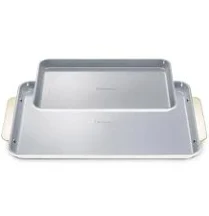
- ceramic nonstick coating
- A third party reports verifying it as PFAS-free
- Coating degradation and durability
2 hazards checked on this product, all on its full breakdown.
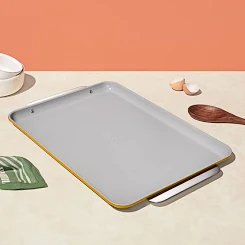
- ceramic nonstick coating
- The brand calls it PFAS-free, which we have not verified
- Ceramic coating degradation and particle shedding
3 hazards checked on this product, all on its full breakdown.
More bakeware grades
How we score, every product runs through the same public 0-100 rubric based on materials, coatings, brand disclosure, lab findings, and recalls. See the full methodology → Spotted a mistake? Report an error.