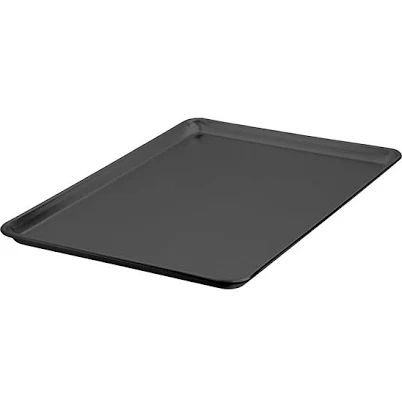
LloydPans Full Size Aluminum Sheet Pan, Is It Non-Toxic?
Lower concern, bare aluminum sheet pan has no nonstick coating.
LloydPans Full Size Aluminum Sheet Pans are bare aluminum with no nonstick surface. No coating means no place for PFAS Teflon-family coating to hide.
The better-graded swap
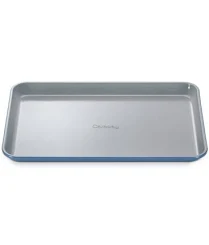
Caraway
Caraway Nonstick Ceramic Medium Baking Sheet
100/100 safety
Same rubric that flunked this product. The swap earned Excellent.
Still want this one anyway? Check the price on Amazon. We’d swap it.
Material
aluminum sheet (uncoated)
Brand disclosure
Brand is silent on PFAS
Lab data
No public lab test
You may also be interested in
Top-graded picks in the categories readers replace first, every one scored on the same rubric.

- polypropylene filter housing, carbon/sediment cartridge
- We found no PFAS statement from the brand
- Bacterial growth in spent cartridges
3 hazards checked on this product, all on its full breakdown.

Aquasure
Premier Series 75 GPD Under Sink Reverse Osmosis Water Filtration System
- RO membrane, carbon filters, stainless steel housing
- We found no PFAS statement from the brand
- Bacterial and microbial growth in housing and filters
4 hazards checked on this product, all on its full breakdown.

Avocado
Vegan Mattress
- organic cotton, natural latex, coconut coir, recycled steel coils
- The brand calls it PFAS-free, which we have not verified
- Heavy metals
2 hazards checked on this product, all on its full breakdown.
Is LloydPans Full Size Aluminum Sheet Pan non-toxic? What it is made of
LloydPans Full Size Aluminum Sheet Pan is bare, uncoated aluminum, which means no nonstick polymers or ceramic glazes that could degrade or leach. Aluminum at normal baking temperatures (up to 500F) does not off-gas or release fumes. The material is food-grade and lightweight; aluminum itself is not classified as a heavy metal of concern in cookware use. The lack of coating eliminates the entire category of polymer-related hazards common to nonstick and enameled pans.
What’s concerning
Category baseline
The starting point for this type of product, before anything specific to this product is counted.
No PFAS disclosure
No public statement from the brand about PFAS in this product.
Aluminum leaching under acidic conditions
Uncoated aluminum can leach small amounts of aluminum into acidic foods (pH below 5.5) such as tomato sauce or citrus. This is a known behavior of bare aluminum; the clinical significance of dietary aluminum exposure remains debated, but individuals concerned about aluminum intake should limit prolonged storage or cooking of acidic foods in this pan.
Surface oxidation and pitting corrosion
Aluminum naturally oxidizes when exposed to air and water. Dishwasher cycles, alkaline detergents, and hard water accelerate pitting. While oxidation itself is not toxic, severe pitting can create microscopic crevices that trap microbes or food residue; hand-washing and proper drying prevent this progression.
Heat warping at extreme temperatures
Aluminum has a lower melting point than steel and can warp if exposed to direct flame, broiler extremes, or thermal shock (cold pan into hot oven). Warped pans may not sit flat and create uneven baking; this is a performance rather than safety issue but can reduce product lifespan.
What’s reassuring
Base material not linked to PFAS
The main material recorded for this product is not one associated with PFAS.
Lack of nonstick coating and food adhesion
This is a material property, not a hazard. Bare aluminum has no nonstick surface, so foods may stick; this requires oiling or parchment paper use. No chemical risk is associated with this characteristic.
Coating degradation risk
Because this pan is uncoated, there is no polymer, ceramic, or ceramic-hybrid layer to chip, degrade, or release particles. This eliminates a major hazard class present in nonstick and enameled alternatives.
How is this PFAS grade calculated?
The brand's record and disclosure
Lloyd Pans (note, brand name spelling varies; LloydPans is the direct supplier) maintains minimal public disclosure about materials testing or certifications. The company does not advertise PFAS avoidance or publish third-party safety testing results. No major recalls or contamination incidents are on record for this product line. The brand's silence on chemical standards is typical for industrial-grade aluminum cookware makers and does not indicate a safety failure.
How it compares in its category
Uncoated aluminum sheet pans are the baseline reference for the category. They avoid the coating-degradation risks present in nonstick (Teflon-type coating/PFOA concerns) and ceramic-enameled pans (lead/cadmium in glazes, chipping). Compared to stainless steel alternatives, aluminum conducts heat more efficiently and costs less, though it requires hand-washing and cannot go in dishwashers without pitting. This product sits in a lower concern material profile for commercial and home baking use.
If you buy it
Hand-wash only; dishwasher use accelerates oxidation and pitting, which can roughen the surface and potentially trap food debris. Do not use steel wool or abrasive cleaners; soapy water and a soft sponge suffice. Avoid prolonged contact with acidic foods (tomato, citrus, vinegar), which can etch the aluminum slightly over time. Replace if pitting becomes severe or warping occurs; expect 10+ years of normal use with proper care.
What is not known about PFAS in this product?
- Basis
- Model estimate, 87% confidence, not a lab result
- Lab test
- None on record for this exact product
- Brand statement
- LloydPans has made none
Formulations change between production runs, so check the current label. How we grade.
What are the PFAS-free alternatives to LloydPans Full Size Aluminum Sheet Pan?
- ceramic nonstick coating
- A third party reports verifying it as PFAS-free
- Ceramic coating degradation over time
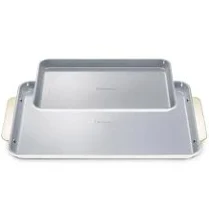
- ceramic nonstick coating
- A third party reports verifying it as PFAS-free
- Coating degradation and durability
2 hazards checked on this product, all on its full breakdown.
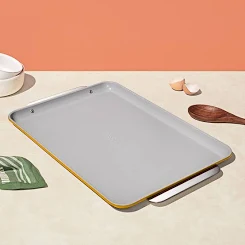
- ceramic nonstick coating
- The brand calls it PFAS-free, which we have not verified
- Ceramic coating degradation and particle shedding
3 hazards checked on this product, all on its full breakdown.
More bakeware grades
How we score, every product runs through the same public 0-100 rubric based on materials, coatings, brand disclosure, lab findings, and recalls. See the full methodology → Spotted a mistake? Report an error.