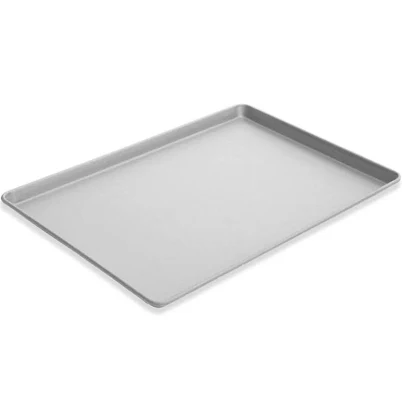
LloydPans Full Size Aluminum Bun / Sheet Pan XABP-18X26X1, Is It Non-Toxic?
Lower concern with uncoated aluminum, no nonstick layer.
This bare aluminum bun pan has no nonstick coating or water-repellent treatment, so it skips the main sources of PFAS found in cookware. The brand hasn't made PFAS claims either way.
The better-graded swap
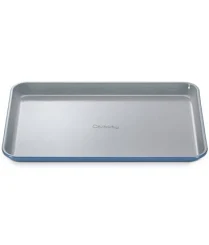
Caraway
Caraway Nonstick Ceramic Medium Baking Sheet
100/100 safety
Same rubric that flunked this product. The swap earned Excellent.
Still want this one anyway? Check the price on Amazon. We’d swap it.
Material
Aluminum sheet pan, uncoated
Brand disclosure
Brand is silent on PFAS
Lab data
No public lab test
You may also be interested in
Top-graded picks in the categories readers replace first, every one scored on the same rubric.

- polypropylene filter housing, carbon/sediment cartridge
- We found no PFAS statement from the brand
- Bacterial growth in spent cartridges
3 hazards checked on this product, all on its full breakdown.

Aquasure
Premier Series 75 GPD Under Sink Reverse Osmosis Water Filtration System
- RO membrane, carbon filters, stainless steel housing
- We found no PFAS statement from the brand
- Bacterial and microbial growth in housing and filters
4 hazards checked on this product, all on its full breakdown.

Avocado
Vegan Mattress
- organic cotton, natural latex, coconut coir, recycled steel coils
- The brand calls it PFAS-free, which we have not verified
- Heavy metals
2 hazards checked on this product, all on its full breakdown.
Is LloydPans Full Size Pan XABP-18X26X1 non-toxic? What it is made of
This is bare aluminum sheet metal with no coating, enamel, or nonstick layer. Uncoated aluminum can leach small amounts of the metal into acidic foods (tomatoes, citrus, vinegar) during baking, though the FDA considers this acceptable for food contact. The thickness and commercial-grade construction of LloydPans products suggests durability and even heat distribution, which are the primary design benefits of aluminum sheet pans.
What’s concerning
Category baseline
The starting point for this type of product, before anything specific to this product is counted.
No PFAS disclosure
No public statement from the brand about PFAS in this product.
Aluminum leaching into acidic foods
Uncoated aluminum can transfer small amounts of the metal to acidic foods such as tomatoes, citrus-based batters, or vinegar-containing doughs. The FDA permits this use, and typical exposure from bakeware is considered minimal; however, individuals sensitive to aluminum or with kidney conditions may wish to limit exposure by using parchment paper barriers.
Surface oxidation and corrosion
Without protective coating, bare aluminum oxidizes over time, especially if not dried immediately after washing. While aluminum oxide itself is non-toxic, advanced corrosion can create rough or pitted surfaces that trap food residue and become harder to clean; this degrades the pan's usability rather than creating a direct chemical hazard.
What’s reassuring
Base material not linked to PFAS
The main material recorded for this product is not one associated with PFAS.
Coating degradation
This product has no applied coating to degrade. The uncoated design eliminates the risk of peeling paint, enamel flaking, or nonstick layer degradation that affects coated alternatives.
Teflon-type coating/nonstick fume risk
Because this is uncoated aluminum with no nonstick layer, there is no Teflon-type coating or PFOA present and no risk of nonstick coating breakdown releasing fumes at typical baking temperatures.
Lead
No ceramic glaze, enamel, or painted coating is present on this product, eliminating the pathway for lead or cadmium contamination from decorative or protective finishes.
Source, ATSDR ↗How is this PFAS grade calculated?
The brand's record and disclosure
LloydPans is a commercial bakeware manufacturer with no publicly documented safety violations, recalls, or formal certifications from third-party organizations. The brand does not appear to issue detailed material safety disclosures or sustainability statements, which is typical of commercial foodservice suppliers rather than consumer-facing brands. No established controversies or reported manufacturing issues exist in public records.
How it compares in its category
Uncoated aluminum sheet pans are a standard, cost-effective option and represent the baseline of commercial kitchen equipment. They are cheaper and more chemically inert than nonstick-coated alternatives (which carry Teflon-type coating/PFOA concerns) but require more careful handling to avoid oxidation and potential staining. This product sits squarely in the traditional category without premium features or coatings that introduce additional chemical risk.
If you buy it
Hand wash promptly after use and dry completely to prevent oxidation and pitting. Avoid prolonged contact with acidic batters or foods; use parchment paper as a barrier for highly acidic items. Do not use abrasive scrubbers that damage the surface; soft sponges and mild soap are sufficient. Store in a dry place and replace if pitting or deep corrosion develops, as this can affect performance and create rough edges.
What is not known about PFAS in this product?
- Basis
- Model estimate, 85% confidence, not a lab result
- Lab test
- None on record for this exact product
- Brand statement
- LloydPans has made none
Formulations change between production runs, so check the current label. How we grade.
What are the PFAS-free alternatives to LloydPans Full Size Aluminum Bun / Sheet Pan XABP-18X26X1?
- ceramic nonstick coating
- A third party reports verifying it as PFAS-free
- Ceramic coating degradation over time
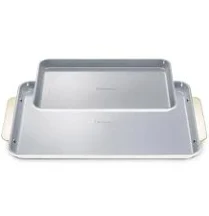
- ceramic nonstick coating
- A third party reports verifying it as PFAS-free
- Coating degradation and durability
2 hazards checked on this product, all on its full breakdown.
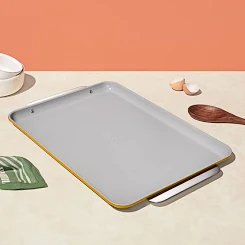
- ceramic nonstick coating
- The brand calls it PFAS-free, which we have not verified
- Ceramic coating degradation and particle shedding
3 hazards checked on this product, all on its full breakdown.
More bakeware grades
How we score, every product runs through the same public 0-100 rubric based on materials, coatings, brand disclosure, lab findings, and recalls. See the full methodology → Spotted a mistake? Report an error.