Heimplanet · Camping Tents & Tarps
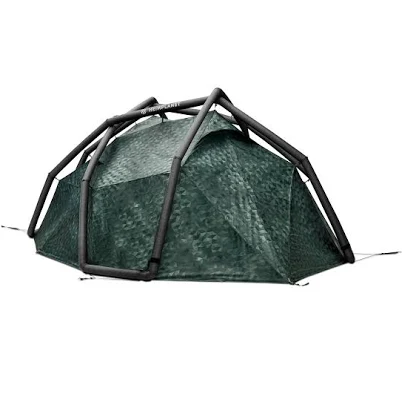
HEIMPLANET Backdoor Cairo Camo Tent
Skip until Heimplanet reveals water-repellent coating chemistry or pursues third-party verification.
Heimplanet uses water-repellent coating-coated nylon in this tent but won't say whether the coating contains PFAS or alternatives. No lab testing or PFAS-free claims exist for this model.
Still want this one anyway? Check the price on Amazon. We’d swap it.
Material
Nylon ripstop fabric with water-repellent coating (water-repellent coating) coating
Brand disclosure
Brand is silent on PFAS
Lab data
No public lab test
What HEIMPLANET Backdoor Cairo Camo Tent is made of, ingredients and materials
The Backdoor Cairo uses nylon ripstop fabric, a lightweight polyamide weave standard in budget and mid-range camping tents. The water-repellent coating (water-repellent coating) coating is the critical unknown, manufacturers typically apply fluorochemical or silicone-based treatments to achieve water resistance. Heimplanet has not disclosed which chemistry they use, making it impossible to confirm whether legacy PFAS compounds are present. Nylon itself is chemically stable and does not leach polymers under normal use.
What’s concerning
Category baseline
The starting point for this type of product, before anything specific to this product is counted.
No PFAS disclosure
No public statement from the brand about PFAS in this product.
Waterproof / stain-resistant treatment
Water-repellent coating treatments have historically used PFAS.
PFAS
Heimplanet has not disclosed water-repellent coating chemistry; legacy fluorochemical treatments are standard in this price segment. PFOA, PFOS, or GenX-class compounds may be present in the coating but are not expected to leach significantly into food or skin under normal camping conditions.
Source, ATSDR ↗Coating degradation and microparticle shedding
Over 5-10 years, nylon ripstop water-repellent coating coatings can flake or peel, especially if exposed to UV or abrasive washing. Shed coating particles are not documented as a health hazard, but broken coatings lose water repellency and may require tent replacement.
Mold and bacterial growth in fabric if stored damp
Nylon itself does not promote mold, but if the tent is packed or stored wet, fungal growth can occur. This is a user-maintenance hazard, not a material defect; proper drying before storage eliminates risk.
What’s reassuring
Formaldehyde / VOCs
No recalls or complaints specific to the Backdoor Cairo involve formaldehyde or dye toxicity. Nylon ripstop from reputable suppliers (Heimplanet's assumed sourcing) typically undergoes standard finishes without excess formaldehyde.
Source, ATSDR ↗Aluminum poles and anodizing corrosion
The Backdoor uses aluminum inflation frame; anodized aluminum is stable and does not leach under normal outdoor conditions. Corrosion is a structural durability issue, not a health hazard.
The full breakdown
The brand's record and disclosure
Heimplanet is a German outdoor brand with a reputation for innovation (inflation-frame tents) but minimal public transparency on material sourcing or chemical safety. No third-party certifications (e.g., bluesign, Cradle to Cradle, OEKO-TEX) are advertised for this model. The company has not published a commitment to phasing out PFAS or a material disclosure statement. Industry observers note the brand's silence contrasts with competitors like Big Agnes and MSR, which increasingly specify PFAS-free water-repellent coating options or acknowledge fluorochemical use.
How it compares in its category
Budget nylon ripstop tents in the GBP 200-400 range typically default to legacy fluorochemical water-repellent coating unless explicitly marketed otherwise. Premium competitors (REI, Hilleberg) have begun transitioning to fluorine-free coatings. Heimplanet's Backdoor line sits in the mid-market, higher-end aesthetics and durability specs but no visible sustainability or health transparency. This product is average for its price tier on disclosure; the category-wide norm remains murky water-repellent coating chemistry.
If you buy it
Store the tent dry and well-ventilated to prevent mold; do not machine-wash or apply heat above 60°C, as high temperatures may degrade the water-repellent coating. Inspect seams and fabric annually for punctures or coating breakdown; small repairs extend life significantly. If PFAS exposure is a priority concern for your household, contact Heimplanet directly requesting water-repellent coating verification before purchase. Replace the tent if the coating visibly flakes, delaminates, or no longer beads water reliably (typically 5-10 years with normal use).
What we don’t know
- Basis
- Model estimate, 35% confidence, not a lab result
- Lab test
- None on record for this exact product
- Brand statement
- Heimplanet has made none
Formulations change between production runs, so check the current label. How we grade.
More camping tents & tarps grades
How we score, every product runs through the same public 0-100 rubric based on materials, coatings, brand disclosure, lab findings, and recalls. See the full methodology → Spotted a mistake? Report an error.