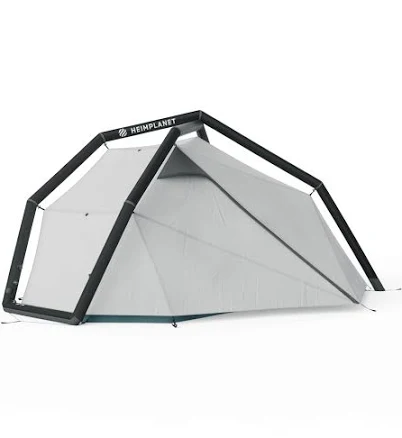
Heimplanet · Camping Tents & Tarps
Heimplanet Classic Fistral Tent
Skip until Heimplanet reveals coating chemistry or certifies PFAS-free.
This nylon ripstop tent has a water-repellent coating waterproof coating, but Heimplanet won't say what's in it or confirm it's PFAS-free. Traditional tent coatings often use PFAS without transparency or testing.
Still want this one anyway? Check the price on Amazon. We’d swap it.
Material
Nylon ripstop fabric with water-repellent coating waterproof coating (type unspecified)
Brand disclosure
Brand is silent on PFAS
Lab data
No public lab test
What Heimplanet Classic Fistral Tent is made of, ingredients and materials
The Fistral uses nylon ripstop fabric, a durable polyamide weave resistant to tearing and puncture. The critical component is the water-repellent coating (water-repellent coating) coating applied to the nylon. Heimplanet has not publicly disclosed whether this coating is fluorine-based (PFAS) or fluorine-free. Standard industry practice for nylon tents has historically relied on fluorinated water-repellent coating treatments, though fluorine-free alternatives are now available.
What’s concerning
Category baseline
The starting point for this type of product, before anything specific to this product is counted.
No PFAS disclosure
No public statement from the brand about PFAS in this product.
Waterproof / stain-resistant treatment
Water-repellent coating treatments have historically used PFAS.
PFAS
Heimplanet has not disclosed coating chemistry. Fluorinated water-repellent coating treatments are standard on nylon tents of this price range and have been the dominant industry practice until very recently. Without confirmation of fluorine-free alternatives, PFAS presence is statistically likely but not confirmed for this specific batch.
Source, ATSDR ↗Nylon degradation and microplastic shedding under UV and mechanical stress
Nylon ripstop degrades over years of UV exposure and flexing, potentially releasing microfibers into surrounding soil and water. This is a minor but documented concern for all synthetic tents in long-term field use, not unique to Heimplanet but relevant if the tent is used frequently or stored in sunlight.
Coating off-gassing and chemical odor on new product
New nylon tents with chemical water-repellent coating treatments often emit a strong chemical odor during the first few weeks of use and storage. This reflects volatile organic compounds (VOCs) from the coating and is typically temporary. Not documented as harmful at normal indoor ventilation, but intensity varies by coating formulation and batch.
What’s reassuring
Lead
Nylon and nylon thread are not typical sources of heavy metal contamination. No recalls or documented lead/cadmium issues in nylon camping tents. This hazard is considered remote for this product category.
Source, ATSDR ↗Adhesive or tape residues if coated seams are used
The Fistral's seam construction details are not publicly detailed. If adhesive-sealed seams are present, low levels of volatile adhesive compounds are possible but are not documented as a safety concern in mainstream tent literature and no specific reports exist for Heimplanet products.
The full breakdown
The brand's record and disclosure
Heimplanet maintains a design-forward brand image but has published no detailed material safety data sheets, ingredient disclosures, or PFAS certifications for the Fistral or other tent lines. The brand has not issued public statements confirming avoidance of PFAS in coatings. No major product recalls or safety controversies are documented for this specific model. The absence of transparency is notable given growing retailer and consumer pressure on the outdoor industry to reduce PFAS in water repellent treatments.
How it compares in its category
Most mid-range nylon tents (Coleman, REI Co-op, some Eureka models) also use unspecified water-repellent coating coatings, creating category-wide uncertainty. However, premium and environmentally marketed brands (Big Agnes, MSR, some Hyperlite lines) have begun publishing PFAS-free or fluorine-free certifications. Heimplanet's silence places it in the opaque middle, neither leading on transparency nor distinctly lagging, but offering no assurance to consumers seeking PFAS avoidance.
If you buy it
Store in a cool, dry location away from direct sunlight to slow any off-gassing from the coating. Do not use heavy heat sources (camp stoves, fire) directly inside or in immediate contact with fabric; nylon can melt or degrade above 100°C. water-repellent coating coatings degrade with washing; avoid frequent machine washing and use gentle hand cleaning or rinse with water only. Inspect seams and coating annually; if coating visibly separates or flakes, consider replacement or professional resealing to maintain water resistance.
What we don’t know
- Basis
- Model estimate, 45% confidence, not a lab result
- Lab test
- None on record for this exact product
- Brand statement
- Heimplanet has made none
Formulations change between production runs, so check the current label. How we grade.
More camping tents & tarps grades
How we score, every product runs through the same public 0-100 rubric based on materials, coatings, brand disclosure, lab findings, and recalls. See the full methodology → Spotted a mistake? Report an error.